
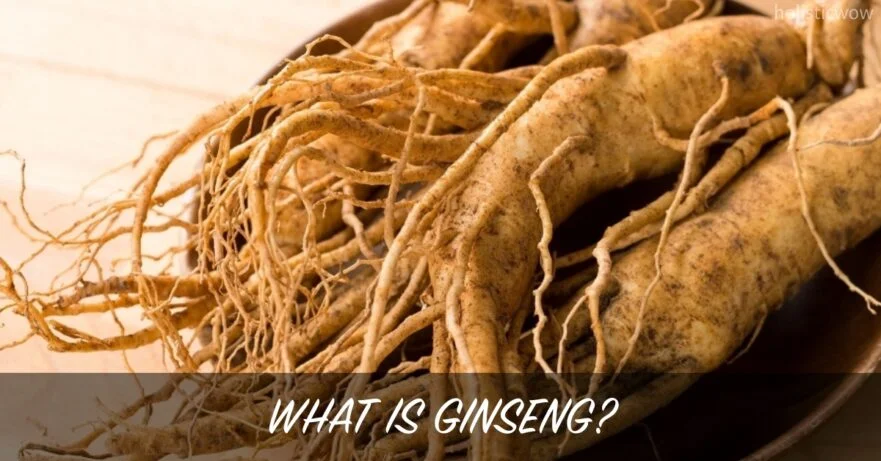
Ginseng is a renowned medicinal herb prized for its ability to boost energy, enhance well-being, and help the body manage stress, making it a cornerstone in both traditional and modern herbal medicine. In this complete herbal guide, you’ll discover what ginseng is, the different types available, and the science-backed benefits that make it such a popular natural remedy worldwide.
Key Takeaways
- 🌱 Natural Energy and Immune Booster: Ginseng is a traditional herbal remedy known for helping boost your energy, support immune health, and sharpen mental focus—ideal for busy days and times you need a little extra stamina.
- ⚖️ Choose the Right Type for You: American ginseng is calming and good for stress, while Asian (Panax) ginseng is more energizing—so you can pick the one that matches your needs, whether that’s relaxation or alertness.
- 💪 Adaptogenic Support for Stress: As an adaptogen, ginseng may help your body cope with both physical and emotional stress, supporting overall resilience and emotional balance.
- ⚠️ Safety and Medication Interactions: Ginseng can sometimes cause side effects like insomnia or upset stomach, and it may interact with medications—so always check with your doctor before starting especially if you take other medicines.
What Is Ginseng?
Ginseng is a medicinal herb derived from the roots of plants in the Panax genus.
It has been used for centuries in traditional medicine across Asia and North America.
The ginseng root contains natural compounds called ginsenosides, which are believed to contribute to its potential health benefits.
These benefits include helping to boost energy, supporting the immune system, and enhancing cognitive function.
Ginseng may also promote vitality and serve as a natural way to increase stamina for those seeking overall wellness.
Today, ginseng is commonly found in herbal supplements and continues to be studied for its possible role in promoting overall wellness.
What Are the Different Types of Ginseng?
There are two main types of ginseng: American ginseng (Panax quinquefolius) and Asian ginseng (Panax ginseng).
Evidence suggests that American ginseng may have milder, more calming effects, while Asian ginseng is considered to have more stimulating properties.
These differences are due to variations in their natural chemical makeup, particularly in their ginsenosides.
Both American and Asian ginseng are used in a variety of ginseng products, and each may provide distinct supportive effects for energy and stress levels.
Your choice between these types can depend on whether you’re interested in calmness or enhanced alertness as a specific health benefit.
What Is the Difference Between American and Panax Ginseng?
American ginseng and Panax ginseng differ significantly in species, chemical composition, and primary effects.
American ginseng is often described as having calming properties and may help promote relaxation, which makes it a preferred option for those managing stress.
In contrast, Panax ginseng tends to have a more stimulating effect and is often used as an energy booster and to support cognitive function, potentially enhancing mental clarity and alertness.
These differences are largely due to variations in their ginsenoside profiles—natural compounds that influence how each type of ginseng acts in the body.
Both are considered adaptogens, meaning they may help the body adapt to physical or mental stress, but they do so in different ways, which can promote either relaxation or increased vitality depending on your personal needs.
How Is Ginseng Cultivated and Harvested?
Ginseng is cultivated in shaded environments to protect its roots and encourage healthy growth and the development of active compounds.
This medicinal herb requires specific conditions for successful cultivation, including rich, well-drained soil, consistent moisture, and protection from direct sunlight.
The ginseng root is typically harvested in the fall, once it has matured—usually after several years of growth—to ensure it contains optimal levels of active compounds valued in Traditional Chinese Medicine.
These careful cultivation and harvesting methods contribute to the robust quality and potency found in premium ginseng supplements, helping to maximize the presence of beneficial compounds for wellness.
What Are the Historical Uses of Ginseng?
Ginseng has a long history in traditional medicine, especially in Asian cultures where it has been used for thousands of years.
Historically, it has been valued for enhancing vitality, improving mental clarity, and supporting overall health, making it a key part of ancient herbal therapy.
As part of the history of medicine, the ginseng legacy continues to influence modern interest in traditional medicine and natural remedies.
Ginseng’s use for sustaining endurance and promoting longevity was central to its early appeal, while today it is also recognized for its potential to support immune resilience and mental alertness.

How Is Ginseng Used in Traditional Medicine?
In traditional medicine, especially in Traditional Chinese Medicine, ginseng is widely used as an adaptogen—a natural substance that may help the body cope with physical, mental, and environmental stress.
It is also commonly included in herbal products to help support energy levels, immune function, and overall well-being, although scientific evidence remains limited for some uses.
Ginseng has also been incorporated into tonics and teas for fatigue relief and mental focus, reflecting its broad acceptance in natural remedies.
What Are the Benefits of Ginseng?
Ginseng is a widely recognized herbal supplement with several potential health benefits that are being studied in scientific research, valued in both traditional medicine and modern wellness practices.
It may act as a natural energy booster, helping to reduce fatigue and improve stamina, which appeals to those seeking to enhance day-to-day performance.
Some studies suggest it could also support cognitive function, including memory and mental clarity, and may assist in focus during demanding tasks.
Ginseng may help strengthen the immune system, with some evidence suggesting immune support that may help the body fight off illness more effectively.
Additionally, it has been linked to stress relief by helping the body better manage physical and mental stress, which can promote emotional balance.
While more research is needed to fully understand all its effects, ginseng continues to be a popular choice for those seeking natural ways to support overall well-being.
How Does Ginseng Support the Immune System?
Ginseng supports the immune system by possibly enhancing the activity of certain immune cells, such as natural killer cells and T-cells, which play a key role in defending the body against infections.
It may also promote antibody production and has natural antioxidant properties, which can help protect immune cells from damage caused by oxidative stress.
These immune support benefits are largely attributed to compounds in ginseng called ginsenosides, which may help regulate immune responses and contribute to overall immune health.
Clinical research suggests that regular use of ginseng may help maintain immune balance and promote quicker recovery from mild respiratory illnesses.
However, more high-quality clinical research is needed to confirm these effects in humans.
What Are the Antioxidant Properties of Ginseng?
Ginseng contains antioxidant properties that may help protect the body from damage caused by free radicals.
These effects are largely due to its unique compounds called ginsenosides.
Ginsenosides may help neutralize free radicals and reduce oxidative stress, which could potentially support overall health and might lower the risk of certain chronic diseases, although these effects have not been conclusively proven in large, well-controlled human studies.
This antioxidant action may also contribute to slowed cellular aging, maintenance of cardiovascular health, and protection of cognitive function.
How Does Ginseng Help with Stress Relief?
Ginseng is considered an adaptogen, which means it may help the body manage and respond to physical and mental stressors more effectively.
Research suggests that ginseng can influence stress hormones like cortisol, and may support emotional balance and contribute to some degree of stress reduction.
By promoting a more balanced stress response, ginseng may support mood, enhance well-being, and offer natural stress relief over time.
Some individuals also use ginseng to help foster resilience during periods of increased demands, supporting both mental and physical endurance.
However, more robust studies are needed to confirm these effects and determine the best dosing strategies.
What Are the Effects of Ginseng on Blood Sugar Levels?
Ginseng may have modest effects on blood sugar regulation.
Research suggests that ginseng extract can slightly improve insulin sensitivity and may help regulate blood sugar levels, which may be especially beneficial for individuals with diabetes.
These potential health benefits make ginseng a possible natural adjunct to healthy blood sugar control, but it should always be used alongside a balanced diet and conventional medical care.
Ginseng may also support metabolic health and help maintain energy levels, which are essential aspects for those managing blood sugar.
Talk to your healthcare provider before using ginseng if you have diabetes or take medications for blood sugar control.
How Does Ginseng Improve Energy and Concentration?
Ginseng may help improve energy by acting as a natural supplement that some people use to try to increase stamina and reduce feelings of fatigue.
It’s also known for the potential to enhance cognitive function, which could improve concentration and mental performance in some individuals, according to preliminary studies.
These effects make ginseng a popular choice for those looking to support both physical endurance and sharper focus throughout the day.
Additionally, as an herbal supplement, ginseng may help alleviate midday sluggishness and contribute to sustained alertness in demanding environments.
However, more human studies are needed, and results can be modest or variable.
What Are the Adaptogenic Properties of Ginseng?
Ginseng is classified as an adaptogen, meaning it may help the body adapt to physical, emotional, and environmental stress.
It is thought to support the body’s stress response mechanisms, possibly including the adrenal glands, and helps maintain internal balance, which can contribute to overall well-being.
As an adaptogen, ginseng may also support immune function and promote stress relief, helping the body stay resilient during challenging times.
These properties may foster a sense of vitality and long-term health, making ginseng a strategic choice to support daily balance.
More research is needed to clarify these mechanisms and their effects in humans.
How Should Ginseng Be Taken for Maximum Benefits?
Ginseng offers the most benefits when taken consistently over time, at the appropriate dosage and in a form that suits your individual needs.
To support overall wellness, it’s important to choose high-quality ginseng products and use them as a dietary supplement according to recommended guidelines.
Taking ginseng regularly and as directed may help you get the most out of its potential effects, though benefits can vary between individuals.
Selecting reputable ginseng supplements can maximize bioavailability, which helps your body absorb and utilize its health-promoting compounds.
For consumer safety, always follow dosage instructions on the label and talk to your healthcare provider before starting any new supplement, especially if you have underlying health conditions or take medications.
What Are the Potential Side Effects of Ginseng?
Ginseng is generally considered safe for most healthy adults when used in moderation for short periods, but like many herbal supplements, it may cause side effects in some people—especially with high doses or long-term use.
Common side effects can include insomnia, headaches, and digestive issues.
These symptoms are usually mild but can be bothersome for some individuals.
To reduce safety concerns, it’s best to use ginseng for short periods and follow recommended dosages.
If you have any underlying health conditions or take medications, talk to your doctor before starting ginseng or any new supplement.
As with all herbal supplements, being informed and cautious can help you enjoy the potential health benefits while minimizing risks.
There are also reports of rare but more serious side effects, such as allergic reactions, so stop taking ginseng and seek medical attention if you experience any severe symptoms.
How Does Ginseng Interact with Other Medications?
Ginseng interacts with certain medications due to its impact on the body’s metabolism and multiple pharmacological effects.
These herb-drug interactions may affect how well some medications work or increase the risk of side effects.
For example, ginseng may interfere with blood thinners like warfarin, potentially reducing their effectiveness.
It may also affect blood sugar levels, which could impact the safety and side effects of diabetes medications.
Ginseng may also interact with medications for depression, blood pressure, and the immune system.
Due to its broad pharmacological activity, ginseng may either enhance or diminish the effects of certain drugs, so it is essential to be vigilant.
Because of its broad pharmacological activity, it’s important to talk with your healthcare provider before using ginseng, especially if you take prescription medications.
This helps support consumer safety and ensures your treatment plan remains effective.
Herbal Preparations and Recipes for Energy and Immune Support
Herbal remedies can help boost energy levels and support the immune system. Ginseng, known for its potential to enhance vitality and cognitive function, is a key ingredient in these preparations. The following recipes utilize ginseng along with other supportive herbs to promote overall wellness.
Always consult a healthcare provider before starting any new herbal regimen, especially if you have existing health conditions or are taking medications.
Energizing Ginseng Tea
Ingredients:
- 1 teaspoon dried ginseng root
- 1 cup boiling water
Preparation:
- Place the dried ginseng root in a teapot or cup.
- Pour boiling water over the ginseng.
- Cover and steep for 10–15 minutes.
- Strain and drink warm.
Drink 1 cup daily to support energy and cognitive function.
This tea may help promote increased vitality, mental clarity, and overall stamina throughout the day.
Warnings: Ginseng may cause insomnia, headache, or increased heart rate in some individuals. Use caution if you have high blood pressure, heart conditions, or if you are pregnant or breastfeeding. Discontinue use and consult your healthcare provider if you experience side effects or plan to use ginseng for more than two consecutive months.
Vitality and Immune Boosting Herbal Blend
Ingredients:
- 1 teaspoon dried ginseng root
- 1 teaspoon dried elderflower
- 1 teaspoon dried peppermint
- 1 teaspoon dried chamomile
- 1 cup boiling water
Preparation:
- Combine all the dried herbs in a teapot or infuser.
- Pour boiling water over the herbs.
- Cover and steep for 10–15 minutes.
- Strain and drink warm.
Drink 1 cup 1–2 times daily to support immune health and overall well-being.
This herbal blend combines the energizing qualities of ginseng and the immune support of elderflower with peppermint for digestive comfort and chamomile for gentle relaxation, making it a balanced choice for daily vitality.
Warnings: Ginseng may interact with certain medications and can cause side effects such as insomnia or increased heart rate. Chamomile may trigger allergic reactions, especially if you are allergic to plants in the daisy family, and may interact with blood thinners. Elderflower and peppermint are generally well tolerated in these amounts but discontinue use if you experience any unusual symptoms. Consult your healthcare provider before use if you are pregnant, breastfeeding, have allergies, or are taking medications for chronic conditions.
These herbal preparations are intended to complement, not replace, conventional care for energy and immune support. Consult a healthcare provider before use, especially if you have health conditions or take medications.
[no_toc]