
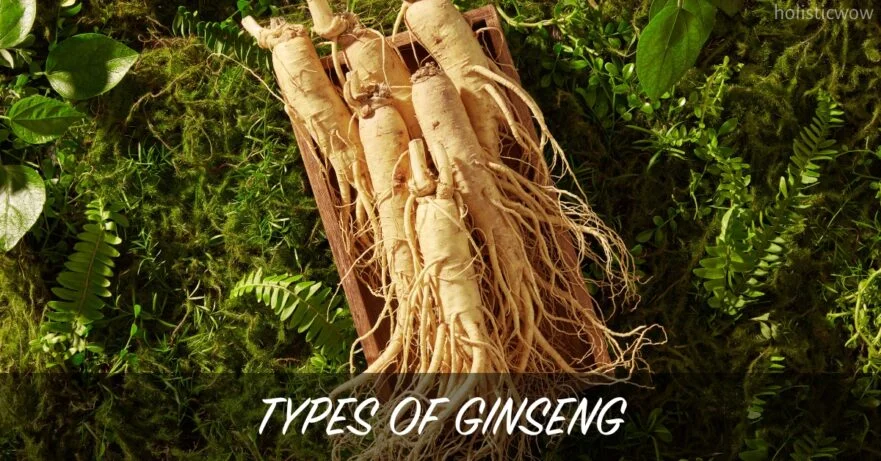
Ginseng is a popular herbal remedy known for boosting energy and resilience to stress, with the three main types—Korean, American, and Siberian ginseng—each offering unique benefits and properties. Understanding the differences between these varieties can help you choose the right ginseng for your health and wellness needs.
Key Takeaways
- 🌱 Different Types, Different Benefits: Korean, American, and Siberian ginseng each offer unique properties—Korean ginseng is energizing, American ginseng is calming, and Siberian ginseng helps with resilience to stress, so you can pick the type that matches your needs.
- ⚡ Natural Energy and Focus: Both Korean and American ginseng may help boost your energy and mental clarity without the jittery effects of caffeine, making them great options for busy days or fighting fatigue.
- 🛡️ Immune and Stress Support: Ginseng’s adaptogenic compounds may support your immune system and help your body cope better with physical and emotional stress, but always check with your doctor before starting supplementation, especially if you have medical conditions.
- 🍵 Safe Use Matters: Herbal teas and supplement blends are convenient ways to enjoy ginseng’s benefits, but always use them as directed and stop use if you experience side effects, as ginseng can interact with some medications and health conditions.
What Are the Main Types of Ginseng?
There are three main types of ginseng used in herbal medicine: Korean ginseng (Panax ginseng), American ginseng (Panax quinquefolius), and Siberian ginseng (Eleutherococcus senticosus).
Each of these types of ginseng has unique properties and potential health benefits, offering different advantages based on their origin and bioactive compounds.
Korean ginseng, also known as Asian ginseng, is native to Korea and northeastern China.
It is often used to support energy, focus, and overall vitality, making it popular for those seeking greater resilience against fatigue.
American ginseng grows in North America, mainly in the United States and parts of Canada, and is generally considered to have a more calming effect compared to Korean ginseng, helping promote relaxation and manage stress.
Siberian ginseng, while commonly grouped with other types of ginseng, is not a true ginseng because it belongs to a different plant genus—Eleutherococcus instead of Panax.
Siberian ginseng does not contain ginsenosides like Korean and American ginseng; instead, it contains compounds called eleutherosides, which are thought to have adaptogenic effects that may help balance the body during periods of physical or mental stress.
Korean ginseng and American ginseng both contain ginsenosides, which are active compounds believed to help the body adapt to stress and support immune function, energy levels, and cognitive performance.
These ginsenosides are being studied for their ability to boost stamina and mental sharpness, along with their potential antioxidant effects.
While studies have shown some health-promoting effects for ginsenosides, more high-quality research is needed to confirm these benefits and determine safe, effective usage.
Siberian ginseng is also valued for its adaptogenic properties and may help the body respond to physical and mental stress.
Although the mechanisms and effectiveness can differ from those of Panax species, Siberian ginseng continues to be a popular herbal supplement in both traditional and modern wellness practices, but more research is needed to clarify its specific benefits and optimal dosing.
Siberian ginseng is often included in energy and immune support formulas for its potential to help sustain vitality and enhance the body’s resilience under stress.

What Is Korean Ginseng (Panax Ginseng)?
Korean ginseng, also known as Panax ginseng or Asian ginseng, is a perennial plant native to Korea and northeastern China.
As a member of the Panax genus, it is recognized in herbal medicine for its adaptogenic properties, which may help boost resistance to stress and fatigue.
Adaptogens are natural substances that may help the body manage stress and support overall balance, making Korean ginseng a valued choice for enhancing resilience.
The root of Korean ginseng is the most valued part and is commonly used in traditional Chinese medicine and other herbal practices to promote general well-being.
Korean ginseng contains two key phytochemicals—ginsenosides and gintonin—that are believed to contribute to many of its potential health benefits, including promoting mental clarity and supporting healthy immune function.
Ginsenosides have been studied for their possible role in supporting the immune system, enhancing energy levels, and promoting cognitive function.
Additionally, these bioactive compounds may provide antioxidant effects that help protect cells from oxidative stress.
While more research is needed, current evidence suggests that Korean ginseng may have beneficial effects on stress adaptation and overall health, but results are mixed and more rigorous trials are necessary to confirm its wide-ranging advantages.
What Are the Health Benefits of Korean Ginseng?
Korean ginseng delivers notable health benefits, primarily due to its active compounds, ginsenosides and gintonin.
These natural components are believed to play a key role in the herb’s effects on the body, including supporting mental alertness and helping regulate immune responses.
This revered herbal supplement is valued for its potential to increase energy levels, making it a favored choice for individuals experiencing physical or mental fatigue and those seeking natural ways to maintain stamina.
By supporting energy metabolism, Korean ginseng may help combat tiredness and enhance physical performance in demanding situations.
While some studies suggest that Korean ginseng may help reduce tiredness and improve stamina, scientific results are inconsistent, and benefits may be modest.
Research also suggests Korean ginseng may help the body recover from exercise and daily stress by modulating hormonal and cellular responses.
It is also known to support cognitive function, including memory and alertness, attracting those in search of natural ways to promote brain health and maintain focus.
Some studies indicate improvement in reaction time and decision-making, which may help enhance productivity and mental clarity.
Preliminary evidence suggests that ginsenosides might help enhance mental performance, particularly in stressful or fatiguing situations, but definitive conclusions cannot yet be drawn.
Korean ginseng is also recognized for its potential to support the immune system.
This may include improved balance in immune cell activity, which could help maintain healthy defenses against common illnesses.
Some research indicates that ginseng may affect immune cell activity, but regular use has not been conclusively proven to help prevent illness, and more studies are needed to confirm these effects.
Thanks to its adaptogenic properties, Korean ginseng may help the body maintain balance during demanding times.
This adaptogen also contains antioxidant and anti-inflammatory compounds, which could help the body manage oxidative stress and inflammation, contributing to overall wellness and healthier aging.
In summary, Korean ginseng may provide a range of health benefits, including support for energy levels, cognitive function, and possibly the immune system and protection against oxidative stress—but these effects are still being studied, and supplementation should be approached cautiously and under medical guidance if you have underlying health conditions.
What Is American Ginseng (Panax Quinquefolius)?
American ginseng (Panax quinquefolius) is a perennial plant native to North America, especially the eastern United States and parts of Canada.
It belongs to the Panax genus, making it a true ginseng species and distinct from Korean ginseng (Panax ginseng) and Siberian ginseng (Eleutherococcus senticosus), which is not a true ginseng.
American ginseng is known for its milder and more calming effects compared to Korean ginseng, which is considered more stimulating.
This gentler action can make it suitable for people with sensitivities or those prone to overstimulation, providing a soothing influence during periods of stress.
These properties may help promote relaxation and reduce stress while still supporting focus and productivity.
At the same time, it may still offer some energy-boosting effects, generally without causing overstimulation, making it a versatile option for both day and nighttime support.
The main active compounds in American ginseng are ginsenosides, a type of plant-based chemical (phytochemical) that may contribute to its potential adaptogenic properties—helping the body adapt to physical or mental stress—and other possible health benefits such as supporting balanced immune responses and healthy blood sugar.
American ginseng is commonly used as a dietary supplement and is being studied for its possible effects on immune support, blood sugar regulation, and cognitive function.
Its adaptogenic actions may help the body recover from challenges and maintain equilibrium in demanding environments.
However, these uses are not FDA-approved and should not replace standard medical care.
What Are the Health Benefits of American Ginseng?
American ginseng (Panax quinquefolius) is known for its potential to support cognitive function and may help improve mental performance and reduce fatigue.
Its calming adaptogenic effects can benefit those seeking greater focus and stress relief during long or challenging days.
These effects can be especially helpful for those looking to enhance focus and mental clarity, potentially improving concentration and sustaining alertness.
It may also help support healthy energy levels.
While its effects are generally milder and less stimulating than Korean ginseng, American ginseng could potentially offer a more balanced boost without overstimulation, helping users feel refreshed rather than jittery.
Some studies suggest it may also promote healthy metabolic balance, making it a comforting choice for daily wellness routines.
This type of ginseng is considered an adaptogen, meaning it may help the body manage stress.
Its adaptogenic properties can potentially promote a sense of relaxation and support the body’s ability to cope with both physical and emotional stressors, reducing the impact of tension and enhancing vitality.
These actions may contribute to an overall sense of well-being and mental resilience.
In addition, American ginseng may support the immune system.
Some research suggests it may help modulate immune responses, supporting a robust and balanced defense system, but there is not enough high-quality evidence to recommend it for the prevention or treatment of disease.
Additional benefits under investigation include enhanced resistance to infections and support for normal inflammation processes.
Overall, the health benefits of American ginseng may include modest support for energy levels, immune system function, and cognitive performance, along with assisting in stress management, but more rigorous research is needed to confirm these effects.
As with all supplements, it is important to discuss usage with your healthcare provider—especially if you take prescription medications or have chronic health problems.
What Is Siberian Ginseng (Eleutherococcus senticosus)?
Siberian ginseng, scientifically known as Eleutherococcus senticosus, is a shrub native to Siberia and parts of northeastern Asia.
Although commonly called “ginseng,” it is not a true ginseng, as it belongs to the Eleutherococcus genus rather than the Panax genus, which includes Korean and American ginseng.
This plant is valued in herbal medicine for its adaptogenic properties, making it a popular option for people aiming to increase physical endurance and build resilience against stress.
Adaptogens are natural substances that may help the body adapt to physical and mental stress and support overall resilience, potentially promoting an increased sense of vitality.
The main active compounds in Siberian ginseng are called eleutherosides, which are chemically distinct from the ginsenosides found in true ginseng varieties but may play a similar role in modulating the body’s stress response and immune defenses.
Siberian ginseng is often used as a natural way to support energy, stamina, and stress management, offering a gentle alternative for those sensitive to stimulants or looking for broader wellness support.
It is also thought to promote overall well-being by supporting healthy function in key systems such as the nervous and immune systems.
Unlike Panax ginseng, there is limited high-quality evidence supporting these uses, and claims should be interpreted with caution.

What Are the Health Benefits of Siberian Ginseng?
Siberian ginseng (Eleutherococcus senticosus) is valued for supporting stamina, immune health, and mental clarity.
Its main active compounds, eleutherosides, are recognized for their potential adaptogenic properties, which may help the body respond to physical and mental stress more effectively, though more evidence is needed for conclusive recommendations.
Adaptogens like Siberian ginseng may help the body manage stress and maintain balance, supporting overall well-being and resilience during demanding situations.
Siberian ginseng’s potential to promote natural vitality and bolster the immune response makes it a common ingredient for those seeking non-stimulant energy support.
Research suggests that the potential health benefits of Siberian ginseng include:
- Supporting increased physical performance and endurance, making it of interest to athletes and active adults
- Helping to bolster immune system function and potentially aiding resistance to frequent minor illnesses
- Enhancing natural energy levels without causing overstimulation, contributing to greater stamina in everyday tasks
- Possible reduction in feelings of fatigue, but scientific evidence is limited
- May help improve the body’s resilience during periods of stress, but clinical trials are lacking and effects may not be significant
While more research is needed to fully understand all of its effects, Siberian ginseng shows some promise as an adaptogen, but its health benefits are not conclusively proven in large clinical trials, and it should not be relied upon for treatment of medical conditions.
It may, however, offer complementary support for those aiming to optimize their wellness during high-pressure or physically demanding times.
What Are the Differences Between True Ginsengs and Siberian Ginseng?
True ginsengs include Korean ginseng (Panax ginseng) and American ginseng (Panax quinquefolius), both of which belong to the Panax genus.
These plants are known for their active compounds called ginsenosides, which are believed to support energy, immune function, and stress response, with well-researched adaptogenic benefits.
Siberian ginseng (Eleutherococcus senticosus), on the other hand, is not a true ginseng.
It comes from a different plant family—the Eleutherococcus genus—and contains eleutherosides instead of ginsenosides.
While Siberian ginseng is considered an adaptogen, its effects and potency are different and may be less established than those of true ginsengs, due to their differing active compounds and the limited amount of research supporting its use for enhancing vitality and immune function.
Overall, the main differences between true ginsengs and Siberian ginseng lie in their botanical classification and the types of active ingredients they contain, which can lead to varying health effects.
Only Panax species contain ginsenosides, while Eleutherococcus species contain eleutherosides, affecting their pharmacological properties and potential uses, including how each supports stress adaptation and immune balance.
How Do the Adaptogenic Properties of Ginseng Work?
Ginseng displays adaptogenic properties by helping the body adapt to physical and mental stress and maintain internal balance.
This includes supporting a healthy stress hormone response and promoting efficient restoration after challenging events.
The main active compounds in true ginsengs, called ginsenosides, are believed to influence the body’s stress response system, but the exact mechanisms are not yet fully understood.
These compounds may help promote homeostasis, which means they may assist the body in maintaining stability during challenges like mental strain or physical exertion.
There is growing interest in how adaptogens like ginseng can help protect against the negative effects of chronic stress, potentially improving quality of life.
Adaptogens like ginseng work by supporting key body systems, especially those involved in how the body reacts to stress, but clinical evidence for these effects is still developing and further research is required to clarify their true impact on resilience and well-being.
How Does Ginseng Affect Energy Levels and Cognitive Function?
Ginseng may help support energy levels by improving blood circulation and enhancing the body’s ability to manage fatigue, making it a popular supplement for those needing sustained stamina throughout the day.
Its potential to replenish energy and promote endurance has made it an attractive option for athletes and busy professionals alike.
This effect is primarily linked to its active compounds, called ginsenosides, which are found in both Korean ginseng (Panax ginseng) and American ginseng (Panax quinquefolius).
These compounds may contribute to a modest improvement in energy and reduction in fatigue, but do not typically cause overstimulation, allowing for a smoother energy boost compared to stimulants like caffeine.
When it comes to cognitive function, ginseng may support brain health by promoting mental clarity, focus, and memory, which can be valuable for learning or work-related demands.
Ginsenosides are also being researched for their ability to enhance attention and support neuroprotection, helping preserve cognitive performance over time.
Some research suggests that ginsenosides may have neuroprotective properties and could help support aspects of mental performance, though results in clinical studies are mixed and not always statistically significant.
Both Korean and American ginseng are commonly used for their potential to enhance mental performance and overall cognitive well-being, but their effects are likely to be mild rather than dramatic.
How Is Ginseng Cultivated and Used as a Dietary Supplement?
Ginseng is cultivated in shaded, well-drained soils using controlled farming practices, which is essential for producing roots rich in health-promoting phytochemicals.
Growers plant ginseng seeds or roots in areas rich in organic matter and with limited direct sunlight, often recreating a forest-like environment using artificial shading to optimize growth conditions and potentiate the final product.
Ginseng grows slowly and is typically harvested after 4 to 6 years.
This longer growth period allows the roots to mature and develop higher concentrations of active compounds such as ginsenosides (in Panax ginseng and Panax quinquefolius) or eleutherosides (in Eleutherococcus senticosus, also known as Siberian ginseng)—both of which are investigated for their potential health benefits, though more research is still needed regarding optimal dosages and effects.
After harvesting, the roots go through several processing steps: cleaning, air-drying or steaming (steaming produces red ginseng), and further processing such as grinding, slicing, or extracting, depending on how the product will be used.
Careful processing helps preserve the natural activity of the compounds and ensures consistent potency for use in herbal medicine.
Ginseng is commonly used in herbal medicine and is available as a dietary supplement in several forms, including capsules, powders, liquid extracts, herbal teas, and tinctures.
These forms help ensure consistent potency when manufactured with quality controls and may support wellness as part of a balanced lifestyle, but products are not FDA-approved for disease treatment or prevention.
Ginseng supplements are popular for promoting daily vitality and holistic health support, catering to a wide range of wellness goals.
Herbal Preparations and Recipes for Energy and Stress Management
Herbal remedies can support energy levels and help manage stress by harnessing the natural properties of well-known plants. Ginseng, in particular, is valued for its adaptogenic abilities, helping to enhance resilience against fatigue and promote balanced vitality. The following recipes utilize ginseng and other supportive herbs to help maintain energy and encourage stress relief.
Always consult a healthcare provider before starting any new herbal regimen, especially if you have existing health conditions or are taking medications.
Energizing Ginseng Tea
Ingredients:
- 1 teaspoon dried Korean ginseng root
- 1 cup boiling water
Preparation:
- Place the dried ginseng root in a teapot or cup.
- Pour boiling water over the ginseng.
- Cover and steep for 10–15 minutes.
- Strain and drink warm.
Drink 1–2 cups daily, preferably in the morning or early afternoon to avoid interfering with sleep.
This simple tea draws on the energy-boosting qualities of Korean ginseng and may help improve alertness, combat mild fatigue, and support stamina during demanding days.
Warnings: Ginseng may interact with certain medications, including blood thinners and diabetes medications. It can also cause side effects such as insomnia, nervousness, headache, or digestive upset in some individuals. Avoid use in people with uncontrolled high blood pressure or during pregnancy unless directed by a healthcare provider. Discontinue if adverse effects occur.
Revitalizing Ginseng and Herbal Blend
Ingredients:
- 1 teaspoon dried Korean ginseng root
- ½ teaspoon dried lemon balm
- ½ teaspoon dried chamomile
- ½ teaspoon dried peppermint
- 1 cup boiling water
Preparation:
- Combine all the dried herbs in a teapot or cup.
- Pour boiling water over the herbs.
- Cover and steep for 10–15 minutes.
- Strain and drink warm.
Drink 1 cup 1–2 times daily, either in the morning, midday, or early afternoon.
This balanced blend combines the energizing effects of ginseng with the relaxing influence of lemon balm and chamomile, plus the refreshing taste of peppermint. It is designed to help maintain focus while gently easing occasional stress and promoting a sense of well-being.
Warnings: Ginseng may interact with certain medications, including blood thinners and diabetes medications, and can occasionally cause insomnia or agitation. Lemon balm and chamomile may cause drowsiness and are not recommended before operating heavy machinery or driving; they may also worsen symptoms in people with allergies to plants in the mint or daisy families. Peppermint can worsen acid reflux in sensitive individuals. Consult a healthcare provider before use if you are pregnant, breastfeeding, have ongoing health conditions, or take medications for chronic illnesses.
These herbal preparations are intended to complement, not replace, conventional care for energy and stress management. Consult your healthcare provider before use, especially if you have health conditions or take prescription medications.
[no_toc]