

Ginseng is a popular herbal remedy known for its wide range of health benefits, including boosting the immune system, supporting mental and physical performance, and helping regulate blood sugar—but while many people turn to it for natural wellness, it’s important to be aware of its potential side effects and interactions with other medications.
Key Takeaways
- 🛡️ Immune System Support: Ginseng may help your body fight off colds and infections by making your immune system stronger, especially during cold and flu season.
- 🧘 Natural Energy and Stress Relief: This root is known to boost energy, reduce fatigue, and help you handle everyday stress better, which can be valuable for busy households.
- 🩸 Blood Sugar Balance: Ginseng may aid in controlling blood sugar levels, but if you have diabetes or are taking medications, talk to your doctor before using it to avoid possible health risks.
- ⚠️ Safe Use and Precautions: While generally safe for most adults, ginseng can interact with certain medications and cause mild side effects—always consult your healthcare provider before starting, and avoid use if you’re pregnant, breastfeeding, or have specific health conditions.
What Are the Health Benefits of Ginseng?
Ginseng is recognized for its wide range of health benefits that can support the body in multiple ways.
It is commonly known to help boost the immune system, potentially enhancing the immune response to vaccines and helping the body fight infections.
By supporting immune defense, ginseng may also help reduce the severity and frequency of colds, offering enhanced immune resilience during cold and flu season, although evidence varies and more research is needed.
Ginseng may also support blood sugar regulation, especially in people with type 2 diabetes, by potentially improving insulin sensitivity and glucose control.
The active compounds in ginseng, called ginsenosides, may facilitate more stable blood glucose levels, which is particularly important for those with metabolic concerns.
These effects may offer improved glycemic balance for individuals, but ginseng should not be used as a substitute for prescribed diabetes medications.
As an adaptogen, ginseng helps the body cope with physical and mental stress, supporting the body’s resistance to fatigue.
It is often used for energy support, to improve endurance, and to enhance mental clarity, while also helping to maintain focus during stressful periods.
Many people take ginseng as a dietary supplement to promote overall well-being and reduce fatigue, benefiting from its ability to help combat everyday exhaustion and support cognitive sharpness, though individual results can vary.
Ginseng contains antioxidants, which help combat oxidative stress and may lower the risk of chronic diseases.
Its antioxidant activity helps protect healthy cells and may contribute to slowing age-related cellular damage.
It also has anti-inflammatory properties that could benefit individuals with conditions linked to chronic inflammation, supporting a healthier inflammatory response.
In addition, ginseng may support sexual health and help reduce menopausal symptoms, offering further benefits for overall quality of life, such as improved libido and relief from hot flashes.
Overall, ginseng offers a variety of health benefits, including immune system support, blood sugar regulation, energy support, stress reduction, and protection against inflammation and oxidative stress.
What Are the Uses of Ginseng in Traditional Medicine?
Ginseng is widely used in herbal medicine, especially in Traditional Chinese Medicine and various folk medicine practices, for a range of health concerns.
Its most recognized traditional uses include supporting the immune system, increasing energy, enhancing mental performance, and reducing inflammation.
These uses highlight ginseng’s reputation for promoting vitality and resilience in both body and mind.
It is often used to help manage fatigue and support recovery from illness, which can help restore strength after periods of weakness.
In traditional practices, ginseng is also used to help regulate blood sugar and support people with diabetes, although scientific evidence on its effectiveness is still developing.
Ginseng’s role in these areas is believed to come from its balancing effects on energy and metabolism.
Ginseng has long been used to address erectile dysfunction and promote sexual health, particularly in men, by supporting sexual stamina and libido.
Women may turn to ginseng-based remedies to help ease menopausal symptoms such as hot flashes and fatigue, with the goal of improving comfort and hormonal balance.
Some traditional treatments include ginseng to support heart health, with the belief that it may help maintain healthy blood pressure and cholesterol levels, thus offering cardiovascular support.
However, more research is needed to confirm these effects.
Ginseng is highly valued as an adaptogen—an herb believed to help the body cope with physical and emotional stress, encouraging greater stress resilience and recovery.
While many of these traditional uses are supported by centuries of practice, scientific evidence varies, and not all traditional uses have been validated in clinical studies.
Ginseng is often used alongside other herbal remedies for a synergistic effect.
How Does Ginseng Support the Immune System?
Ginseng may support the immune system by helping to increase the number and activity of certain immune cells, which play a key role in defending the body against illness.
This can result in strengthened immune surveillance, making it harder for pathogens to establish infection.
It also shows immunomodulatory, antibacterial, antifungal, and antiviral effects, as observed in laboratory and animal studies, which could help the body respond more effectively to infections.
These actions may offer broader immune defense against various pathogens.
These effects have not been fully confirmed in large human studies.
Some studies suggest that ginseng may help boost antioxidant levels in the body.
These antioxidants can protect immune cells from damage caused by oxidative stress, supporting overall immune health and contributing to a more robust immune environment.
American ginseng, in particular, has been linked to a possible reduction in the frequency and severity of common colds in some clinical trials, highlighting its potential role in immunostimulation and overall health benefits.
For those seeking to protect themselves during cold and flu season, this may mean fewer sick days and faster recovery.
How Does Ginseng Improve Mental and Physical Performance?
Ginseng may help improve mental performance by providing a short-term boost in concentration and cognitive function.
It can contribute to sharper thinking and increased alertness, allowing for better productivity and focus.
Some studies suggest it can support memory, alertness, and mental clarity, which are important for day-to-day functioning and age-related cognitive health.
These effects are thought to come from active compounds called ginsenosides, which may help the brain process information more efficiently by supporting neurotransmitter function.
However, the extent of these benefits is variable, and not all studies agree on the magnitude of effect.
Many athletes and physically active individuals use ginseng for its potential benefits in athletic performance.
Research suggests it could potentially support strength and stamina during physical activity, making it a popular choice among those seeking endurance enhancement and improved exercise output.
Users often report feeling increased endurance and reduced fatigue, which may be linked to ginseng’s adaptogenic properties that help the body manage physical stress and provide energy support.
This can lead to better workout performance and quicker recovery.
Robust evidence in athletes remains limited, and more studies are needed.
Can Ginseng Help Regulate Blood Sugar Levels?
Ginseng is well-known for its potential to help regulate blood sugar levels, which may be particularly beneficial for people with type 2 diabetes.
Supporting good blood sugar control is crucial for reducing the risk of diabetes complications and maintaining metabolic health.
Research suggests that ginseng may help lower blood sugar, primarily through its active compounds called ginsenosides.
These compounds may support insulin secretion and improve blood glucose regulation, providing enhanced glucose metabolism and greater blood sugar stability.
This potential antihyperglycemic activity makes ginseng a popular option in herbal medicine and as a dietary supplement for diabetes support.
Individuals who use ginseng may experience better insulin sensitivity and improved diabetes management.
However, it’s important to talk with your healthcare provider before adding ginseng to your routine, especially if you’re managing diabetes or taking medications.
The evidence is promising, but the exact benefits can vary, and ginseng should not replace standard diabetes therapies.
What Are the Antioxidant Properties of Ginseng?
Ginseng contains active compounds known as ginsenosides, which are believed to provide antioxidant properties.
Antioxidants help protect cells by neutralizing free radicals, which may reduce oxidative stress in the body and help prevent cellular damage.
Oxidative stress has been linked to the development of chronic conditions such as heart disease, diabetes, and certain types of cancer.
By helping to combat this stress, the antioxidant properties of ginseng may support overall health and contribute to the body’s natural defense systems, particularly in supporting longevity and cellular protection from oxidative damage.
These antioxidant effects can also play a role in slowing the aging process at the cellular level.
However, direct evidence that ginseng prevents or reduces the risk of these diseases in humans is lacking.
In addition, ginseng’s antioxidant activity may help support the immune system and could potentially slow some of the cellular damage associated with aging, offering a layer of defense against age-related decline.
These health benefits make ginseng a popular natural option for those looking to support their well-being through antioxidant-rich supplements.
Can Ginseng Reduce Inflammation?
Some studies suggest that ginseng may help control inflammatory diseases due to its potential anti-inflammatory and antioxidant activities.
These properties may help reduce the production of inflammatory cytokines and contribute to relief from chronic pain or swelling.
Ginsenosides, the main active compounds in ginseng, are believed to reduce certain markers of inflammation in the body, potentially supporting those with arthritis or other inflammatory conditions.
This effect could potentially offer health benefits for individuals with conditions linked to chronic inflammation, such as arthritis or metabolic disorders, by encouraging healthier tissue environments and less discomfort.
However, most evidence comes from animal or in vitro studies, and more high-quality human research is needed to confirm these effects and better understand how ginseng works in the body.
What Are the Potential Side Effects of Ginseng?
Ginseng is generally considered safe when used in moderate amounts; however, some individuals may experience mild adverse reactions.
Common side effects include nervousness, insomnia, headaches, dizziness, upset stomach, and skin reactions such as rashes.
Individuals sensitive to stimulants may notice increased restlessness or trouble sleeping.
Rarely, allergic reactions may also occur, which can require medical attention.
Women may notice changes in their menstrual cycle, although these effects are usually temporary.
Those with a history of hormone-sensitive conditions should use extra caution.
These side effects are typically mild, but may persist in some individuals and cause discomfort or mild disruption to daily life, highlighting the importance of monitoring your body’s response during use.
Limiting ginseng use to short periods—typically no longer than three months—may help minimize the risk of side effects and promote safer long-term use.
If any adverse reactions persist or are severe, it’s a good idea to consult a healthcare provider.
How Should Ginseng Be Used Safely?
Ginseng is generally considered safe when used as an herbal remedy, but it’s important to follow recommended dosage guidelines and consult a healthcare provider before starting.
Excessive or prolonged use can increase the risk of side effects and diminish effectiveness.
This is especially important for people who are pregnant, breastfeeding, or managing health conditions like diabetes or high blood pressure, as these groups may be more sensitive to herb-drug interactions.
Taking regular breaks—such as a two-week pause after two to three weeks of use—is a precaution recommended by some experts, though formal guidelines may vary, and long-term use should be monitored by a healthcare provider to reduce the risk of side effects or tolerance.
This approach can help optimize safety and sustain ginseng’s effectiveness over time.
Always talk with your doctor to make sure ginseng is appropriate for your individual health needs and to ensure safe use.
What Are the Contraindications and Drug Interactions with Ginseng?
Ginseng is contraindicated for children and individuals who are pregnant or breastfeeding due to insufficient safety data in these groups.
While ginseng is generally well tolerated by many adults, it’s important to use caution and avoid unnecessary risk in sensitive populations.
Ginseng may interact with several medications, including blood thinners, diabetes medications, diuretics, and certain heart medications, which can alter drug effectiveness or increase the risk of side effects.
Awareness of ginseng’s herb-drug interactions is key for preventing harmful reactions and interactions with medications.
These herb-drug interactions could potentially increase the risk of side effects or affect how well your medications work, making it important to review any new supplements with your healthcare team.
To ensure safety, always inform your healthcare provider about any herbal supplements you’re taking, including ginseng.
This helps avoid possible drug interactions and ensures your treatment plan is as safe and effective as possible, ensuring you receive the maximum benefit with minimal risk.
Herbal Preparations and Recipes for Immune Support
Herbal remedies can play a supportive role in enhancing the immune system, particularly during cold and flu season. Ginseng is well-known for its immune-boosting properties, and the following recipes utilize ginseng along with other beneficial herbs to promote overall immune health.
Always consult a healthcare provider before starting any new herbal regimen, especially if you have existing health conditions or are taking medications.
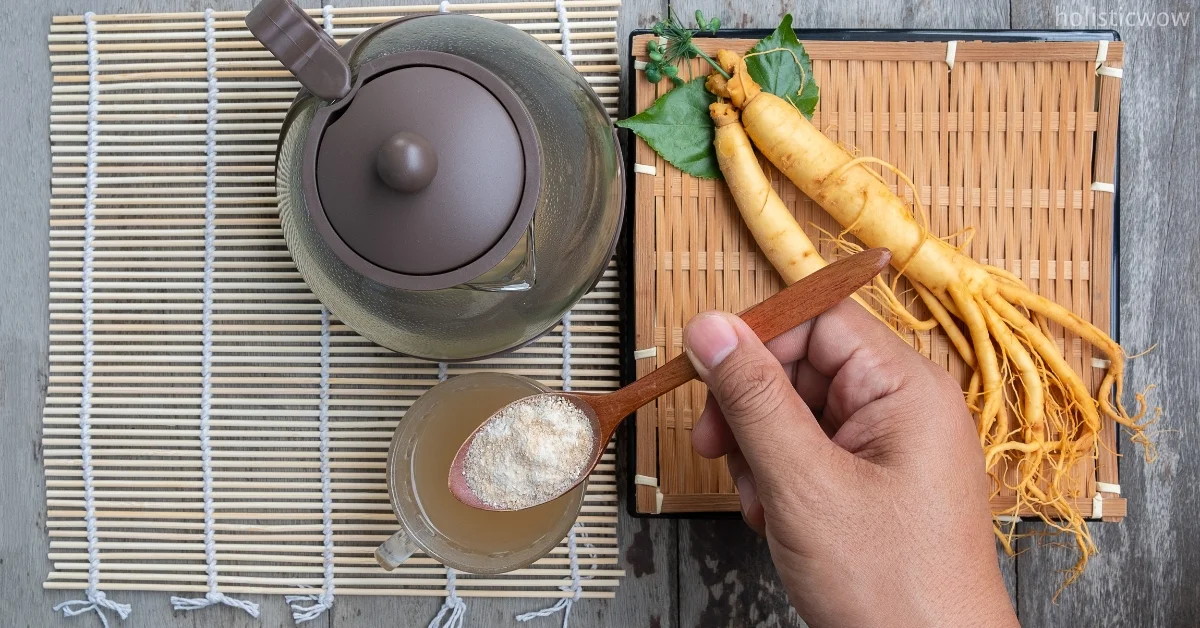
Ginseng Immune Booster Tea
Ingredients:
- 1 teaspoon dried ginseng root
- 1 cup boiling water
Preparation:
- Place the dried ginseng root in a teapot or cup.
- Pour boiling water over the ginseng.
- Cover and steep for 10–15 minutes.
- Strain and drink warm.
Drink 1–2 cups daily, especially during cold and flu season for ongoing immune support.
This simple tea harnesses the immune-supporting properties of ginseng and may help enhance resilience during times of increased susceptibility to illness.
Warnings: Ginseng may interact with certain medications, including blood thinners and diabetes medications, and can cause overstimulation or digestive upset in some individuals. Avoid use if you are pregnant, breastfeeding, or have hormone-sensitive conditions. Consult a healthcare provider if you are on any medications or have chronic health conditions.
Ginseng and Herbal Immune Support Blend
Ingredients:
- 1 teaspoon dried ginseng root
- 1 teaspoon dried echinacea root
- 1 teaspoon dried elderflower
- 1 teaspoon dried peppermint leaf
- 1 cup boiling water
Preparation:
- Combine all the dried herbs in a teapot or infuser.
- Pour boiling water over the herbs.
- Cover and steep for 15 minutes.
- Strain and drink warm. You may add honey or lemon for taste if desired.
Drink 1 cup 2–3 times daily for short-term immune support, such as at the onset of seasonal sniffles.
This blend combines the immune-boosting effects of ginseng, echinacea, and elderflower with the soothing qualities of peppermint and may help support the body’s defenses and promote overall wellness during periods of exposure to respiratory infections.
Warnings: Ginseng may interact with blood thinners and diabetes medications, and may cause overstimulation or digestive upset. Echinacea can cause allergic reactions, especially if you are sensitive to plants in the daisy family, and may interact with immunosuppressive medications. Elderflower may have mild diuretic effects and should be used cautiously in those with kidney conditions or taking diuretics. Peppermint can aggravate reflux in some individuals. Avoid use during pregnancy and breastfeeding, and consult a healthcare provider before use if you have allergies, chronic health conditions, or take regular medications.
These herbal preparations can complement conventional treatments but should not replace them. Always consult a healthcare provider before starting any new herbal regimen, particularly if you have existing health conditions or are taking medications.