
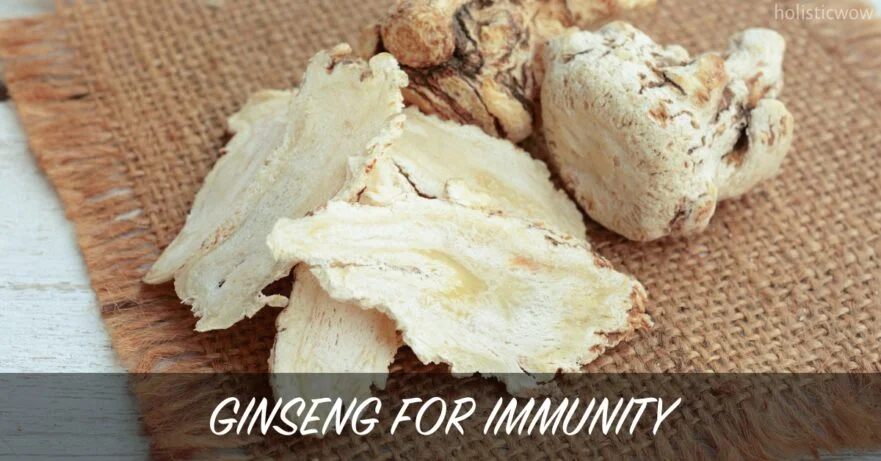
Ginseng is a renowned herbal remedy that supports immunity by boosting the body’s natural defenses, making it a popular choice for those seeking to stay healthy and resilient against infections and stress.
Key Takeaways
- 🛡️ Natural Immune Support: Ginseng helps strengthen the body’s immune system by supporting important immune cells and promoting a balanced response to bacteria, viruses, and other threats.
- 💪 Adaptogen for Stress & Immunity: Ginseng acts as an adaptogen, which means it can help your body cope with stress and maintain energy, making it easier to stay healthy during demanding times.
- ✨ Dual Role—Antioxidant & Anti-inflammatory: The special ingredients in ginseng, called ginsenosides, can help protect your body’s cells from damage and keep inflammation under control, supporting overall immune health.
- ⚠️ Safe Use Matters: While ginseng is generally safe for most adults, it can interact with some medications and cause side effects, so it’s best to talk to your doctor before adding it to your routine, especially if you’re managing health conditions or taking prescriptions.
What Is Ginseng and How Does It Support Immunity?
Ginseng is a traditional herbal remedy, primarily derived from Panax ginseng, which is well known for its potential health benefits, including support for immune health.
The root contains active compounds such as ginsenosides and saponins, which may help support immune function by promoting the regulation of immune responses.
Ginseng acts as an immunomodulator, meaning it may help maintain a balanced immune system, which is important for overall immune resilience.
It interacts with key immune cells, including macrophages and T cells, which play important roles in identifying and responding to harmful bacteria and viruses, helping to boost the body’s defense against infection.
Current research indicates that by influencing the activity of these immune cells, ginseng may support the body’s natural immune defenses and homeostasis, thus enhancing resistance to illnesses.
While more research is needed to fully understand all of its effects, current evidence suggests that ginseng could potentially offer immune-boosting properties as part of a healthy lifestyle, contributing to improved immune health.
What Are the Immune-Boosting Properties of Ginseng?
Ginseng may offer immune-boosting benefits by helping to regulate and support immune function, allowing for a more coordinated fight against infections.
It can enhance the activity of key immune cells, such as macrophages and natural killer cells, which are important for identifying and removing harmful microorganisms, strengthening the body’s immune defense mechanisms.
The active compounds in ginseng, known as ginsenosides, play a role in immunomodulation by promoting the production of cytokines, which can help the immune system respond rapidly to threats.
These signaling proteins help immune cells communicate and coordinate responses, which may help the body respond more effectively to infections and maintain a balanced immune system, ensuring effective management of illness and recovery.
How Does Ginseng Enhance Natural Defenses?
Ginseng may help enhance the natural defense system by supporting immune cell activity and promoting a more effective immune response, which can lead to improved pathogen clearance.
It plays a role in boosting phagocytosis—the process where macrophages identify and help eliminate harmful pathogens, thereby strengthening the innate immune system.
Ginseng also supports the maturation of dendritic cells, which are important for presenting antigens to other immune cells, facilitating a highly targeted immune reaction.
This process helps coordinate a stronger and more targeted immune response to invading microbes, offering overall immune support and improving the natural defense system’s readiness.
How Does Ginseng Act as an Adaptogen?
Ginseng acts as an adaptogen by helping the body adapt to stress and maintain internal balance, supporting resilience under demanding circumstances.
It supports the body’s natural ability to cope with physical, emotional, and environmental stressors, which can in turn help maintain healthy immune responses.
As an adaptogen, ginseng may help regulate immune function and support overall resilience, bolstering resistance to illness.
Rather than simply boosting or suppressing immune activity, ginseng may help maintain balanced immune responses, ensuring the immune system does not overreact or underperform.
In addition, ginseng may improve energy levels and reduce fatigue, which can be especially helpful during times of stress, promoting overall well-being and vitality.
How Does Ginseng Compare to Other Adaptogens for Immune Support?
Ginseng stands out among adaptogens for immune support because it may offer both stress adaptation and support for immune function through immunomodulation, including influences on immune cell activity.
Unlike other adaptogens such as ashwagandha or rhodiola, which primarily help the body manage stress, energy, and fatigue, ginseng may also contribute directly to immune regulation in addition to stress resilience, enhancing both mental and immune health.
As a widely used herbal medicine, ginseng’s dual role as an adaptogen and immune support agent makes it a unique option for those looking to support overall wellness, making it a versatile supplement.
Its effects on both immune activation and stress adaptation set it apart from many other herbal remedies.
What Are the Antioxidant and Anti-inflammatory Benefits of Ginseng?
Ginseng offers antioxidant and anti-inflammatory benefits that may help support immune health, providing cellular protection from daily stressors.
Its antioxidant properties help protect cells from oxidative stress by neutralizing free radicals, which can damage tissues over time and contribute to various health concerns.
For inflammation control, ginseng may help regulate pro-inflammatory cytokines—signaling molecules that play a key role in triggering and managing the body’s inflammatory responses, supporting a healthy balance in immune function.
By influencing these pathways, ginseng could potentially reduce the risk of chronic inflammation and promote healthy immune function, lowering the chances of immunological disorders.
How Does Ginseng Influence White Blood Cells and Cytokines?
Ginseng may help enhance the activity of white blood cells (WBCs), including macrophages, which play a key role in immune function by recognizing and eliminating pathogens, making the immune response more robust.
It can support macrophages in performing phagocytosis—the process of engulfing and destroying harmful invaders—while also encouraging the release of certain inflammatory mediators as needed for immune defense.
In addition, ginseng appears to promote the production of cytokines, which are signaling proteins that help coordinate the immune response by activating and guiding other immune cells, facilitating a more synchronized defense strategy.
This combined effect may help strengthen the body’s overall immune defense, boosting protective responses to various health threats.
What Role Does Ginseng Play in Combating Infections?
Ginseng may play a supportive role in helping the immune system defend against infections, with properties that assist in both antibacterial and antiviral defense.
Studies suggest it may support immune health by promoting activity of natural killer cells and macrophages, which are important for identifying and destroying harmful bacteria and viruses, decreasing the likelihood of infection developing or spreading.
In addition, ginseng may help promote antibody production, which could potentially improve the body’s ability to recognize and neutralize pathogens more effectively, increasing pathogen-specific immunity.
These actions contribute to its potential roles in supporting the body’s defense against bacterial and viral infections, making ginseng a promising natural option for supporting the body’s immune response and overall resilience.
How Does Ginseng Improve Immune Function During Stress?
Ginseng supports immune function during stress by acting as an adaptogen and promoting healthy immune regulation, preserving immune efficiency during challenging periods.
It may help your body maintain balanced immune responses when exposed to psychological or physical stress, which can otherwise weaken immune health, supporting optimal recovery and defense.
Evidence from laboratory and animal studies suggests that ginseng may help maintain immune cell activity and cytokine regulation under stressful conditions, but more high-quality human research is needed.
These properties may aid in reducing the negative impact of stress on immune health.
What Are the Benefits of Korean Red Ginseng for Immune Health?
Korean Red Ginseng is considered one of the most effective forms of ginseng for supporting immune health because its unique steaming process increases the concentration and potential bioactivity of specific ginsenosides, leading to superior immune-enhancing effects.
These compounds may help enhance immune responses by supporting natural killer cell activity and promoting healthy antibody production, further strengthening disease resistance.
This transformation may result in differences in immune-modulating effects compared to other types of ginseng, making Korean Red Ginseng a popular choice for those looking to naturally support their immune system, and optimize immune health.

What Does Scientific Research Say About Ginseng’s Immune Benefits?
Scientific research suggests that ginseng may provide immune benefits by enhancing immune cell activity and supporting healthy cytokine production, resulting in more effective pathogen control.
Clinical and laboratory studies indicate that ginseng plays a role in immunomodulation, which could help the body maintain a balanced immune function and potentially improve resistance to infections, boosting overall protection.
Some studies also suggest that ginseng may support vaccine efficacy by helping the immune system respond more effectively, potentially making immunizations more effective.
However, larger and more rigorous clinical studies are still needed to confirm these effects in diverse populations.
Should You Include Ginseng in Your Diet for Immune Support?
Including ginseng in your diet may help provide immune support and strengthen your natural defenses, thanks to its potential immuno-enhancing and adaptogen effects, helping your body stay resilient during challenging times.
Scientific studies suggest that ginseng could help support immune cell activity, regulate inflammatory responses, and promote resilience during periods of stress, increasing overall health benefits.
As a dietary supplement, ginseng may offer health benefits, especially during times of illness or fatigue, helping to restore vitality and immune balance.
However, it’s a good idea to consult a healthcare professional before adding ginseng or any new supplement to your routine, especially if you are taking medications or have underlying health conditions.
What Are the Safety Considerations When Using Ginseng?
Safety considerations are important when using ginseng, especially for immune support and overall wellness.
Most healthy adults tolerate ginseng well, but it can cause side effects in some people, such as insomnia, headaches, increased heart rate, and digestive issues, affecting comfort and daily routine.
Ginseng may also interact with certain medications, including blood thinners, diabetes medications, and antidepressants, so it’s important to talk with a healthcare provider before starting it, ensuring your safety and minimizing health risks.
This helps ensure safe use and reduces the risk of unwanted side effects or interactions, and encourages responsible supplementation for immune health.
Herbal Preparations and Recipes for Immune Support
Herbal remedies can play a significant role in supporting immune health. Ginseng, known for its immunomodulatory properties, can help enhance the body’s natural defenses. The following recipes utilize ginseng and other herbs to promote immune function and resilience.
Always consult a healthcare provider before starting any new herbal regimen, especially if you have existing health conditions or are taking medications.
Ginseng Immunity Boosting Tea
Ingredients:
- 1 teaspoon dried ginseng root
- 1 cup boiling water
Preparation:
- Place the dried ginseng root in a teapot or cup.
- Pour boiling water over the ginseng.
- Cover and steep for 10–15 minutes.
- Strain and drink warm. You may add honey or lemon for flavor if desired.
Drink 1–2 cups daily as part of your routine to support immune function.
This simple tea harnesses the immune-modulating effects of ginseng, helping to promote vitality and enhance the body’s natural defenses during times of increased need.
Warnings: Ginseng may cause mild side effects such as insomnia, headache, or gastrointestinal upset in some individuals. Use caution if you have high blood pressure or are taking blood thinners or immunosuppressants. Not recommended during pregnancy, while breastfeeding, or for prolonged use without medical supervision. Discontinue use if you experience adverse reactions and consult your provider.
Immune Support Herbal Blend
Ingredients:
- 1 teaspoon dried ginseng root
- 1 teaspoon dried echinacea root
- 1 teaspoon dried elderberry
- ½ teaspoon dried ginger root
- 1 cup boiling water
Preparation:
- Combine all the dried herbs in a teapot or infuser.
- Pour boiling water over the herbs.
- Cover and steep for 15 minutes.
- Strain and drink warm. Sweeten with a little honey if desired.
Drink 1 cup 1–2 times daily for ongoing immune support, especially during seasons of higher risk.
This potent blend combines the strengths of ginseng, echinacea, elderberry, and ginger to support immune defense, reduce vulnerability to seasonal infections, and help the body respond to mild stressors.
Warnings: Ginseng may cause insomnia or digestive upset. Echinacea should not be used for longer than 8 weeks continuously, and can cause allergic reactions in some individuals. Elderberry is generally safe when properly prepared, but avoid raw consumption. Ginger may cause mild digestive side effects. Consult your provider before use if you are pregnant, breastfeeding, have autoimmune conditions, allergies to plants in the daisy family, or take immunosuppressants or blood thinners. Discontinue if any adverse effects occur.
These herbal preparations are intended to complement, not replace, conventional medical care for immune health. Always consult a healthcare provider before use, especially if you have ongoing health concerns or are taking medications.
[no_toc]