
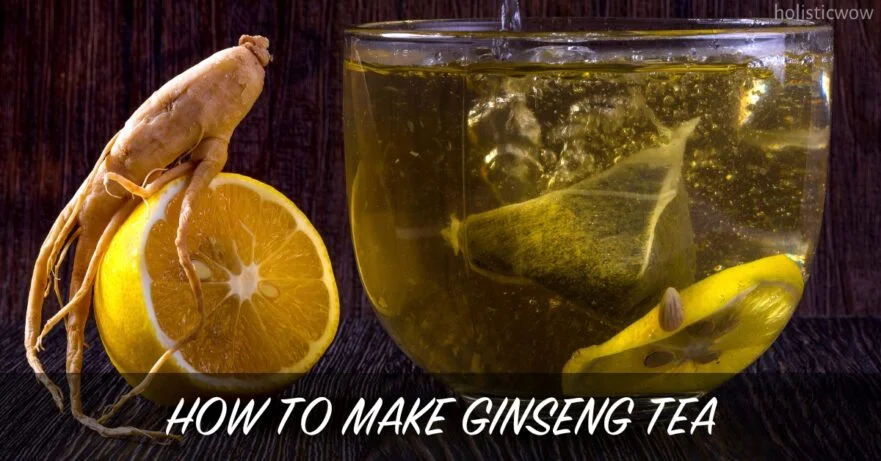
Making ginseng tea at home is a simple way to enjoy this traditional herbal beverage, known for its natural boost to energy and wellness—using just dried ginseng root or powder, hot water, and optional flavorings like honey or lemon, you can prepare a soothing cup in minutes.
Key Takeaways
- 🍵 Simple Ginseng Tea Prep: Making ginseng tea requires just dried ginseng root or ginseng powder, hot water, and optional honey—making it easy to incorporate into your daily routine at home.
- 🌱 Choosing the Right Ginseng: American ginseng offers a milder, calming effect while Korean (or red) ginseng is more stimulating and energizing, so you can pick what best suits your needs for either relaxation or a little boost.
- ⚡ Natural Energy and Focus: Regularly drinking ginseng tea may help improve energy, mental clarity, and support your body’s resilience to daily stress without the caffeine crash.
- 🍋 Customize for Taste: Enhance your tea’s flavor with honey, lemon, or cinnamon—simple ways to make it tastier and more enjoyable, which can encourage you to drink it more regularly.
What Ingredients Do You Need to Make Ginseng Tea?
To make ginseng tea, start with either dried ginseng roots or ginseng powder as your main ingredient.
Measure about 4–5 grams of dried ginseng root per 8 oz cup of water—this equals roughly 2–3 small roots, 1–2 medium roots, 1 large root, or half of a jumbo root.
If you’re using ginseng powder, use about 2 grams (approximately 1 teaspoon) per 8 oz cup.
Heat the water to around 208 °F (98 °C), which is just below boiling, to help extract the beneficial compounds from the ginseng.
Honey is an optional ingredient that may enhance the flavor and is commonly used in traditional preparations.
While not required, it can make the tea more enjoyable.
No other ingredients are necessary for a basic cup of ginseng tea.
However, if you prefer more flavor, you can add lemon or cinnamon after brewing.
These additions not only improve taste but may also offer a pleasing aroma and create a soothing drinking experience, though scientific evidence for added health benefits is limited.
Using simple ingredients like dried ginseng roots or ginseng powder, hot water, and honey makes for a straightforward way to enjoy the potential adaptogenic effects of ginseng tea.
Should You Use American or Korean Ginseng for Tea?
Both American ginseng and Korean ginseng are popular choices for tea, but they offer distinct properties and potential benefits.
American ginseng, or Panax quinquefolius, is known for its milder, cooling effects according to traditional medicine and some research, and it may help support stress relief and relaxation in some individuals.
This type is often favored for its ability to offer gentle support for the nervous system and to help maintain calm energy throughout the day.
It’s a good option if you prefer a gentle, less stimulating tea.
In contrast, Korean ginseng, also called Asian ginseng (Panax ginseng), tends to have more stimulating properties and is traditionally used to help promote alertness and support overall vitality.
Drinking Korean ginseng tea may contribute to enhanced stamina and help increase mental clarity during periods of fatigue.
The choice between the two often comes down to personal preference and how your body responds.
Exploring the different benefits of ginseng through tea can be a simple and enjoyable way to support your well-being.
What Are the Differences Between Red and White Ginseng?
The main difference between red ginseng and white ginseng lies in how they are processed.
White ginseng is made by peeling fresh ginseng roots and drying them under the sun, while red ginseng is produced by peeling the roots, then steaming them before drying.
Steaming gives red ginseng its reddish color and alters its chemical composition, increasing levels of some ginsenosides, which may influence its physiological effects; red ginseng is often regarded as more stimulating compared to the generally milder white ginseng, although more research is needed.
This difference in processing can create distinct flavor profiles and might contribute to differences in how each type supports the immune system.
Some find that red ginseng tea offers a more invigorating experience, which could be helpful for people looking to boost their energy, while white ginseng is preferred for those seeking milder support.
These differences in processing can affect both the taste and the way each type of ginseng interacts with the body, creating unique options for those looking for tailored wellness benefits.

How Do You Prepare Ginseng Root for Tea?
To prepare ginseng root for tea, measure about 4–5 grams of dried ginseng roots for each 8 oz cup of water.
You can use 2–3 small roots, 1–2 medium roots, 1 large root, or half of a jumbo root.
Heat water to about 208 °F (98 °C), just below boiling.
Add the ginseng roots directly to the hot water.
Allow them to steep for 5–10 minutes while keeping the water warm to ensure a proper brew.
After steeping, remove the ginseng using tongs or a strainer.
The same roots can be reused for 1 or 2 additional steeps, although the flavor and active compounds will decrease with each brew.
Preparing ginseng root this way allows for maximum extraction of ginsenosides, which may help elevate energy and support cognitive function.
These directions offer a simple and effective method for the preparation of ginseng tea, which may help support energy and overall wellness, though effects can vary depending on individual health and use.
A properly brewed cup also offers a natural way to encourage both relaxation and alertness as part of your daily routine.
What Is the Process for Brewing Ginseng Tea with Dried Roots?
To brew ginseng tea with dried roots, heat water to about 208 °F (98 °C) using a kettle or pot.
Measure out 4–5 grams of dried ginseng roots for each 8 oz cup of water.
Place the dried ginseng roots into the hot water and allow them to steep for 5–10 minutes.
Keeping the water hot during steeping may help extract compounds like ginsenosides more effectively.
These bioactive components are believed to support immune health and boost energy, making each cup beneficial.
After steeping, remove the roots using a strainer or tongs.
For added flavor, you can stir in a small amount of honey if desired, as this does not affect the health properties of the tea.
Honey provides gentle sweetness while soothing the throat, adding enjoyment to each sip.
These directions offer a simple way to enjoy the traditional use and potential health benefits of ginseng tea at home, while scientific evidence for these benefits continues to be studied.
The method is easy for anyone looking to introduce this time-honored beverage into their regular wellness routine.
How Can You Make Ginseng Tea Using Ginseng Powder?
To prepare ginseng tea with ginseng powder, start by heating 8 oz of water to about 208 °F (98 °C).
Measure out 2 grams (about 1 teaspoon) of ginseng powder and place it in a disposable teabag for easy removal.
Steep the teabag in the hot water for 3–5 minutes.
Maintaining the water hot during this time may help extract the ginsenosides found in ginseng, which are being studied for their potential effects on energy and immune support.
This brewing process offers a fast way to access the adaptogenic properties of ginseng powder and may contribute to enhanced mental clarity.
After steeping, remove the teabag and add honey to taste for a naturally sweeter flavor.
Including honey not only enhances enjoyment but may also provide mild throat-soothing benefits.
This method is a quick and convenient way to brew ginseng tea, especially compared to using dried ginseng root.
A cup made with ginseng powder offers an efficient solution for busy mornings or when you want the benefits of ginseng in less time.
What Are the Steps for Making Iced Ginseng Tea?
To make iced ginseng tea, start by brewing hot ginseng tea.
You can use either dried ginseng roots or ginseng powder, depending on your preference.
After steeping, let the tea cool to room temperature.
Then, pour the cooled tea over ice in a glass for a refreshing drink.
For added flavor, you can stir in a bit of honey or a splash of lemon juice—both of which may enhance taste, though their health effects in this context are mild.
Iced ginseng tea is a cooling alternative that delivers the same beneficial compounds as the hot version.
This chilled preparation offers a revitalizing beverage, especially during warmer months, while helping to support hydration and natural energy levels.
How Can You Enhance the Flavor of Ginseng Tea?
You can enhance the flavor of ginseng tea by adding honey, which complements its earthy taste and provides a natural sweetness.
For a brighter, citrusy note, try adding lemon slices or a small amount of lemon juice after brewing.
Cinnamon sticks or a pinch of ground cinnamon can also be added after brewing to give the tea a warm, spicy flavor.
These optional add-ins are simple ways to personalize your ginseng tea and make the experience more enjoyable through flavor enhancement, though they are not necessary for health benefits.
Flavor enhancement with these ingredients can transform the taste into a more comforting beverage, increase palatability, and encourage regular tea consumption as part of a wellness regimen.
What Are the Health Benefits of Drinking Ginseng Tea?
Drinking ginseng tea may be associated with potential health benefits, such as supporting energy levels, improving memory and focus, promoting heart health, and supporting immune function, according to some studies.
These effects are largely attributed to compounds in ginseng called ginsenosides.
Ginseng tea may also help the body respond better to stress and could support healthy blood sugar levels in some individuals.
Additionally, it has antioxidant properties that may help reduce markers of inflammation, though more research is needed in humans.
Consuming ginseng tea may enhance overall resilience and aid in balancing the body’s response to physical and mental fatigue.
While more research is needed to fully understand all its effects, ginseng tea is traditionally used to support overall wellness, but it should not replace medical treatment for any health condition.
How Does Ginseng Tea Affect Energy and Vitality?
Ginseng tea is recognized for its potential in supporting energy levels and supporting overall vitality.
The ginsenosides found in ginseng root are the key active compounds that may help the body better manage stress and may improve endurance according to some research, though results in people can vary.
These naturally occurring compounds are believed to promote sustained energy without the crash associated with caffeine or sugar.
Regularly drinking ginseng tea may help enhance mental alertness and physical stamina by supporting the body’s ability to adapt to daily stressors, though effects may differ among individuals.
This adaptogenic quality means that it can help normalize bodily functions in response to stress, offering a sense of balanced energy.
These potential benefits make ginseng tea a popular choice for those looking to support energy and well-being in a natural way.
Herbal Preparations and Recipes for Energy and Vitality
Herbal remedies can support energy levels and overall vitality. Ginseng, known for its adaptogenic properties, may help the body manage stress and enhance stamina. The following recipes utilize ginseng and complementary herbs to promote energy and mental clarity.
Always consult a healthcare provider before starting any new herbal regimen, especially if you have existing health conditions or are taking medications.
Energizing Ginseng Tea
Ingredients:
- 4–5 grams dried ginseng root or 2 grams ginseng powder
- 8 ounces boiling water
- Honey (optional, to taste)
Preparation:
- If using dried ginseng root, measure 4–5 grams and place in a teapot. If using ginseng powder, measure 2 grams and place in a disposable teabag.
- Heat water to about 208°F (98°C) and pour it over the ginseng.
- Steep for 5–10 minutes.
- Strain the tea (if using root) or remove the teabag.
- Add honey for sweetness if desired.
Drink 1–2 cups daily to help support energy and vitality.
This tea may help promote mental clarity, reduce fatigue, and gently support your body’s natural energy reserves throughout the day.
Warnings: Ginseng may cause trouble sleeping, headache, or digestive upset in some individuals. Those with high blood pressure, heart conditions, diabetes, or taking blood thinners should consult a healthcare provider before use. Do not use if pregnant, breastfeeding, or if you have hormone-sensitive conditions unless directed by your provider.
Revitalizing Ginseng Herbal Blend
Ingredients:
- 2 grams dried ginseng root
- 1 teaspoon dried peppermint leaf
- 1 teaspoon dried lemon balm leaf
- 1 teaspoon dried chamomile flower
- 1 teaspoon dried ginger root
- 8 ounces boiling water
Preparation:
- Combine all the dried herbs in a teapot.
- Heat water to about 208°F (98°C) and pour over the herbs.
- Steep for 10–15 minutes.
- Strain the tea and enjoy warm.
Drink 1 cup daily for ongoing support of energy, relaxation, and mental clarity.
This herbal blend may help gently enhance stamina, promote a calm focus, and provide soothing balance for mind and body during everyday stress.
Warnings: Ginseng may interact with blood thinners, diabetes medications, and stimulants. Chamomile can cause allergic reactions, especially if you are sensitive to plants in the daisy family. Ginger may cause mild digestive upset. Consult a healthcare provider before use if you are pregnant, breastfeeding, have known allergies, or take medications for chronic conditions.
These herbal preparations are designed to complement, not replace, conventional care for energy and vitality. Consult your healthcare provider before use, particularly if you have health conditions or take medication.
[no_toc]