
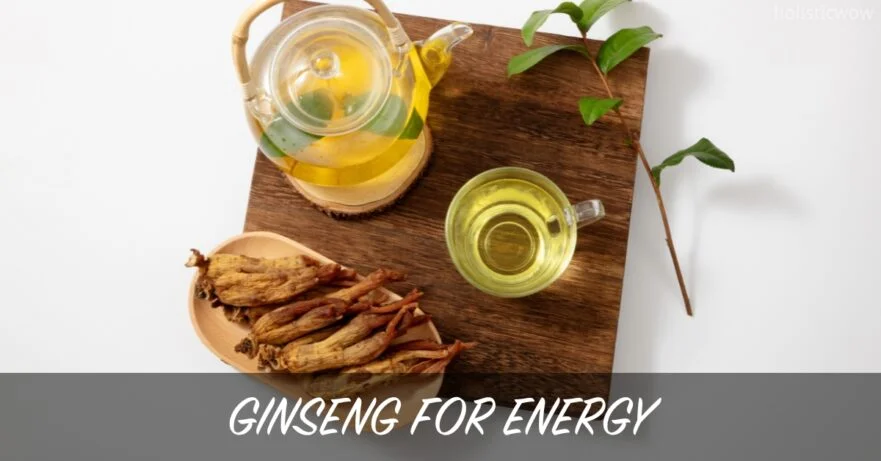
Ginseng is a popular herbal supplement often promoted for boosting energy and stamina, but scientific evidence shows its main benefits lie in reducing fatigue and supporting overall well-being rather than dramatically increasing physical performance. Before considering ginseng for energy or endurance, it’s important to understand how it works—and what its real effects are.
Key Takeaways
- 🌱 Natural Energy and Stress Support: Ginseng, especially varieties like Asian and American ginseng, may help your body cope with stress and reduce feelings of tiredness, making it a popular herbal choice for daily energy and mental clarity.
- 🛡️ Immune and Wellness Benefits: The main active ingredients in ginseng—ginsenosides—support your immune system and act as antioxidants, potentially promoting overall wellness and helping you feel more resilient.
- ⚠️ Use With Care and Quality: Ginseng is usually safe for short-term use but can cause side effects or interact with certain medicines, so always choose high-quality, tested supplements and consult your doctor before starting, especially if you have health conditions.
- 💧 Practical Everyday Use: Simple ginseng teas or blends can offer a gentle boost during busy periods, but pay attention to how your body responds and stop if you notice side effects.
What Is Ginseng and How Does It Work?
Ginseng is a herbal remedy and dietary supplement made from the roots of ginseng plants.
The two main types are Panax ginseng (Asian ginseng) and Panax quinquefolius (American ginseng).
Known as an adaptogen, ginseng helps the body cope with physical and mental stress.
Its key active compounds, called ginsenosides, play a crucial role in many of its potential health benefits.
These compounds help support the body’s stress response, promote mental clarity, and may help improve fatigue in some people, making ginseng a popular choice for those seeking a natural energy boost.
Some research suggests that ginseng can influence energy metabolism and may support cognitive function, helping to maintain focus throughout the day.
Traditionally, ginseng has been used to boost energy, reduce fatigue, and promote overall well-being, offering holistic support for those experiencing occasional tiredness.
Effects can vary based on the type of ginseng, dosage, preparation, and individual response, and not all benefits are confirmed by clinical research.
What Are Ginsenosides and Their Role in Ginseng’s Effects?
Ginsenosides are the main active compounds in ginseng and are linked to many of its potential health benefits.
Around 40 different ginsenosides have been identified in the ginseng root, making them a key marker of quality in ginseng supplements.
These compounds act as antioxidants and help support the immune system, which is important for maintaining overall health.
Ginsenosides are also known for their anti-fatigue properties and may contribute to ginseng’s role as an adaptogen, helping the body respond to physical and mental stress.
They may also influence neurotransmitter levels and energy metabolism, which further supports their effects on fatigue and overall vitality, such as enhanced mental alertness and resilience to daily stressors.
The presence of ginsenosides makes ginseng a unique herbal remedy with a wide range of potential effects on wellness.
What Are the Health Benefits of Ginseng?
Ginseng is widely used as a dietary supplement, primarily for its potential to support energy, stamina, and fatigue reduction.
Many people take ginseng to promote overall well-being, improve mental clarity, and support the immune system, making it an appealing choice for holistic health.
For example, some individuals use ginseng supplements to help manage fatigue and boost vitality, benefiting from its adaptogenic effects on stress response.
While some people with conditions like Chronic Fatigue Syndrome report feeling less tired with regular use, robust scientific evidence is limited and results are inconsistent.
The primary active compounds in ginseng—ginsenosides—are thought to contribute to its health benefits by acting as antioxidants and influencing how the body responds to stress and energy metabolism, potentially supporting cognitive performance and immune resilience.
While some studies suggest potential benefits, clinical research has shown mixed results, and more high-quality studies are needed to confirm its effectiveness.
Overall, ginseng may help support energy levels, mental function, and immune health, but it should be used as part of a balanced approach to wellness.
Can Ginseng Really Boost Energy Levels?
Evidence suggests that ginseng may help reduce feelings of fatigue, especially in people experiencing low energy.
Meta-analyses report a statistically significant benefit for fatigue reduction in those taking ginseng supplements, indicating that ginseng may have anti-fatigue effects and help people feel less tired, especially during periods of increased stress or workload.
Many users find that ginseng enhances their sense of daily vitality, contributing to a greater feeling of productivity and alertness.
However, while ginseng supplementation may improve how tired you feel, current research does not show a clear benefit for boosting actual energy levels or enhancing physical performance during exercise.
More studies are needed to better understand its full effects on energy and endurance, particularly in people seeking natural ways to manage fatigue and maintain stamina.
How Does Ginseng Improve Physical Stamina?
Ginseng may help support physical stamina by influencing how the body uses energy and by aiding recovery after exercise.
It contains natural compounds called ginsenosides, which may affect energy metabolism pathways and help the body better manage physical stress, resulting in faster recovery and reduced muscle soreness after workouts.
While ginseng may support energy levels and muscle recovery, current research suggests it does not significantly improve exercise endurance or overall physical performance in most people.
However, it could still play a supportive role as part of a healthy lifestyle, especially for those interested in herbal supplements that help the body bounce back after exertion or activity.

Does Ginseng Help with Fatigue?
Ginseng has shown some potential in helping reduce fatigue, particularly in people experiencing chronic fatigue or persistent tiredness.
A meta-analysis of randomized controlled trials reported a standardized mean difference that suggests ginseng may help alleviate fatigue symptoms, especially in those with conditions like Chronic Fatigue Syndrome.
The anti-fatigue properties of ginsenosides may support sustained energy release and help users feel more alert throughout the day.
However, research findings are mixed, and results vary depending on the type of ginseng used, dosage, and individual response.
While ginseng may offer anti-fatigue benefits for some, more consistent evidence is needed to confirm how effective it is and how long the effects last, especially for people relying on quality supplements for daily wellness.
How Does Ginseng Affect Exercise Endurance?
Current evidence does not support a significant effect of ginseng on exercise endurance.
Studies and meta-analyses consistently report that ginseng supplementation does not significantly enhance measurable physical performance during exercise.
While clinical research shows no consistent improvement in exercise capacity, ginseng supplementation may help reduce fatigue, which could potentially support overall stamina during physical activity, especially by promoting quicker recovery and a refreshed feeling after activity.
These anti-fatigue effects may offer some benefit, even if they don’t directly boost physical performance, by helping individuals maintain motivation and comfort during regular exercise routines.
How Does Ginseng Compare to Other Herbal Remedies?
Ginseng is widely recognized as an adaptogen—a type of herbal remedy that may help the body manage stress and support overall balance.
It is especially noted for its potential to support energy levels and reduce fatigue, making it unique among herbal supplements for those prioritizing sustained daily performance.
Compared to other adaptogenic herbs, ginseng stands out due to its unique compounds called ginsenosides, which may contribute to its moderate anti-fatigue and energy-supporting effects, potentially enhancing mental alertness and physical stamina.
While ashwagandha is often used to help with stress relief and mood enhancement, ginseng may be more beneficial for those seeking support with physical stamina and mental alertness, making it a preferred choice for individuals looking for comprehensive wellness support.
When choosing adaptogens, it’s important to look for quality supplements that are standardized and tested for purity to ensure safety and effectiveness.
Should You Use Ginseng as a Dietary Supplement?
The decision to use ginseng as a dietary supplement requires careful consideration.
Ginseng may help reduce fatigue and could provide mild support for overall well-being, potentially aiding resilience during times of stress or increased demands.
However, current clinical evidence does not strongly support its effectiveness for significantly boosting energy levels or enhancing physical performance.
If you’re thinking about adding ginseng or other quality supplements to your routine, it’s best to talk with a healthcare professional first to make sure it’s safe and appropriate for your needs, especially if you seek long-term support for stress management and vitality.
What Are the Recommended Dosages for Ginseng?
The recommended dosage for ginseng can vary based on the type of ginseng, the specific product, and the reason for use.
In scientific studies, daily dosages generally range from 500 mg to 3,000 mg, depending on the preparation and formulation.
To ensure safety and effectiveness, always follow the dosage instructions provided on the label of your chosen herbal supplement, as the formulation and potency can differ between products.
Choosing high-quality supplements from reputable brands may help ensure you’re getting a consistent and reliable dose, contributing to a safer experience and maximum benefit.
Consult a healthcare professional before starting, especially if you have health conditions or take medications.
What Should You Look for in Quality Ginseng Supplements?
When selecting quality supplements, it’s important to consider a few key factors to help ensure both safety and potential effectiveness.
Look for an herbal supplement that clearly states the exact type of ginseng used—such as Panax ginseng or American ginseng—as different types may have different effects.
Check the label for the amount of ginsenosides, the active compounds believed to contribute to ginseng’s potential health benefits, to ensure you are getting an effective and targeted formulation.
Choose products that have undergone third-party testing, which helps confirm the supplement’s quality, purity, and that it contains what the label claims.
These steps can help you choose a high-quality ginseng supplement that supports your wellness goals, improves ingredient transparency, and reduces the risk of contaminants.
Are There Any Risks or Side Effects of Ginseng Supplementation?
Ginseng supplementation is generally considered safe for most people when used short-term, but it can be associated with some possible side effects.
These may include insomnia, headaches, digestive issues, and fluctuations in blood pressure, so it is important to watch for unusual symptoms.
As with any herbal supplement, ginseng may interact with certain medications—especially those for diabetes, blood pressure, or blood thinning—so it’s important to consult a healthcare provider before starting use.
This helps reduce potential risks and ensures the supplement is safe for your individual health needs, preserving both your safety and the intended health benefits of herbal supplementation.
Herbal Preparations and Recipes for Energy and Stamina
Herbal remedies can support energy levels and reduce fatigue, making them valuable for those seeking natural ways to enhance vitality. Ginseng, known for its adaptogenic properties, can help the body cope with stress and improve mental clarity. The following recipes utilize ginseng to promote energy and stamina.
Always consult a healthcare provider before starting any new herbal regimen, especially if you have existing health conditions or are taking medications.
Ginseng Energy Tonic
Ingredients:
- 1 teaspoon dried ginseng root
- 1 cup boiling water
Preparation:
- Place the dried ginseng root in a teapot or heatproof container.
- Pour boiling water over the ginseng.
- Cover and steep for 10–15 minutes.
- Strain and drink warm.
Drink 1 cup daily for ongoing support of energy and stamina.
This tonic may help sustain energy, lift mild fatigue, and improve focus during periods of stress or increased activity.
Warnings: Ginseng may cause side effects such as insomnia, headache, or stomach upset in some individuals. Avoid if you have hormone-sensitive conditions, are pregnant or breastfeeding, or are taking blood thinners, diabetes medications, or medications that affect hormone levels. Discontinue use if you experience side effects and consult your healthcare provider.
Ginseng and Herbal Vitality Blend
Ingredients:
- 1 teaspoon dried ginseng root
- 1 teaspoon dried ginger root
- 1 teaspoon dried peppermint leaf
- 1 teaspoon dried lemon balm leaf
- 1 cup boiling water
Preparation:
- Combine all the dried herbs in a teapot.
- Pour boiling water over the herbs.
- Cover and steep for 10–15 minutes.
- Strain and drink warm.
Drink 1 cup 1–2 times daily for gentle energy and mood support.
This blend combines the invigorating qualities of ginseng and ginger with the refreshing effects of peppermint and the calming support of lemon balm, helping to promote balanced energy, mental clarity, and overall well-being.
Warnings: Ginseng and ginger may cause insomnia, digestive upset, or interact with blood thinners and diabetes medications. Peppermint can aggravate reflux and should be avoided if you have GERD or are pregnant. Lemon balm may cause drowsiness or interact with sedative medications. Avoid use in pregnancy, during breastfeeding, or with hormone-sensitive conditions. Consult a healthcare provider before use if you take prescription medications, have health conditions, or experience any side effects.
These herbal preparations are intended to gently support energy and stamina, but should not replace medical advice or treatment. Consult a healthcare provider before use, especially if you have health conditions or take medications.