
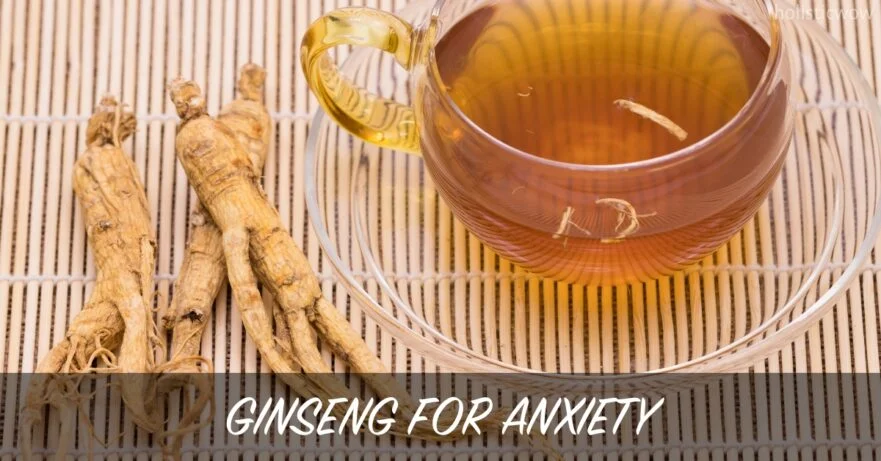
Ginseng, a renowned adaptogenic herb, is widely used for stress and anxiety relief thanks to its natural ability to help the body adapt to stress, enhance mental performance, and promote emotional well-being. Backed by centuries of traditional use and modern research, ginseng’s unique compounds support a balanced stress response, making it a popular choice for those seeking natural ways to manage psychological distress and boost vitality.
Key Takeaways
- 🌱 Natural Stress Support: Ginseng acts as an adaptogen, helping your body handle both emotional and physical stress while promoting calmness and mental clarity.
- 🧠 Boosts Memory & Focus: The special active compounds in ginseng, called ginsenosides, may help improve memory, mental sharpness, and even support a more positive mood, especially during stressful times.
- 💪 Strengthens Immunity: Regular use of ginseng can support your immune system, helping you stay resilient against sickness and recover more quickly from stress.
- ⚠️ Safe Use Tips: While generally safe, ginseng may cause mild side effects like trouble sleeping or stomach upset, so it’s best to start with smaller amounts and talk to your doctor if you’re pregnant, take other medicines, or have health issues.
What Is Ginseng and How Does It Work for Stress Relief?
Ginseng is a traditional medicinal herb highly valued in herbal remedies for stress relief and overall well-being.
Especially varieties like Panax ginseng and white ginseng are rich in natural compounds called ginsenosides, which are known for their antioxidant properties and their potential to support mental performance, anxiety relief, and immune system support.
Ginseng works as an adaptogen, meaning it may help the body adapt to physical and emotional stress.
It does this by supporting the hypothalamic–pituitary–adrenal (HPA) axis, which plays a key role in regulating the body’s response to stress.
By modulating the HPA axis, ginseng may promote more balanced levels of stress hormones like cortisol, which could potentially help alleviate psychological distress such as symptoms of stress and anxiety and benefit heart and brain function.
This adaptogenic effect may also help the body maintain homeostasis, or internal balance, during times of stress, supporting both mental clarity and emotional stability.
While more research is needed to fully understand its effects on psychological conditions, current evidence suggests that ginseng may be a helpful natural option for supporting mental and immune health, especially in individuals experiencing high stress.
What Are the Traditional Uses of Ginseng as a Natural Remedy?
Ginseng is widely recognized for its traditional use as a natural remedy across Korean, Chinese, and Japanese herbal practices.
It has been valued for centuries as a tonic and rejuvenator, with a strong reputation for its adaptogenic effects—meaning it may help the body adapt to physical, emotional, and environmental stress.
Traditional use involves promoting overall well-being, supporting immune system health, and helping to boost energy levels, which contributes to increased vitality and resistance to fatigue.
Ginseng has also been used in various forms, such as teas and dietary supplements, to help reduce fatigue and potentially enhance both mental and physical performance, making it a sought-after natural remedy to improve quality of life.
What Are the Active Ingredients in Ginseng That Aid Stress Relief?
The active ingredients in ginseng that may help with stress relief are called ginsenosides.
These natural compounds are found in the roots, leaves, stems, and fruit of Panax ginseng and white ginseng (a dried form of Panax ginseng root).
Ginsenosides are best known for their antioxidant properties, anti-inflammatory effects, and potential neuroprotective effects, all of which contribute to their role in stress management.
They may support brain health by promoting neurogenesis and enhancing neurotransmission, which could potentially help the body better manage stress and prevent stress-induced cognitive impairment.
Two important ginsenosides studied for these benefits are Ginsenoside Rg1 and Ginsenoside Rb1, which have shown promising effects in supporting cognitive function and emotional well-being and improving adaptation to psychological stress.
What Are the Adaptogenic Effects of Ginseng?
Ginseng is recognized for its adaptogenic effects, which may help the body better cope with both physical and psychological stress while supporting overall balance and well-being.
As an adaptogen, ginseng helps regulate the hypothalamic–pituitary–adrenal (HPA) axis, which plays a key role in stress management by controlling the release of stress hormones like cortisol and promoting long-term resilience to stress.
By modulating the HPA axis, ginseng may contribute to improved resilience, potential anxiety relief, and support for mood, which could be beneficial in managing symptoms of stress and mild to moderate depression.
This adaptogenic action may also play a role in reinforcing emotional stability, reducing fatigue, and maintaining mental health during times of chronic stress.
How Does Ginseng Compare to Other Adaptogenic Herbs?
Ginseng stands out among adaptogenic herbs for its potential to support stress relief and improve cognitive function, particularly due to its unique ginsenoside content.
Some research suggests that ginseng may provide effective stress modulation and cognitive support, but current evidence does not conclusively show that ginseng is more effective than other adaptogens such as Rhodiola or Tulsi.
Despite this, its antioxidant and neuroprotective effects set it apart for those seeking natural options for stress relief and mental clarity.
Choosing ginseng as part of a stress-management regimen can enhance energy, support memory, and offer broad adaptogenic benefits, though individual responses may vary compared to other adaptogenic herbs.

How Does Ginseng Help with Anxiety Relief?
Ginseng may help with anxiety relief by lowering stress levels and supporting the body’s stress response system, known as the HPA axis.
This system helps regulate hormone levels that influence mood and anxiety, supporting emotional balance.
Studies using animal models suggest that ginseng can produce anti-anxiety effects that are comparable in some aspects to certain antidepressants in preclinical settings, though more research in humans is needed to confirm these benefits.
In addition, ginseng’s potential neuroprotective effects may support brain health and improve cognitive function, which could potentially help reduce anxiety symptoms over time, foster a sense of calm, and prolong resilience during episodes of psychological stress.
How Does Ginseng Affect Mood Changes and Psychological Distress?
Ginseng may help with mood changes and psychological distress by supporting how the body manages stress.
It works by regulating the hypothalamic–pituitary–adrenal (HPA) axis, which helps control the release of stress hormones like cortisol and reduces stress-related mood swings.
By modulating cortisol and other stress hormone levels, ginseng could potentially contribute to reducing symptoms related to stress, anxiety, and depression, promoting a more balanced mood and improved emotional well-being.
This balancing effect supports psychological resilience, helps buffer against emotional fatigue, and may improve overall quality of life in those experiencing stress.
What Are the Psychological and Neurobiological Effects of Ginseng?
Ginseng may help improve mood and reduce psychological distress by acting on the central nervous system, thereby enhancing emotional regulation and psychological resilience.
Its psychological effects are thought to be linked to its ability to support emotional resilience and reduce anxiety, as well as bolster cognitive function in stressful situations.
Neurobiological evidence suggests that ginsenosides—the active compounds in ginseng—may promote neurogenesis and help regulate neurotransmitters, which could support cognitive function and protect against neuronal damage.
These neuroprotective and restorative properties make ginseng valuable for maintaining mental health and potentially reducing the risk of stress-related cognitive decline.
How Does Ginseng Influence the Stress Response Inventory?
Ginseng influences the Stress Response Inventory by helping regulate how the body responds to stress on both psychological and physical levels, supporting improved stress management.
It supports stress management by modulating hormone secretion—including potentially helping to balance cortisol levels—through its effects on the hypothalamic–pituitary–adrenal (HPA) axis, aiding in emotional stability.
In addition, ginseng may help reduce the production of inflammatory cytokines, which are linked to stress-related symptoms and chronic stress disorders.
This combination of hormonal regulation and inflammation control may contribute to improved scores on the Stress Response Inventory and better overall psychological well-being, making ginseng a valuable tool for long-term stress resilience.
How Does Ginseng Interact with the Autonomic Nervous System?
Ginseng interacts with the autonomic nervous system by helping to balance both the sympathetic and parasympathetic responses, especially during times of stress, contributing to better heart rate regulation and relaxation.
This adaptogenic effect may support improved stress resilience and overall physiological stability, which could potentially reduce symptoms linked to chronic stress, such as elevated blood pressure or anxiety.
By modulating autonomic nervous system balance, ginseng can promote faster recovery after stressful events and maintain consistent energy levels throughout the day.
What Is the Role of Ginseng in Supporting the Immune System?
Ginseng may play a supportive role in immune system health through several mechanisms, including modulating immune cell activity to help the body respond more effectively to infections.
It helps regulate immune responses by balancing immune cell activity and may reduce inflammation, which underlies many stress-related diseases.
In addition, ginseng has antioxidant properties that help protect cells from damage caused by oxidative stress, thereby enhancing the body’s resilience to environmental challenges.
This protection may contribute to overall immune system support and could potentially help the body cope with stress-related diseases, making ginseng a key component in maintaining immune balance.
Can Ginseng Improve Cognitive Function and Memory?
Ginseng may help support cognitive function and memory through its potential neuroprotective effects and its potential to promote neurogenesis, which is the growth of new brain cells and synaptic connections.
Some clinical studies suggest that ginseng could potentially enhance certain aspects of memory function, especially in individuals experiencing cognitive decline or increased stress, leading to clearer thinking and better information retention.
In addition to memory support, ginseng’s benefits may include improved attention, processing speed, and overall mental performance, particularly during high-stress periods or aging.
How Can Ginseng Enhance Mental and Physical Performance?
Ginseng may help enhance mental and physical performance by providing an energy boost and reducing fatigue, especially in people dealing with high demands or stress-related symptoms.
Its adaptogenic properties could potentially support the body’s ability to manage both psychological and physical stress, which may contribute to improved focus and stamina during athletic or academic activities.
Additional benefits include helping the body recover from exertion, increasing endurance, and strengthening concentration, all of which support day-to-day productivity and long-term health.
What Does Research Say About Ginseng’s Antidepressant Effects?
Research suggests that ginseng may have antidepressant effects by helping to regulate the hypothalamic–pituitary–adrenal (HPA) axis, which can lead to lower stress hormone levels and less psychological distress.
Animal studies indicate that ginseng could potentially offer benefits similar to some conventional antidepressants in reducing symptoms of depression, but well-designed studies in humans are limited.
Further research is needed to confirm whether these effects translate to clinical antidepressant benefits in people, but ginseng’s mood-boosting and neuroprotective properties continue to draw interest for natural depression management.
How Is Ginseng Used in Integrative Medicine for Stress Management?
Ginseng is widely recognized in integrative medicine for its adaptogenic properties, which may help the body adapt to stress and support emotional resilience and recovery.
It is often used as part of a holistic treatment approach to stress management, combining natural remedies with lifestyle and mind-body therapies to optimize psychological balance.
Research suggests that ginseng could potentially support mental performance and immune function, especially during periods of physical or emotional stress, while also providing antioxidant and anti-inflammatory effects.
While more studies are needed, its traditional use and emerging evidence make it a valuable option in integrative care, particularly for those seeking drug-free options for stress relief and improved well-being.
What Are the Potential Side Effects of Using Ginseng for Stress Relief?
Ginseng is generally considered safe for most people when used for stress relief, but it may cause some side effects.
The most commonly reported include insomnia, headaches, gastrointestinal issues such as nausea or diarrhea, and allergic reactions.
These side effects are usually mild and temporary, but it’s important to talk with a healthcare provider before starting ginseng—especially if you have any underlying health conditions, are pregnant or breastfeeding, or take other medications.
Monitoring your response and consulting a professional can help minimize risks and maximize the benefits of this herbal remedy.
How Should Ginseng Be Taken for Optimal Benefits?
For optimal benefits, ginseng is commonly taken in the form of capsules, liquid extracts, or herbal teas to allow for personalized dosing.
It’s important to follow the recommended dosage on the product label or as advised by a healthcare provider, as the optimal amount can vary based on the specific product, age, and individual health needs, ensuring safe and effective stress relief.
Taking ginseng earlier in the day may help reduce the risk of side effects like insomnia, especially when using concentrated forms such as capsules or extracts, which can boost daytime energy and alertness.
There is no universal dose for all individuals, so professional guidance is recommended for long-term or therapeutic use, particularly if you have additional health considerations or are using other dietary supplements.
Herbal Preparations and Recipes for Stress and Anxiety Relief
Herbal remedies can be effective in managing stress and anxiety. Ginseng, known for its adaptogenic properties, can help the body adapt to stress and promote emotional balance. The following recipes utilize ginseng and other supportive herbs to enhance mental clarity and emotional stability.
Always consult a healthcare provider before starting any new herbal regimen, especially if you have existing health conditions or are taking medications.
Ginseng Calm Tea
Ingredients:
- 1 teaspoon dried ginseng root
- 1 cup boiling water
Preparation:
- Place the dried ginseng root in a teapot or cup.
- Pour boiling water over the ginseng.
- Steep for 10–15 minutes.
- Strain and drink warm.
Drink 1 cup daily, preferably in the morning, to support resilience and focus throughout the day.
This tea may help your body adapt to daily stress, promoting steady energy and a sense of calm alertness.
Warnings: Ginseng may interact with blood thinners, stimulants, and some antidepressants, and can cause insomnia, digestive upset, or changes in blood pressure in sensitive individuals. Avoid prolonged use without medical advice, and consult your healthcare provider if you have high blood pressure, heart conditions, hormone-sensitive conditions, or if you are pregnant or breastfeeding.
Ginseng and Herbal Harmony Blend
Ingredients:
- 1 teaspoon dried ginseng root
- 1 teaspoon dried chamomile flowers
- 1 teaspoon dried lemon balm leaves
- ½ teaspoon dried passionflower
- 1 cup boiling water
Preparation:
- Combine all the dried herbs in a teapot.
- Add boiling water over the herb blend.
- Steep for 10–15 minutes.
- Strain and drink warm.
Drink 1 cup 1–2 times daily, especially during periods of stress or in the evening for gentle relaxation.
This blend may help calm nerves and ease anxiety, supporting improved mood, relaxation, and restful sleep.
Warnings: Ginseng and passionflower may interact with medications for anxiety, sleep, blood pressure, and blood thinners. Chamomile may cause allergic reactions, particularly in those allergic to ragweed or related plants. Lemon balm can interact with thyroid medications and cause drowsiness. Passionflower may increase the effects of sedatives or lead to drowsiness. Avoid use if pregnant, breastfeeding, or taking sedative medications without consulting your healthcare provider.
These herbal blends are intended to complement, not replace, medical care for stress and anxiety. Consult your healthcare provider before use, especially if pregnant, breastfeeding, taking medications, or if you have ongoing health conditions.
[no_toc]