
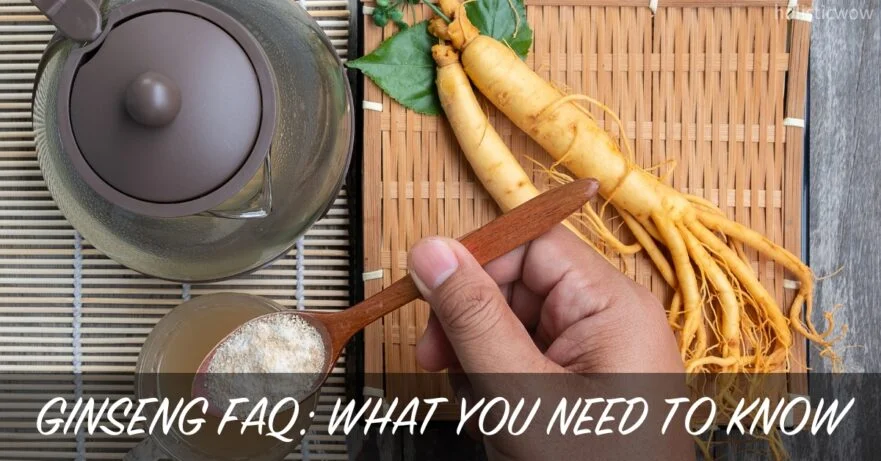
Ginseng is a prized herbal root long used in traditional medicine for its energizing, immune-boosting, and stress-relieving effects. This FAQ covers everything you’ve ever wanted to know about ginseng, from its health benefits and types to how it’s used, potential side effects, and tips for safe use.
Key Takeaways
- 🌱 Natural Energy and Stress Support: Ginseng is a traditional herbal remedy prized for helping boost energy, improve focus, and increase your body’s resilience to stress, making it a handy choice for busy households.
- 🔄 Different Types, Different Benefits: There are two main types—American and Korean ginseng—with each offering unique effects: American ginseng is calming, while Korean provides more stimulation, so you can choose one based on your personal wellness needs.
- 🔬 Science-Backed Health Perks: Early research suggests ginseng may help manage fatigue, boost your immune system, support healthy blood sugar, and reduce inflammation, although it’s best used alongside—not as a replacement for—medical advice and treatments.
- ⚠️ Use with Care and Ask Your Doctor: While side effects are rare, ginseng can interact with medications or health conditions, so start with a low dose, watch out for any changes, and consult your doctor before adding it to your routine, especially if you’re pregnant, breastfeeding, or have chronic conditions.
What Is Ginseng?
Ginseng is a plant known for its thick, fleshy root, which often resembles the shape of a human figure.
This root is highly valued in herbal and traditional medicine for a variety of potential health benefits, such as improving energy levels and promoting resilience to stress.
Ginseng contains natural compounds called ginsenosides, which are believed to be responsible for many of its effects.
These compounds may offer benefits such as supporting energy levels, helping to manage mild stress, and contributing to overall well-being, although more high-quality research is needed to confirm many of these effects.
As an adaptogen, ginseng is thought to help the body better cope with physical and mental stress, though adaptogenic effects are not yet fully established by rigorous clinical trials.
As part of a healthy lifestyle, incorporating ginseng may also aid in maintaining vitality and supporting immune health.
While more research is needed to fully understand all of its effects, ginseng has been used for centuries and continues to be studied for its possible role in supporting health.
What Are the Different Types of Ginseng?
Ginseng includes two main types used in herbal medicine: American ginseng (Panax quinquefolius) and Korean or Asian ginseng (Panax ginseng).
These two types of ginseng are distinguished by their species, geographic origin, and processing methods.
American ginseng is typically grown in North America and is usually air-dried, while Korean ginseng—also known as Asian ginseng—is grown in East Asia and is often steamed before drying, resulting in “red ginseng.”
Both types contain active compounds called ginsenosides, but the profile and relative amount of ginsenosides differ, which may lead to different effects on the body.
American ginseng is often considered more calming, while Korean ginseng may have more stimulating properties.
Choosing between these ginseng varieties can help align supplements with your specific wellness needs, whether you seek support for relaxation or additional energy.
Understanding the different types of ginseng can help you choose the one that best fits your health goals and may maximize benefits related to stress, cognitive function, or stamina.
What Is the Difference Between Wild and Cultivated Ginseng?
Wild ginseng grows naturally in forests without human involvement, developing in shaded, undisturbed woods.
This type is rare, especially due to overharvesting, and is often considered more valuable because of its age, irregular shape, and slower growth.
Cultivated ginseng is grown under controlled farming conditions, often with shade structures to mimic forest conditions.
It tends to be more uniform in appearance, grows faster, and is generally more affordable than wild ginseng.
Ginseng cultivation allows for a more consistent supply while helping to protect wild populations.
There is also a type called wild-simulated ginseng, which is planted in forest environments and grown without chemical inputs to mimic wild conditions.
While not truly wild, it may share some of the characteristics of wild ginseng in terms of growth pattern and appearance.
Both wild and cultivated ginseng contain beneficial compounds, but their levels can vary depending on growing conditions, age, and processing methods.
Wild ginseng is often sought after for its reputed potency and unique health benefits, while cultivated ginseng provides a sustainable source of these valuable adaptogenic properties.
Where Can You Find Ginseng?
American ginseng grows naturally in the temperate deciduous forests of North America.
You can mainly find wild American ginseng in the Midwest, Ozark, and Appalachian regions, where it has been harvested for generations.
In addition to wild varieties, cultivated ginseng is widely grown, especially in central Wisconsin.
Wisconsin ginseng is known for its high quality and is one of the most widely recognized and exported sources of cultivated American ginseng.
Asian ginseng, a different species, is primarily cultivated in East Asia, including countries like China and Korea.
While both American and Asian ginseng belong to the same genus (Panax), they have different ginsenoside profiles and traditional uses.
The presence of ginseng in these regions ensures accessibility for use as an herbal remedy and highlights its longstanding connection to cultural practices.
Whether wild or cultivated, ginseng continues to be a popular herbal supplement, valued for its potential health benefits, antioxidant properties, and role in traditional medicine.
How Is Ginseng Cultivated?
Ginseng cultivation relies on shade structures because the plant thrives in low-light, cool, and moist conditions that mimic forest understories.
These growing conditions are essential for healthy root development and overall plant quality.
Creating the right environment for ginseng is labor-intensive.
Farmers must carefully manage soil quality, moisture levels, and protection from pests and disease.
Because ginseng depletes nutrients and leaves behind phytochemicals that can inhibit new ginseng growth (allelopathic effects), it can typically only be grown once in a given plot of land for several decades.
Attention to these details is crucial for optimizing ginsenoside content and maximizing the health benefits derived from harvested roots.
By replicating natural forest conditions with shade structures and close attention to growing conditions, ginseng cultivation can yield high-quality roots valued for their potential health benefits, including energy support and stress resilience.
Why Is Ginseng Considered Expensive?
Ginseng is considered expensive because of its labor-intensive cultivation, strict growing requirements, and limited availability.
The plant takes several years—often 4 to 6—to fully mature, and the same land cannot be used for ginseng again for decades, adding to the time and cost of production.
In addition, ginseng requires specific environmental conditions to grow properly, making cultivation more challenging and costly.
Farmers must carefully manage soil quality, shade, and temperature, which increases labor and resource demands.
Wild ginseng is even more expensive due to its rarity and high demand.
Because wild ginseng is increasingly scarce and only harvestable from limited natural habitats, its scarcity and perceived potency drive up the price.
The lengthy cultivation cycle and intricate production process help ensure that the roots develop robust levels of active compounds that contribute to the supplement’s sought-after health benefits.
Overall, the high cost of ginseng is influenced by a combination of cultivation challenges, long growth periods, and the basic principles of supply and demand.

How Is Ginseng Used in Traditional Medicine?
Ginseng is widely used in traditional medicine, both as a single herb and within complex herbal remedies.
It is valued for its potential health benefits, including boosting energy, supporting the immune system, and helping the body adapt to stress.
As an adaptogen, ginseng may help the body maintain balance during physical or emotional stress.
In traditional medicine practices, it is often combined with other herbs in customized formulations to support overall wellness and address specific health concerns.
The use of ginseng in traditional medicine is also linked to enhanced vitality and increased resilience to the effects of aging and illness.
While more research is needed to fully understand all of its effects, ginseng continues to be a popular choice in herbal remedies due to its long history of use and promising properties.
What Are the Different Ways to Consume Ginseng?
Ginseng is available in four main forms: tea, capsules, powders, and liquid extracts.
Each method of ginseng consumption offers different benefits depending on your preferences and health goals.
Ginseng tea is a popular choice and may help support energy and focus.
Because it’s brewed in hot water, it can offer relatively good absorption of the active compounds.
Capsules and powders are convenient options often used as dietary supplements.
However, solid forms like capsules and powders may have variable absorption compared to some liquid forms, and quality can also differ between products.
Ginseng extract, typically taken as a liquid, may provide more consistent absorption than capsules or powders for certain individuals, though the evidence on absorption differences is limited.
Liquid forms may also deliver faster effects due to quicker absorption of the herb’s vital nutrients, which play a role in promoting energy and well-being.
Choosing the right form depends on your lifestyle and how your body responds.
It’s always a good idea to talk with your healthcare provider before starting any new supplement.
What Are the Health Benefits of Ginseng?
Ginseng is recognized for supporting health in several key ways, largely thanks to ginsenosides—its primary active compounds found in both American and Korean varieties.
These natural compounds may help reduce fatigue, support the immune system, and provide anti-inflammatory effects.
Some research suggests that ginseng may help stabilize blood sugar levels, which could be beneficial for people concerned about blood sugar management; however, this benefit is best discussed with your doctor, especially for those with diabetes.
Ginseng may also play a role in improving mental clarity, enhancing resilience to stress, and promoting overall wellness.
While more studies are needed to fully understand all of its effects, ginseng continues to be valued for its potential health benefits and long history of use in traditional medicine.
How Does Ginseng Affect the Immune System?
Ginseng may help support the immune system by stimulating immune cell activity, which could enhance the body’s ability to defend against infections.
Research suggests that the ginsenosides found in ginseng play a key role in these immune effects.
These compounds may help decrease the likelihood or duration of certain upper respiratory viral illnesses, such as the common cold or flu, though results in studies have been mixed and ginseng should not be relied on as a sole preventive therapy.
The immune-supportive properties of ginseng also extend to promoting overall resilience and strengthening the body’s natural defenses during stressful periods or seasonal illness.
While more studies are needed, the potential health benefits of ginseng make it a popular natural option for supporting immune health.
How Can Ginseng Help with Blood Sugar Levels?
Ginseng may help support stable blood sugar levels and could potentially lower insulin resistance, which is important for managing diabetes.
Research suggests that ginseng may offer health benefits for people with diabetes by helping the body use insulin more effectively and improving overall metabolic health.
However, ginseng may interact with diabetes medications and cause blood sugar to go too low in some people, so it’s important to consult a healthcare provider before use.
Potentially, by incorporating ginseng as part of a healthy lifestyle, you may improve glucose regulation and metabolic balance.
While more studies are needed, adding ginseng to a healthy lifestyle may be a helpful way to support blood sugar control and cardiovascular wellness.
What Are the Cognitive Benefits of Ginseng?
Ginseng supports cognitive function by potentially improving focus, attention, and short-term memory.
Some research indicates it may help enhance mental clarity and cognitive performance, possibly by influencing neurotransmitter activity in the brain, but evidence for clinical benefit, especially in conditions like dementia, is still limited and requires more study.
This herb may also boost mental endurance, helping you stay mentally sharp during periods of stress or fatigue.
Some research suggests ginseng could potentially offer health benefits for people with certain neurological conditions, but its effects are not firmly established and should not replace conventional treatment.
The brain-supporting effects of ginseng, including its reported ability to increase processing speed and reduce mental fatigue, make it an attractive herbal option for those seeking sharper mental function and improved focus.
Overall, ginseng shows promise as a natural way to support brain health and cognitive performance.
How Does Ginseng Support Energy and Reduce Fatigue?
Ginseng supports energy and reduces fatigue by providing a steady, non-jittery boost that doesn’t overstimulate the nervous system.
As a natural adaptogen, ginseng may help the body better manage physical and mental stress, which can contribute to improved energy support and reduced feelings of exhaustion.
This makes ginseng especially helpful for people dealing with chronic stress or recovering from illness, as it could potentially promote more balanced energy levels throughout the day.
Some studies have found that ginseng may reduce fatigue in certain populations, such as people undergoing cancer treatment, but more research is needed for firm conclusions.
Regular use of ginseng may support stamina and endurance, potentially enhancing physical performance and day-to-day vitality.

What Are the Anti-Inflammatory Properties of Ginseng?
Ginseng contains natural compounds called ginsenosides, which have been shown to have potential anti-inflammatory effects in laboratory and some clinical studies.
These compounds may help reduce inflammation in the body by influencing immune responses and lowering the production of certain inflammatory markers.
Because of these potential properties, ginseng may be beneficial for people dealing with chronic inflammatory conditions, such as arthritis or other long-term health issues linked to inflammation.
In addition to its possible anti-inflammatory action, ginseng is also known for other potential health benefits, including supporting immune function, improving energy levels, and promoting overall well-being.
Ginseng’s anti-inflammatory activities may contribute to improved joint health, enhancement of recovery from exercise, and greater resilience against chronic disease.
However, ginseng should not be used as a substitute for prescribed anti-inflammatory medications or treatments without medical guidance.
What Are the Possible Side Effects of Ginseng?
Possible side effects of ginseng are uncommon but can occur, especially with high dosage or long-term use.
These may include headache, trouble sleeping (insomnia), gastrointestinal upset, nervousness, or changes in blood pressure.
Allergic reactions, breast tenderness, or menstrual changes can also occur, and ginseng may lower blood sugar.
In rare cases, misuse of ginseng supplements may lead to increased risk of unwanted interactions with other medications.
People with certain health conditions—such as high blood pressure, diabetes, or hormone-sensitive conditions—should talk to their doctor before using ginseng, as it may interact with medications or affect existing health risks.
To reduce the chance of side effects, it’s best to use ginseng at the recommended dosage and for limited periods unless advised otherwise by a healthcare provider.
How Much Ginseng Should Be Taken for Optimal Benefits?
The recommended daily dosage of ginseng for most adults typically ranges from 500 mg to 3 grams, depending on individual needs and health goals.
Doses up to 6 grams per day have been used in some studies, but higher doses increase the risk of side effects and are not generally recommended without medical supervision.
It’s important to start with a lower dose and gradually increase as needed, monitoring for any adverse effects.
Personalizing your ginseng dosage can help maximize benefits such as energy support, improved focus, and overall well-being, while minimizing risks.
Ginseng is often used to support energy, focus, and overall wellness, but the health benefits can vary from person to person.
As with any supplement, it’s a good idea to talk with your healthcare provider before starting ginseng, especially if you take medications or have underlying health conditions.
How Should Ginseng Be Stored?
Dried ginseng roots and powdered ginseng require storage in a dry, low-humidity environment to help preserve their potency and prevent moisture-related spoilage.
It’s best to keep them in airtight containers, away from direct sunlight and heat.
Fresh ginseng should be stored in the refrigerator to maintain freshness and prevent it from spoiling.
Wrapping it in a paper towel and placing it in a plastic bag or sealed container can help extend its shelf life.
Proper storage of ginseng—whether dried ginseng or fresh ginseng—can help maintain its quality and effectiveness over time, supporting its health-promoting properties and safeguarding its valuable active compounds.
Herbal Preparations and Recipes for Energy and Stress Management
Herbal remedies can help improve energy levels and promote resilience to stress. Ginseng, known for its adaptogenic properties, can support the body in managing physical and mental stress. The following recipes utilize ginseng to enhance energy and overall well-being.
Always consult a healthcare provider before starting any new herbal regimen, particularly if you have existing health conditions or are taking medications.
Energizing Ginseng Tea
Ingredients:
- 1 teaspoon dried ginseng root (American or Korean)
- 1 cup boiling water
Preparation:
- Place the dried ginseng root in a teapot or cup.
- Pour boiling water over the ginseng.
- Cover and steep for 10–15 minutes.
- Strain before drinking. You can add honey or lemon for flavor, if desired.
Drink 1–2 cups daily as needed to help maintain energy and support stress resilience.
This simple ginseng tea may help boost vitality and promote a steady sense of well-being, especially during periods of increased stress or fatigue.
Warnings: Ginseng may interact with blood thinners, diabetes medications, and certain mental health medicines. Some people may experience insomnia, headaches, or digestive discomfort. If you have high blood pressure, hormone-sensitive conditions, or are pregnant or breastfeeding, consult your healthcare provider before use. Discontinue if you develop side effects.
Revitalizing Ginseng Herbal Blend
Ingredients:
- 1 teaspoon dried ginseng root (American or Korean)
- ½ teaspoon dried chamomile flowers
- ½ teaspoon dried lemon balm leaves
- ½ teaspoon dried peppermint leaves
- 1 cup boiling water
Preparation:
- Combine all the dried herbs in a teapot or infuser.
- Pour boiling water over the herbs.
- Cover and steep for 10–15 minutes.
- Strain and drink warm. Honey or lemon may be added for taste if desired.
Drink 1 cup 1–2 times daily to enhance energy and support balance during stressful days.
This herbal blend combines the energizing properties of ginseng with the relaxing effects of chamomile and lemon balm, plus the refreshing flavor of peppermint, to help maintain calm energy and reduce tension.
Warnings: Ginseng may interact with blood thinners and diabetes medications, and can cause insomnia or digestive upset in some individuals. Chamomile may trigger allergic reactions in those sensitive to plants in the daisy family, and lemon balm may cause drowsiness or interact with thyroid medications. Peppermint may worsen acid reflux in some people. Always consult your healthcare provider if you are pregnant, breastfeeding, taking medications, or have allergies.
These herbal preparations are intended to support energy and stress management but are not substitutes for medical treatment. Consult a healthcare provider before using, especially if you have health conditions or take medications.
[no_toc]