
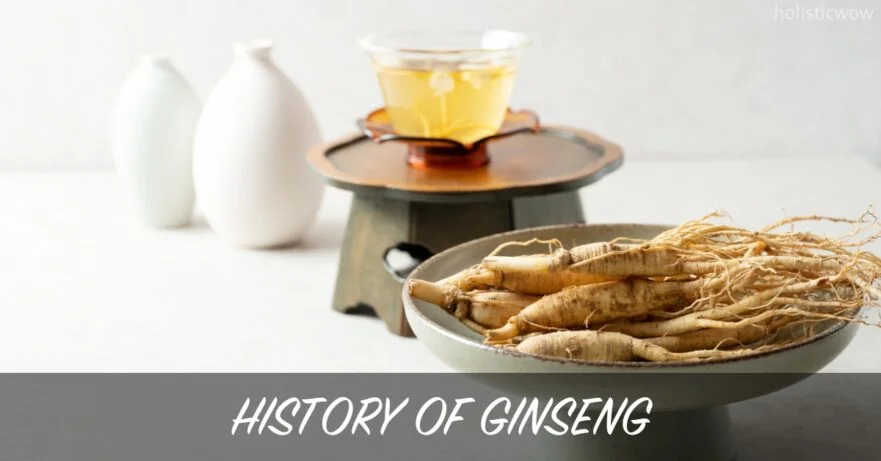
For thousands of years, ginseng has been treasured in Eastern medicine as a powerful tonic and symbol of vitality, shaping traditional health practices, cultural rituals, and the economies of China, Korea, and Japan. This article explores the rich history and enduring traditional uses of ginseng, revealing why it remains a cornerstone of herbal medicine in the East.
Key Takeaways
- 🌱 Ginseng’s Legendary Role: For thousands of years, ginseng has been a treasured remedy in Eastern medicine, valued for boosting energy, vitality, and resilience, with use often reserved for royalty and the elite in ancient times.
- 💪 Natural Energy and Balance: Traditionally, ginseng is seen as an adaptogen, helping the body handle stress and regain balance, making it a popular choice for supporting energy, immune health, and recovery from fatigue or illness.
- 🌏 Rich Cultural Heritage: Ginseng has shaped cultural traditions and health practices in China, Korea, and Japan, symbolizing longevity and wellness, and its trade strengthened connections and knowledge across East Asia.
- 🧑⚕️ Safe, Thoughtful Use: While ginseng offers potential health benefits, it’s vital to choose the right type for your needs and always discuss its use with your doctor, especially if you have health conditions or take medications.
What Is the Historical Significance of Ginseng in Eastern Medicine?
Ginseng has held a central place in Eastern medicine for over 5000 years, especially within China, Korea, and Japan.
Its recognition as a medicinal plant dates back to ancient civilizations, where it was often regarded as a panacea, or “cure-all,” and was primarily reserved for emperors and high-ranking officials.
This early exclusivity underscores its high value and symbolic importance in royal and elite health practices, while also reflecting ginseng’s pivotal role in ancient Chinese medicine.
The history of ginseng is deeply rooted in Traditional Chinese Medicine, where it was believed to support vitality, balance energy (Qi), and promote overall well-being by supporting immune strength and healthy aging.
Over time, its use expanded beyond China, becoming a key component in Korean medicine and Japanese Kampo medicine and contributing to cultural exchange between these regions.
These systems incorporated ginseng into herbal formulas that continue to influence modern ethnopharmacology, highlighting the root’s versatility in supporting resilience and wellness.
In addition to its medicinal role, the ginseng trade played a significant part in cultural and economic exchanges across East Asia, helping increase access to its health-promoting properties.
Historical texts document its cultivation, use, and value, further underscoring its lasting impact on health practices and traditional healing systems throughout the region.
How Was Ginseng Used in Ancient Civilizations?
In ancient civilizations, ginseng was valued for its healing properties and played a central role in both daily health practices and spiritual rituals.
It was considered one of the most important medicinal plants in traditional herbal therapy, becoming an essential remedy for restoring the body’s strength and aiding recovery.
Early records highlight its historical use in Asia—especially in China and Korea—where it was believed to support vitality, promote longevity, and aid in recovery from illness, often being incorporated into preparations to boost the immune system and support energy levels.
Although some legends reference ginseng-like plants in Egypt and Europe, reliable documentation of medicinal ginseng use comes primarily from East Asia, confirming the regional foundation for its therapeutic reputation.
Ginseng was often reserved for royalty and spiritual leaders, reflecting its high status and perceived benefits, including its ability to enhance resilience and stamina.
Its use in ancient times laid the foundation for its continued role in modern herbal medicine as a versatile and admired medicinal plant.
How Is Ginseng Viewed in Historical Texts?
Historical texts consistently recognize ginseng as one of the most valued medicinal plants in traditional herbal medicine.
These early medicinal texts often describe its preparation methods and highlight its role as a restorative tonic used to promote overall well-being and combat fatigue.
The Shennong Bencao Jing describes Panax ginseng as a powerful tonic that may help enhance vitality, support the immune system, and restore energy, underlining its reputation for maintaining balance and supporting longevity.
Later works, such as the Bencao Gangmu, also emphasize ginseng’s importance in traditional herbal practices across various cultures, crediting it with wide-ranging health benefits such as increased endurance and improved vigor.
What Role Did Ginseng Play in Traditional Chinese Medicine?
In Traditional Chinese Medicine (TCM), ginseng has been recognized as a foundational herb and classified as a superior tonic for over 2000 years.
It is most commonly associated with enhancing vital energy, known as Qi, and supporting overall health and resilience by promoting physical and mental balance.
TCM practitioners often include Panax ginseng in herbal prescriptions to help restore balance in the body, especially during times of fatigue, stress, or recovery from illness, leveraging its adaptogenic and immune-boosting properties.
Different ginseng varieties are used depending on the individual’s needs and the specific goals of treatment, ensuring both personalized care and the optimization of therapeutic effects.
Ginseng’s long-standing role in Traditional Chinese Medicine reflects its importance in promoting vitality and well-being across a wide range of health concerns, from energy support to recuperation and longevity.
How Did Ginseng Influence Korean and Japanese Medicine?
Ginseng shaped both Korean and Japanese medicine by becoming a fundamental component in their traditional health systems and playing a key role in preventative health practices.
It has long been valued for its potential to support energy, immunity, and overall well-being, as well as for its role in supporting stress recovery and enhancing resistance to illness.
In Korea, ginseng is called “shim” and has deep roots in local practices, with its use documented in historical texts dating back to ancient times, reflecting an enduring cultural legacy.
Historical records indicate the significance of ginseng in Korean medicine began over two thousand years ago, particularly with the start of cultivation practices, which allowed for more consistent availability of this revered tonic.
In Japanese medicine, ginseng was introduced through cultural exchange and became a key part of traditional herbal medicine, contributing to the development of Kampo formulations that promote longevity and balance.
Different ginseng varieties were used to support balance and vitality, reflecting its importance in both preventive care and treatment of deficiencies.
Today, ginseng continues to play a role in modern interpretations of traditional herbal medicine in both countries, with ongoing research exploring its potential health benefits and its capacity to help manage stress and fatigue.
What Are the Traditional Uses of Ginseng?
Traditional uses of ginseng in traditional herbal medicine focus on its reputation as a tonic and a general remedy for many conditions, notably its effectiveness in enhancing resilience to illness and improving quality of life.
Often referred to as an “herb for all ills” in Eastern medicine, ginseng has long been valued for its potential to support the body’s natural balance and resilience, acting as an adaptogen that helps people recover from physical and mental stress.
Ginseng is widely used in herbal therapy to help boost energy, improve stamina, and support overall vitality, as well as to promote mental clarity and well-being.
It is also used traditionally to support healthy aging, sexual function, and recovery from illness, but high-quality evidence for disease prevention is limited, and clinical studies on these uses are ongoing.
While animal and laboratory studies suggest additional health effects, more clinical research is needed to confirm these benefits in humans, especially with regard to precise mechanisms of action and long-term impact.
This makes ginseng a versatile component in many traditional medicinal uses, respected for its safety profile and ability to help maintain health during times of increased demand.
What Is the Cultural Importance of Ginseng in Eastern Traditions?
Ginseng holds deep cultural importance in Eastern traditions as a symbol of health, longevity, and vitality, embodying a holistic approach to wellness that remains influential today.
Its use dates back thousands of years in traditional herbal medicine, where it was valued not only for its potential health benefits but also for its role in promoting balance and well-being by enhancing energy and endurance.
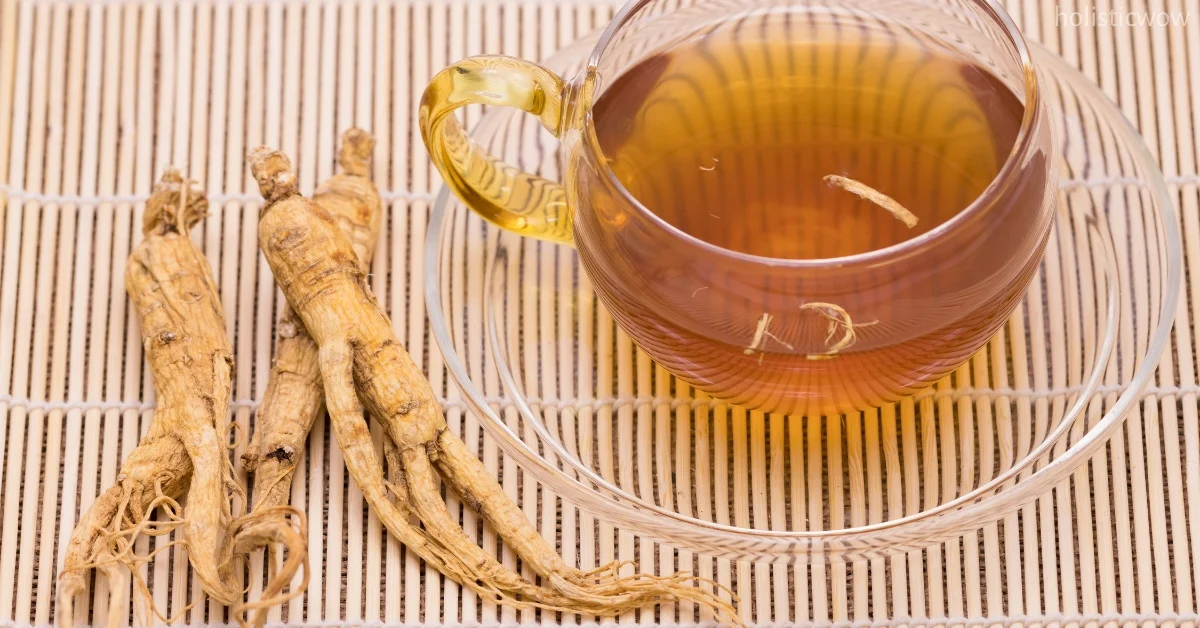
Its human-shaped root inspired the Chinese name “ren shen,” or “human root”, reflecting ancient beliefs that it could help nourish life and restore harmony in the body, emphasizing the importance of balance in wellness practices.
Ginseng has also played a role in cultural history—used in rituals, given as a treasured gift, and regarded as a powerful tonic in Eastern medicine, reinforcing its association with longevity and status.
Today, ginseng continues to be respected for its traditional uses and is often included in wellness practices aimed at supporting energy, resilience, and healthy aging, contributing to the preservation of cultural heritage and the transmission of traditional knowledge.
How Has Ginseng Trade Influenced Its Historical Use?
The ginseng trade has played a pivotal role in shaping the historical use of ginseng by enhancing its cultural, economic, and medicinal significance throughout East Asia, making it a sought-after commodity that bridged cultures.
Trade increased the availability of ginseng between regions and contributed to spreading knowledge about its uses, especially between Korea and China, leading to greater awareness of traditional health benefits and therapeutic uses.
As a highly valued commodity, ginseng was primarily exchanged between Korea and China, often traded for prestigious items such as silk, highlighting its social and economic value.
This economic activity increased its status and helped integrate ginseng into a broader range of cultural and medicinal traditions, enabling the sharing of best practices in cultivation and preparation.
Overall, the ginseng trade helped preserve and promote knowledge of its medicinal properties, making it a key part of the cultural history of herbal medicine in the region and contributing to its continued popularity in herbal therapy.
What Are the Different Varieties of Ginseng?
There are two main ginseng varieties used in herbal therapy: Asian ginseng (Panax ginseng) and American ginseng (Panax quinquefolius), each renowned for distinct effects on energy and wellness.
While both come from the Panax genus, they have different chemical compositions, which may lead to distinct medicinal uses and effects on the body, including differences in adaptogenic and calming properties.
Asian ginseng includes both white and red forms, each associated with unique health benefits like enhancing immunity and stamina.
Red ginseng is produced by steaming and drying the root, a method that alters its active compounds (ginsenosides) and is especially prized in Korean medicine for its stimulating effects, contributing to improved circulation and faster recovery from fatigue.
White ginseng is simply peeled and air-dried, which may preserve a different profile of active compounds and is considered to have a milder effect, often used to gently support resilience and vitality.
American ginseng is often used for its potential calming and cooling properties, and it may help support immune function and stress response, offering benefits for individuals with high stress or heat conditions.
Due to these chemical differences, each type of ginseng is traditionally regarded as more suitable for specific health concerns, though scientific evidence for these distinctions is still growing.
When considering herbal therapy with ginseng, it’s important to choose the variety that best matches your needs and to consult a healthcare provider, especially if you have underlying health conditions or take medications.
How Has Ginseng Been Cultivated Over the Centuries?
Ginseng cultivation began in Korea around 11 B.C. with the transplantation of wild ginseng to controlled plots, marking an early effort to ensure a sustainable source of this prized herb.
This marked the early shift from foraging to intentional farming, reflecting the root’s growing importance in traditional herbal medicine and the desire for consistent quality.
By the Joseon Dynasty, both wild and farm-grown ginseng were used, with cultivated forms providing more predictable results in herbal therapy and facilitating wider access.
However, cultivated ginseng eventually became preferred due to its more reliable and scalable supply, supporting its expanding use in herbal medicine and preventing overharvesting of wild populations.
Over time, the cultivation of ginseng evolved from small-scale efforts to more advanced commercial farming, which increased yields and improved consistency in potency and active compounds.
These modern practices aim to improve the quality, yield, and consistency of different ginseng varieties, helping to meet global demand for this valued medicinal plant and expand research into its health benefits.
This long history highlights ginseng’s enduring role in traditional and modern medicine, where it continues to be studied for its potential health benefits, including immune system support and adaptation to stress.
What Are the Key Components of Ginseng and Their Effects?
The main active components in ginseng are ginsenosides, which are a group of natural compounds that contribute to its overall chemical composition and pharmacological activity, making ginseng an effective adaptogen.
These compounds have antioxidant properties, may help regulate energy metabolism, and could potentially support cognitive function and immune health, contributing to improved stress resilience.
Ginsenosides are also considered adaptogens, meaning they may help the body adapt to physical or mental stress and foster homeostasis across body systems.
Their specific effects can vary depending on the type of ginseng and how it is processed, affecting the degree to which ginseng supports physical stamina or mental clarity.
Ginseng also contains other bioactive compounds, such as polysaccharides, peptides, and trace amounts of vitamins and minerals, which may contribute to its health effects by supporting cellular health and metabolic balance.
Overall, ginsenosides play a key role in the potential health benefits associated with ginseng, and ongoing research is focused on understanding how these components interact to promote well-being.
What Are the Medicinal Properties of Ginseng?
Ginseng is highly regarded for its wide range of medicinal properties, making it a popular choice in both traditional and modern herbal remedies for supporting immune function and overall well-being.
Its primary benefits may include boosting energy levels, supporting the immune system, and enhancing cognitive function, with additional potential to reduce physical and mental fatigue.
Research suggests that ginseng may have anti-fatigue effects, which could help improve stamina and reduce feelings of tiredness, supporting enhanced productivity and recovery from exertion.
Some studies also suggest possible benefits in blood sugar regulation and sexual function, but overall scientific evidence remains preliminary, and individual responses may vary.
Ginseng should not be used as a substitute for medical or pharmaceutical treatments, and its use should be discussed with a healthcare provider to ensure safety, especially in people with complex medical histories.
While more studies are needed to fully understand all of its effects, ginseng continues to be valued for its potential to promote overall well-being, offering support for stress management and resilience.
How Does Ginseng Function as an Adaptogen?
Ginseng acts as an adaptogen by helping the body adapt to physical and mental stress, supporting overall balance in key systems like the nervous, endocrine, and immune systems, and enhancing the body’s ability to manage external pressures.
This is thought to promote resilience to stress and support energy and stamina, although scientific evidence in humans remains limited in some areas.
By encouraging the body’s natural ability to maintain equilibrium, ginseng may support immune modulation and enhance holistic well-being, helping individuals stay well during demanding periods or environmental challenges.
Research suggests that ginseng could potentially help the body recover from stress, but benefits and responses can vary between individuals and studies, reinforcing the importance of individualized approaches in herbal therapy.
How Has Ginseng Been Used in Herbal Prescriptions?
Ginseng has been extensively used in herbal prescriptions across traditional medicine systems in China, Korea, and Japan because of its ability to boost vitality, immune strength, and overall health.
It plays a key role in traditional herbal medicine due to its wide range of potential health benefits and its compatibility with other herbs in synergistic formulas.
Practitioners commonly include ginseng as a foundational herb in multi-herb formulas to support and enhance the overall therapeutic effects, such as boosting energy, enhancing cognitive function, and improving stress tolerance.
These ginseng-containing prescriptions are often tailored to address specific health concerns, such as fatigue, immune support, or cognitive function, reflecting its versatility in both preventative and restorative care.
Its long history of medicinal uses reflects its importance in therapeutic interventions, where it is combined with other herbs to potentially improve outcomes and balance the body’s systems, solidifying its status as a cornerstone of herbal therapy.
Herbal Preparations and Recipes for Energy and Vitality
Herbal remedies have long been used to enhance energy levels and support overall vitality. Ginseng, known for its adaptogenic properties, plays a key role in promoting stamina and resilience. The following recipes utilize ginseng and other supportive herbs to help boost energy and improve well-being.
Always consult a healthcare provider before starting any new herbal regimen, especially if you have existing health conditions or are taking medications.
Ginseng Vitality Tea
Ingredients:
- 1 teaspoon dried ginseng root
- 1 cup boiling water
Preparation:
- Place the dried ginseng root in a teapot or cup.
- Pour boiling water over the ginseng.
- Cover and steep for 10–15 minutes.
- Strain and drink warm.
Drink 1 cup daily, preferably in the morning or early afternoon, for best results.
This simple tea harnesses the energizing and adaptogenic properties of ginseng, making it a great choice for those looking to enhance vitality and support the immune system.
Warnings: Ginseng can interact with blood thinners, diabetes medications, stimulants, and certain antidepressants. It may cause insomnia, nervousness, or headaches in some individuals. Avoid use in pregnancy or if you have high blood pressure unless directed by a healthcare provider. Discontinue use and consult your provider if you experience side effects.
Energizing Herbal Blend
Ingredients:
- 1 teaspoon dried ginseng root
- ½ teaspoon dried ginger root
- ½ teaspoon dried peppermint leaf
- ½ teaspoon dried lemon balm leaf
- 1 cup boiling water
Preparation:
- Combine all the dried herbs in a teapot or infuser.
- Pour boiling water over the herbs.
- Cover and steep for 10–15 minutes.
- Strain and drink warm. Add honey or lemon if desired.
Drink 1–2 cups daily, ideally before noon to avoid potential effects on sleep.
This refreshing blend combines the adaptogenic energy of ginseng with the gentle stimulation of ginger and the uplifting aroma of peppermint and lemon balm, supporting natural energy, mental clarity, and overall well-being.
Warnings: Ginseng can interact with blood thinners, diabetes medications, and stimulants and may cause nervousness or insomnia. Ginger may cause gastrointestinal upset in sensitive individuals. Peppermint can worsen acid reflux in some people. Lemon balm may have mild sedative effects—use caution if you need to remain alert. Avoid if pregnant, breastfeeding, or taking medications without consulting your healthcare provider. Monitor cumulative ginseng intake if using both this blend and Ginseng Vitality Tea.
These herbal preparations are intended to promote energy and vitality, but they are not substitutes for medical care. Consult your healthcare provider before use, especially if you take medications or have health conditions.