
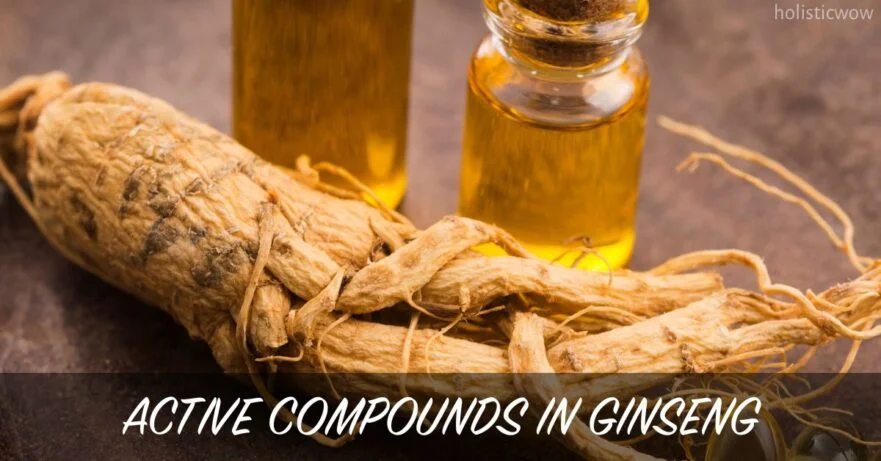
Ginsenosides are the main active compounds found in ginseng, renowned for their wide-ranging health benefits such as boosting immunity, fighting inflammation, and supporting heart, brain, and metabolic health. Discover how these powerful natural substances set ginseng apart and explain its long-standing use in traditional and modern medicine.
Key Takeaways
- 🌱 Potent Health Boosters: Ginsenosides, the main active components in ginseng, help protect your cells, boost your energy, and support your immune system, making ginseng a popular supplement for overall wellness.
- 🧠 Brain and Body Benefits: These natural compounds show promise in supporting memory, heart health, blood sugar control, and even provide potential protection against some cancers—though much of the strongest evidence comes from animal and laboratory studies.
- 💪 Immune Support & Antioxidant Power: Ginsenosides may enhance your body’s natural defenses and help shield your cells from damage caused by everyday stress and aging.
- ⚠️ Safe Use Matters: Ginsenosides are generally safe, but some people can experience side effects like stomach upset or headaches, so it’s best to use them under the guidance of your healthcare provider, especially if you take other medications.
What Are Ginsenosides?
Ginsenosides are the primary active compounds found in ginseng and are believed to be responsible for many of its therapeutic applications.
These bioactive compounds are known for their potential pharmacological properties, including antioxidation, vasorelaxation, and anti-inflammation, and they may possess anti-cancer properties observed in laboratory and animal studies, though evidence in humans is still limited.
Ginsenosides are recognized for their ability to help counteract oxidative stress, which can safeguard cellular health.
Researchers have identified about 40 different ginsenosides in various types of ginseng, including Rb1, Rg1, Rg3, Re, Rd, and Rh1.
These diverse compounds may help explain why ginseng has been widely used in traditional medicine and continues to be a popular ingredient in dietary supplements.
Their wide-ranging actions contribute to ginseng’s reputation for boosting overall vitality and supporting immune function.
How Are Ginsenosides Classified?
Ginsenosides are classified into two main groups based on their chemical structures: protopanaxadiols (PD) and protopanaxatriols (PT).
This structural diversity plays an important role in how they work in the body and the types of health benefits they may offer, such as supporting cardiovascular health and aiding metabolic processes.
The PD group includes ginsenosides such as Rb1, Rb2, Rc, Rd, Rg3, Rh2, and Rh3, while the PT group includes ginsenosides like Re, Rf, Rg1, Rg2, and Rh1.
This classification helps researchers understand differences in pharmacological effects and mechanisms of action among ginsenosides and provides insights into which forms are most effective for certain therapeutic applications.
By studying the chemical structures of ginsenosides and how they are grouped into protopanaxadiols and protopanaxatriols, scientists can explore their unique roles in supporting health and wellness, including their influence on anti-inflammatory pathways and antioxidative actions.
What Are the Chemical Structures of Ginsenosides?
Ginsenosides are triterpene saponins known for their unique chemical structures, which include a steroid-like, four-ring dammarane core.
This core structure is similar to that of certain hormones and contributes to their potential biological activity, such as hormone regulation and cell signaling modulation.
Attached to the dammarane backbone are various sugar moieties (glycosides) and hydroxyl groups.
These chemical constituents help define the specific type and function of each ginsenoside and influence overall ginsenoside content in ginseng products.
The presence and arrangement of hydroxyl groups and sugars can affect both the absorption and therapeutic effects of each ginsenoside, potentially enhancing their ability to combat oxidative damage.
This combination of structural features—dammarane core, hydroxyl groups, and sugar attachments—plays a key role in the diverse effects ginsenosides may have on the body, including their antioxidant and anti-inflammatory properties.
How Are Ginsenosides Metabolized in the Body?
Ginsenosides have low bioavailability and are poorly absorbed in the digestive tract after oral intake.
Most ginsenosides reach the intestines unchanged, where the gut microbiota play a key role in their metabolism, a process that often increases their pharmacological potency.
In the intestines, gut bacteria enzymatically transform ginsenosides into various metabolites by removing sugar units, which can lead to enhanced absorption and greater systemic effects.
These metabolites often have better absorption and are believed to contribute significantly to the pharmacological effects of ginseng, enhancing its therapeutic impact on the body.
Although the full pharmacokinetics of ginsenosides are not yet completely understood, some of their metabolites can be detected in the urine, suggesting that systemic transformation and absorption do occur and may contribute to longer-lasting health benefits.
How Do Ginsenosides Exhibit Pharmacological Properties?
Ginsenosides exhibit key pharmacological properties through several main molecular mechanisms.
They act as antioxidants by neutralizing free radicals, which may help protect cells from oxidative stress and related damage, thereby supporting cellular longevity.
These compounds also modulate nitric oxide production, which can support healthy blood vessel function and promote vasorelaxation, thus aiding cardiovascular well-being.
Additionally, ginsenosides can influence cell signaling pathways and have demonstrated anti-inflammatory effects in experimental studies, which may support immune balance and overall health benefits.
By interacting with various cellular receptors and pathways, ginsenosides help explain the diverse pharmacological properties observed in studies and their role in promoting homeostasis.

What Are the Therapeutic Applications of Ginsenosides?
Ginsenosides have a wide range of potential therapeutic applications in both clinical and traditional medicine.
These active compounds from ginseng are studied for their potential roles in diabetes treatment, supporting cardiovascular health, and offering possible anticancer effects, making them valuable for a spectrum of chronic conditions.
Research suggests that ginsenosides may help regulate blood sugar levels, making them promising for managing diabetes and metabolic health.
They also appear to support heart health by improving circulation and reducing inflammation, which may benefit people with cardiovascular disease.
In addition, some studies indicate that ginsenosides could potentially aid in cancer treatment by slowing tumor growth and enhancing the effects of certain therapies.
However, most of the evidence for these effects comes from laboratory and animal studies, with limited confirmation in large human clinical trials.
Emerging evidence also points to possible neuroprotection, suggesting they may help protect brain function and support cognitive health, broadening their use in neurological wellness.
Their diverse effects make ginsenosides valuable in a variety of therapeutic applications across modern and traditional healthcare.
How Do Ginsenosides Affect the Central Nervous System?
Ginsenosides have direct effects on the central nervous system (CNS), mainly by demonstrating potential to support learning and memory, enhance cognitive function, and offer neuroprotective effects in animal and laboratory studies.
Certain ginsenosides, such as Rg1 and Rb1, can positively influence neurotransmitter activity, contributing to improved mental clarity and resistance to neurotoxic stress.
Research suggests that ginsenosides may help protect brain cells from damage, which could be especially beneficial in conditions related to cognitive decline and certain neurodegenerative diseases, although more human studies are needed.
Their ability to support learning and memory in preclinical studies makes them a promising area of study for maintaining brain health as we age, potentially reducing the risk of cognitive impairment and supporting long-term brain resilience.
What Role Do Ginsenosides Play in Diabetes Management?
Ginsenosides may play a beneficial role in diabetes management by supporting glycemic control and improving insulin sensitivity.
These natural compounds found in ginseng help regulate glucose metabolism and support healthy pancreatic function, both key aspects of diabetes management.
They also show potential antihyperglycemic activity, which means they may help lower elevated blood sugar levels without causing hypoglycemia, and contribute to more stable energy levels throughout the day.
Additionally, ginsenosides may enhance insulin secretion, further contributing to better blood sugar regulation and potentially reducing the risk of diabetes-related complications.
Most evidence for these effects comes from preclinical and small clinical studies; larger confirmatory human studies are needed to fully validate these findings.
How Do Ginsenosides Contribute to Cardiovascular Health?
Ginsenosides may support cardiovascular health by promoting vasodilation, reducing oxidative stress, and improving endothelial function.
These bioactive compounds encourage vasorelaxation, helping blood vessels relax and improving blood flow, which can help maintain normal blood pressure and overall heart function.
Their natural antioxidant activities may also help protect blood vessels from damage caused by oxidative stress, which is linked to the development of various cardiovascular diseases.
By supporting healthy blood vessel function, ginsenosides could potentially play a role in maintaining overall heart health and reducing the risks associated with atherosclerosis.
Additional mechanisms, such as inhibition of platelet aggregation and reduction of atherosclerosis risk, have been described in experimental studies, suggesting broader circulatory health benefits.
What Are the Anticancer Effects of Ginsenosides?
Ginsenosides display potential anticancer effects in laboratory and animal studies.
They may help inhibit tumor growth through modulation of cancer-related signaling pathways and can induce apoptosis, a programmed cell death process that helps eliminate damaged or abnormal cells, thus supporting normal tissue health.
In addition to their antitumor effects, ginsenosides may also help prevent metastasis and have been shown in preclinical studies to potentially enhance the effectiveness of chemotherapy by reducing multidrug resistance in cancer cells, which could improve therapeutic outcomes.
Ginsenosides’ ability to influence cell proliferation further underscores their possible role in cancer prevention strategies.
However, human clinical evidence supporting these effects is limited at this time, and more research is necessary to confirm these promising results in clinical settings.
How Do Ginsenosides Enhance Immunity?
Ginsenosides enhance immunity through their immunomodulatory functions by promoting the differentiation and function of T-helper cells, which play a central role in coordinating immune activity and maintaining immune defense balance.
They also support cytokine modulation, helping regulate the production of signaling proteins that guide immune responses and increase resistance against infections.
This may help strengthen the body’s natural defenses, improve antimicrobial activity, and boost overall immunity, potentially reducing susceptibility to illness.
These effects have largely been demonstrated in experimental and animal studies, with limited clinical evidence in humans to date, but they highlight ginsenosides’ importance in immune support.
What Are the Antioxidant Activities of Ginsenosides?
Ginsenosides exhibit significant antioxidant activities that may help protect cells from oxidative stress and free radical damage.
These bioactive compounds, found in ginseng, have been shown in laboratory and animal studies to support the body’s defenses by scavenging harmful free radicals and enhancing the antioxidative effects of natural enzymes, promoting overall cell health.
By strengthening the body’s internal antioxidant system, ginsenosides contribute to reduced cellular aging and may help prevent a range of oxidative stress-related diseases.
Their antioxidant effects could potentially play a role in reducing cellular damage and supporting overall health, including supporting a healthy aging process.
Clinical relevance in humans requires further study to understand how these activities translate to daily health benefits.
How Are Ginsenosides Used in Traditional Medicine?
Ginsenosides are widely used in traditional medicine, primarily through ginseng root, which is taken as a tonic or dietary supplement.
Ginseng is traditionally consumed to help enhance vitality, support overall health, and may help reduce fatigue, making it popular for restoring energy and resilience during stress.
Different forms of ginseng are prepared to maximize ginsenoside content, with certain preparations believed to amplify specific benefits such as immune support and improved mental focus.
Ongoing research continues to explore their therapeutic potential and refine their applications in both modern and traditional contexts.
What Are the Potential Side Effects of Ginsenosides?
Ginsenosides are generally considered safe when used appropriately, but some individuals may experience side effects.
These potential side effects include gastrointestinal disturbances such as nausea, diarrhea, and abdominal discomfort, as well as headaches and, in rare cases, allergic reactions.
While most users tolerate these active compounds well, sensitivity varies, and side effects may be more likely in those with underlying gastrointestinal issues.
However, with long-term use or high doses, the risk of side effects may increase, so it’s important to use ginsenosides with caution, and under the supervision of a healthcare provider.
While the overall safety profile is favorable, it’s also wise to be aware of possible drug interactions, especially if you are taking other medications or have underlying health conditions.
If you’re considering ginsenosides as a supplement, talk with your healthcare provider to ensure they’re appropriate for you and to help minimize any potential side effects, ensuring a safe and beneficial experience.
Herbal Preparations and Recipes for Vitality and Immune Support
Herbal remedies can enhance overall vitality and support immune function, leveraging the restorative qualities of herbs like ginseng. Ginseng is particularly valued for its energizing and immune-boosting properties. The following recipes use ginseng and other herbs to help promote energy and strengthen your body’s natural defenses.
Always consult a healthcare provider before starting any new herbal regimen, especially if you have existing health conditions or are taking medications.
Ginseng Vitality Tea
Ingredients:
- 1 teaspoon dried ginseng root
- 1 cup boiling water
Preparation:
- Place the dried ginseng root in a teapot or cup.
- Pour boiling water over the ginseng.
- Cover and steep for 10–15 minutes.
- Strain and drink warm.
Drink 1–2 cups daily to support energy and vitality.
This simple tea harnesses the energizing and restorative effects of ginseng, making it a gentle option for those seeking a natural boost to stamina and well-being.
Warnings: Ginseng may cause insomnia, headache, or digestive upset in some individuals. Avoid use if you have high blood pressure, heart conditions, are pregnant, or have hormone-sensitive conditions. Ginseng may interact with blood thinners or diabetes medications. Discontinue use and consult your provider if you experience side effects.
Immune Boosting Ginseng Blend
Ingredients:
- 1 teaspoon dried ginseng root
- 1 teaspoon dried elderberry
- 1 teaspoon dried echinacea root
- ½ teaspoon dried ginger root
- 1 cup boiling water
Preparation:
- Combine all the dried herbs in a teapot or infuser.
- Pour boiling water over the herbs.
- Cover and steep for 15 minutes.
- Strain and drink warm. Optionally, add honey or lemon for flavor.
Drink 1 cup 1–2 times daily for periods of up to 6–8 weeks, then take a break.
This blend brings together ginseng’s energizing qualities, elderberry and echinacea’s immune-supporting benefits, and the warming comfort of ginger to help bolster your immune defenses and promote resilience during challenging seasons.
Warnings: Limit echinacea use to 6–8 weeks to reduce risk of side effects such as allergic reactions or digestive upset. Elderberry must be dried or cooked—never use raw berries. Ginseng and ginger may interact with blood thinners or medications for diabetes, blood pressure, or hormone conditions. Avoid if you are pregnant, breastfeeding, or have autoimmune disorders, unless directed by your provider. Discontinue use if you experience rash, digestive upset, or other adverse effects.
These herbal preparations are intended to complement—not replace—conventional medical care for vitality and immune support. Always consult a healthcare provider before use, especially if you have health conditions or take medications.
[no_toc]