
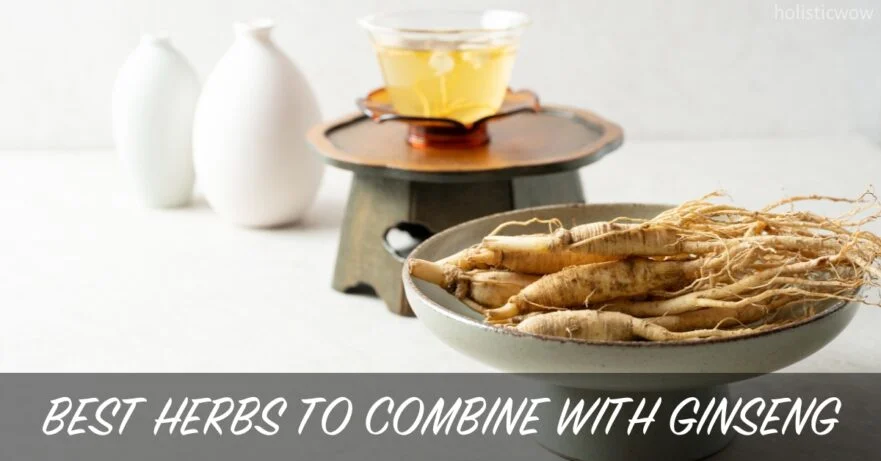
Combining ginseng with carefully chosen herbs—like astragalus, white atractylodes, and schizandra—can dramatically boost its benefits, enhancing energy, immune support, and overall vitality for maximum effect. Discover which herbal partners create the most powerful and balanced formulas for whole-body wellness.
Key Takeaways
- 💪 Powerful Herbal Synergy: Combining ginseng with other traditional herbs like Astragalus, White Atractylodes, and Schizandra can naturally support your energy levels, immune system, and overall vitality for daily life.
- 🌱 Holistic Balance & Stress Support: Thoughtful herbal combinations help your body better handle stress, balance energy, and promote long-term health as guided by traditional Chinese herbal wisdom.
- 🍵 Support for Digestion & Stamina: Herbs such as Dang Gui, Poria, and Ginger work alongside ginseng to boost digestion and physical stamina, which may help reduce fatigue and keep you feeling your best.
- ⚠️ Safety First—Ask Before You Mix: Herbal blends can have risks, like digestive upset or overstimulation, so always consult a healthcare provider before starting or combining new herbal supplements to make sure they’re right for you.
What Are the Best Herbs to Combine with Ginseng?
Some of the best herbs to combine with ginseng for maximum effect include Astragalus, White Atractylodes, Poria, Dang Gui, Rehmannia, White Peony, Polygala, Schizandra, Red Jujube Date, Cinnamon Twig, Ginger, Chinese Licorice, and Citrus Peel.
These herbs are often used in traditional herbal formulas and may work synergistically with ginseng to support energy, immune function, digestion, and overall vitality.
This type of herb-herb combination is a key principle in tonic herbalism, where carefully selected herbs are blended to enhance each other’s benefits.
When combined thoughtfully, these herbs help the body better adapt to stress, promote balance, and support long-term wellness, but evidence from rigorous clinical trials is generally limited.
You may notice improved stamina, better digestive health, and a strengthened immune response when these combinations are used as part of a consistent regimen.
What Is the Role of Tonic Herbalism in Ginseng Combinations?
Tonic Herbalism plays a key role in ginseng combinations by focusing on the holistic benefits of herbs used to support long-term health and vitality.
Rooted in Traditional Chinese Medicine, it emphasizes the balance of Jing (essence), Qi (vital energy), and Shen (spirit), which are considered important for maintaining overall well-being.
Tonic herbalism highlights the importance of adaptogenic support for stress resilience in daily life.
By combining ginseng with other tonic herbs, practitioners aim to create balanced herbal combinations that may help enhance energy, restore vitality, and support mental and emotional stability.
These formulations are designed to nourish the body’s core systems and promote resilience over time, supporting not just immediate wellness but also helping to sustain health in the long run.
Through these tonic herbal blends, you may experience increased vitality and a greater sense of balance.
How Does Traditional Chinese Medicine Use Ginseng Combinations?
In Traditional Chinese Medicine (TCM), ginseng combinations are used to support and enhance Qi (vital energy) and Blood, which are believed, according to TCM theory, to help improve energy levels and overall vitality.
These herbal formulas are also used to nourish Yin Jing (essence) and support Yang (active energy), aiming to restore balance in the body.
TCM practitioners often combine ginseng with other herbs to create balanced formulas tailored to individual needs.
These combinations are designed to promote general wellness and, according to traditional use, may help stabilize Shen (spirit or mental-emotional state); however, these effects are largely based on TCM theory and not all are supported by Western medical research.
With these comprehensive formulas, TCM aims to promote harmony between bodily systems, support mental clarity, and enhance overall resilience.
By pairing ginseng with complementary herbs, TCM practitioners aim to maximize therapeutic benefits while addressing both the root cause and symptoms of imbalance.
What Are the Adaptogenic Benefits of Combining Ginseng with Other Herbs?
Combining ginseng with other herbs may enhance its adaptogenic properties, helping the body better manage stress and support overall balance.
Adaptogens are described as substances that may help the body adapt to physical, emotional, or environmental stressors, potentially improving resilience and promoting homeostasis, although more human studies are needed to fully confirm these effects.
With enhanced adaptogenic action, many people report feeling steadier energy throughout the day and more capable of handling daily pressures.
This type of herbal combination is thought to potentially lead to increased energy, reduced fatigue, and improved mental clarity.
As an energy supplement and part of natural herbal remedies, it may also help support immune function and assist with stress reduction for some individuals, but effects can vary and large-scale clinical trials are lacking, so results are not guaranteed.
Adding other adaptogenic herbs to ginseng can potentially help improve focus, support recovery from exertion, and maintain overall well-being during challenging periods.
What Are the Immune Support Benefits of Ginseng Combinations?
Ginseng combinations may provide meaningful immune support by helping to enhance the body’s natural defenses.
When used together with other herbs like Astragalus and Schizandra, ginseng may support immune function and help the body better defend against infections.
This synergistic effect—common in herbal medicine—may help promote overall health by potentially supporting natural killer cell activity and aiding the body’s response to pathogens.
While some data support these effects in cell and animal studies, evidence in humans is not conclusive.
Many people use these herbal combinations for their potential to boost immune resilience, increase resistance to everyday illnesses, and sustain wellness throughout the year.
Adding immunomodulatory herbs to ginseng may help provide a broader spectrum of support for those seeking preventative health measures.
How Can Ginseng Combinations Improve Stamina and Digestion?
Ginseng combinations may help improve stamina by supporting healthy energy levels and potentially reducing feelings of fatigue.
These herbal combinations are often used to promote endurance and overall vitality.
By including herbs like Dang Gui and Poria, these blends can help you maintain steady energy for physical activity and daily tasks.
Herbs like Dang Gui and Poria are traditionally used to support digestion, which is believed in TCM to help the body absorb and utilize nutrients more effectively, although this claim has not been thoroughly validated by modern clinical research.
By supporting healthy digestion, these herbs may contribute to improved digestive health and energy in some individuals.
This dual-action approach may help reduce sluggishness, improve nutrient uptake, and promote more consistent energy throughout your day.
Together, these herbal combinations may support both physical stamina and digestion, helping to promote overall well-being in a natural way.
How Does Astragalus Enhance the Effects of Ginseng?
Astragalus may enhance the effects of ginseng by supporting immune function and helping to maintain healthy energy levels.
Both herbs are considered adaptogens, meaning they are thought to help the body adapt to physical and emotional stress, but human clinical data are still emerging.
Their combined use may be especially helpful for boosting energy, strengthening immune defense, and improving overall resilience during stress.
When used together in traditional herbal formulas, Astragalus and ginseng are thought to work synergistically to tonify Qi—an essential concept in traditional Chinese medicine related to life energy—and strengthen the body’s natural defenses.
This combination could potentially improve overall vitality, resilience, and immune support, especially for those looking to maintain wellness during times of stress or fatigue.
Individuals using this pairing may experience enhanced stamina, reduced susceptibility to illness, and a greater sense of daily vigor.
Can White Atractylodes and Poria Improve Ginseng’s Benefits?
Yes, White Atractylodes and Poria may help improve ginseng’s benefits by supporting digestion and enhancing nutrient absorption.
These herbs are often used in traditional herbal combinations to help balance the body and may make ginseng more effective in tonifying Qi and supporting overall energy and wellness.
By improving digestive function, this pairing can potentially optimize the bioavailability of nutrients from both food and supplements.
Including White Atractylodes and Poria in ginseng formulations could potentially lead to more comprehensive health support by supporting digestive function and, according to traditional use, helping the body make better use of nutrients from food and supplements.
Enhanced digestion can also translate to better energy levels, reduced bloating, and improved overall vitality.
What Role Does Dang Gui Play in Ginseng Combinations?
Dang Gui plays a vital role in ginseng combinations by helping to nourish the blood and support women’s health.
It complements ginseng’s energy-boosting effects, which may help improve energy levels and promote overall vitality.
Dang Gui is also valued for its traditional use in supporting hormonal balance and recovery from fatigue.
This herb is especially valued in traditional herbal formulas for those who may be experiencing fatigue or signs of blood deficiency.
By supporting blood health (mainly based on traditional use rather than robust clinical data), Dang Gui can complement the overall benefits of ginseng, particularly for promoting balance and well-being.
Used together, these herbs can provide a synergistic benefit for energy, mental clarity, and menstrual health.
How Does Rehmannia Complement Ginseng?
Rehmannia complements ginseng by nourishing Yin and supporting the body’s natural restorative processes.
In TCM, this is believed to help balance ginseng’s more stimulating properties; however, strong evidence from well-controlled clinical trials is not available.
This combination may be especially useful for individuals seeking to harmonize invigorating and restorative energies for more balanced vitality.
Together, this herbal combination offers a more balanced approach to supporting energy levels and overall vitality.
Rehmannia’s inclusion with ginseng may also support hydration, adrenal function, and recovery from chronic fatigue.
Is White Peony Effective with Ginseng?
Yes, White Peony may be effective when combined with ginseng, as it is traditionally used to support blood health and regulate the menstrual cycle; however, modern scientific evidence remains limited.
This combination is often used in traditional herbal formulas and could potentially enhance the overall vitality of both men and women.
The pairing may contribute to improved physical endurance, emotional stability, and resilience against stress.
Together, White Peony and ginseng may work synergistically to support energy levels and general well-being, making them a popular pairing in herbal approaches to health.
What Are the Benefits of Combining Polygala with Ginseng?
Combining Polygala with ginseng may help support improved mental clarity and emotional balance.
This traditional pairing is believed to offer a synergistic effect, but studies on combined use in humans are scarce.
Polygala is traditionally used to help calm the mind and may support memory and focus, while ginseng is known for its potential to boost physical energy and mental performance.
When taken together, these herbs may enhance concentration, reduce mental fatigue, and help stabilize mood.
Together, they are traditionally used to support emotional well-being and cognitive function, but more research is needed to demonstrate these benefits in clinical settings.
How Does Schizandra Work with Ginseng for Maximum Effect?
Schizandra works with ginseng to enhance their shared adaptogenic properties, providing a synergistic effect that is believed, particularly in traditional medicine, to help support the body’s ability to manage stress and overall vitality.
This powerful combination is often chosen to help boost endurance, protect against oxidative stress, and increase physical work capacity.
This combination could potentially improve energy levels, mental clarity, and physical endurance, though direct clinical evidence for these combined effects is currently limited.
For those needing support during demanding periods, the duo of Schizandra and ginseng could offer a well-rounded adaptogenic solution.
Can Red Jujube Date Boost Ginseng’s Efficacy?
Yes, Red Jujube Date may help boost ginseng’s efficacy by supporting blood health and promoting emotional well-being.
This blend is widely treasured for its traditional role in calming the mind, reducing irritability, and promoting restful sleep.
This combination is traditionally used as a tonic to support energy, vitality, and mood stability, but robust clinical evidence for these specific combined effects remains limited.
Red Jujube Date may also help with immune function and overall restorative balance.

What Effects Does Cinnamon Twig Have When Combined with Ginseng?
Cinnamon Twig, when combined with ginseng, is traditionally used to support healthy circulation and gently warm the body.
This mix may also aid in maintaining metabolic balance and promoting a sense of comfort during cold seasons.
This herbal combination is often used to address feelings of coldness or low energy, as it may help improve energy flow and a sense of vitality according to TCM theory, but these effects are not conclusively supported by modern science.
By working together, Cinnamon Twig and ginseng may offer a natural way to support the body’s balance and boost wellness, especially for those who feel sluggish or chilled.
How Does Ginger Enhance Ginseng’s Properties?
Ginger may enhance ginseng’s effects by supporting digestion and promoting healthy circulation.
This support can enable more efficient nutrient uptake and improved stomach comfort.
This combination is thought to help promote energy levels and support better nutrient absorption, although more rigorous research is needed to confirm these synergistic benefits in humans.
People often report feeling warmer, less bloated, and more energized with this herbal pairing.
What Benefits Does Chinese Licorice Bring to Ginseng Combinations?
Chinese Licorice brings natural sweetness and harmonizing properties to ginseng combinations.
It may help balance the effects of other herbs, making the overall herbal combination more palatable and easier on the digestive system.
Additionally, Chinese Licorice is renowned for its ability to moderate and unify the actions of strong herbs.
In addition, Chinese Licorice could potentially support the energy-boosting effects of ginseng, helping to enhance the overall effectiveness of the formula.
Its role in traditional herbal combinations is to promote synergy among ingredients, which may improve how the body responds to the blend.
Can Citrus Peel Improve the Effects of Ginseng?
Yes, Citrus Peel may help improve the effects of ginseng by supporting digestion and enhancing nutrient absorption.
Citrus Peel can also help regulate digestive energy, reduce bloating, and support metabolic efficiency in health formulas.
This improved absorption is theorized to boost the effectiveness of ginseng in the body, mainly based on traditional use.
This combination may lead to increased energy levels and overall vitality, making it a beneficial addition to herbal formulas that include ginseng.
What Are the Potential Risks of Herb-Herb Interactions with Ginseng?
Potential risks of herb-herb interactions with ginseng include the possibility of overstimulation or digestive upset.
These risks may be greater when multiple stimulating herbs are combined or when taken by sensitive individuals.
These adverse effects may occur when ginseng is combined with other herbs that have similar stimulating properties or affect the digestive system.
To ensure safety and reduce the risk of drug interactions or contraindications, it’s important to consider individual health conditions and consult with a healthcare professional before combining ginseng with other herbal supplements.
Professional guidance can help you use herbs effectively while minimizing potential risks.
Careful attention to dosage and compatibility can support safe, beneficial herbal combinations.
How Do Pharmacokinetic Interactions Affect Ginseng Combinations?
Pharmacokinetic interactions can affect how ginseng and other herbs are absorbed, metabolized, and eliminated from the body.
These interactions may influence the efficacy and safety of herbal medicine by changing the absorption, metabolism, or elimination of each compound.
Understanding these interactions is vital for maximizing the benefits and minimizing unwanted side effects of herbal formulas.
Understanding how ginseng combinations interact through absorption and metabolism is important, as it can help optimize their benefits and reduce the risk of side effects.
Careful consideration of pharmacokinetic interactions in herbal formulations is recommended to ensure both safety and effectiveness.
This knowledge is crucial for individuals taking other medications or seeking to avoid adverse effects.
What Are the Best Practices for Creating Herbal Formulas with Ginseng?
Best practices for creating herbal formulas with ginseng include understanding the properties of each herb, ensuring compatibility, and considering individual health needs.
Because ginseng can interact with other herbs and medications, it’s important to prioritize safety by selecting herbs that work well together and are suitable for the individual’s specific health conditions.
Attention to formulation ratios and synergy is key for maximizing wellness benefits.
Consulting with a qualified herbalist or healthcare professional is strongly recommended to help create effective and safe combinations that may enhance the potential benefits of ginseng and its accompanying herbs.
This approach helps ensure the final herbal formula is balanced, tailored, and as effective as possible.
Herbal Preparations and Recipes for Energy and Vitality
Herbal remedies can support energy levels and overall vitality, particularly when using ginseng, known for its adaptogenic properties. The following recipes utilize ginseng and other complementary herbs to enhance energy, support immune function, and promote overall well-being.
Always consult a healthcare provider before starting any new herbal regimen, especially if you have existing health conditions or are taking medications.
Ginseng Energy Infusion
Ingredients:
- 1 teaspoon dried ginseng root
- 1 cup boiling water
Preparation:
- Place the dried ginseng root in a teapot or heatproof container.
- Pour boiling water over the ginseng.
- Cover and steep for 10–15 minutes.
- Strain and drink warm.
Drink 1 cup daily to support energy and vitality.
This simple infusion harnesses the natural energizing properties of ginseng, making it an easy way to promote resilience, stamina, and improved well-being during busy or demanding times.
Warnings: Ginseng may cause side effects such as headache, insomnia, digestive upset, or increased heart rate in some individuals. It may interact with certain medications, including blood thinners, diabetes medicines, and stimulant-containing drugs. Avoid use if you are pregnant, breastfeeding, or have hormone-sensitive conditions unless advised by a healthcare provider. Discontinue if you experience any unusual symptoms.
Revitalizing Ginseng Herbal Blend
Ingredients:
- 1 teaspoon dried ginseng root
- 1 teaspoon dried astragalus root
- ½ teaspoon dried ginger root
- ½ teaspoon dried schisandra berries
- 1 cup boiling water
Preparation:
- Combine all the dried herbs in a teapot or infuser.
- Add boiling water and steep for 15 minutes.
- Strain and drink warm. You may add a little honey or lemon for taste if desired.
Drink 1 cup once or twice daily for ongoing vitality and immune support.
This herbal blend combines ginseng, astragalus, ginger, and schisandra to help increase energy, support immune health, and promote adaptability to stress, making it a nourishing choice for overall resilience.
Warnings: Ginseng, astragalus, ginger, and schisandra may cause side effects such as digestive upset or allergic reactions in sensitive individuals. These herbs can interact with blood thinners, diabetes medications, blood pressure medications, and immune-suppressive drugs. Not recommended during pregnancy or breastfeeding unless directed by a provider. Consult your healthcare provider if you have chronic health conditions, are taking medications, or experience any adverse effects.
These herbal preparations are intended to complement, not replace, standard care for supporting energy and vitality. Consult a healthcare provider before use, especially if you have health conditions or take medications.
[no_toc]