
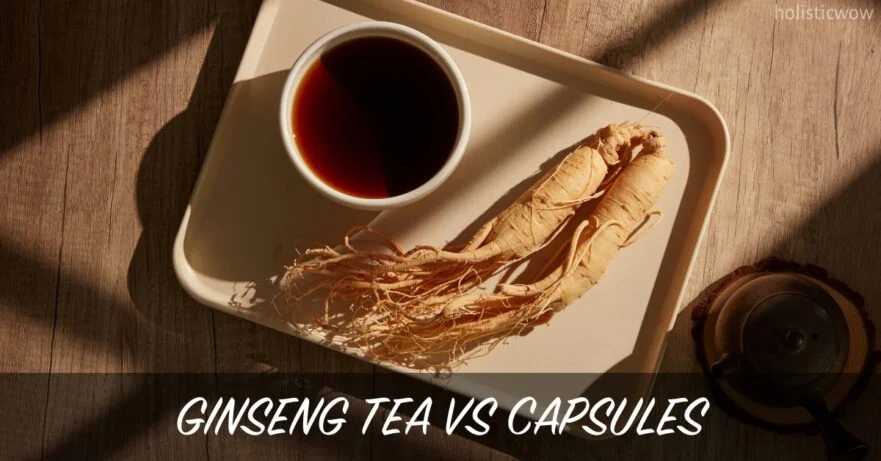
Ginseng tea and ginseng capsules both offer powerful health benefits, but they differ in how they’re prepared, the strength of their active ingredients, and how convenient they are to use. Understanding the key differences between ginseng tea and capsules can help you decide which form is more effective for your wellness goals.
Key Takeaways
- 🍵 Tea vs. Capsule – Different Experience, Different Strength: Ginseng tea offers a soothing and natural boost with a pleasant ritual, while capsules provide a quick, consistent, and more precise dose—making it easier to get the same amount every time.
- 🧠 Supports Mind and Body: Both forms of ginseng can help enhance your energy, support your memory, and strengthen the immune system, but keep in mind that results may vary and more research is still needed.
- 🩺 Safety First—Mind the Medications: Ginseng can interact with some medicines, like blood thinners and diabetes drugs, so it’s important to check with your doctor before you start, especially if you have health conditions or take prescriptions.
- ⚖️ Dosage Matters for Best Benefits: If you want reliable effects, capsules make it easier to control your intake, but whichever form you choose, always follow the directions and avoid large or prolonged doses to prevent unwanted side effects.
What Are the Main Differences Between Ginseng Tea and Capsules?
Ginseng Tea and Ginseng Capsules are both popular forms of herbal supplements, but they differ in how they’re prepared, how much active ingredient they deliver, and how precisely the dose can be measured.
Ginseng Tea is made by brewing slices or shavings of the ginseng root in hot water.
This method offers a more natural extraction of the plant’s compounds, but the strength of the tea can vary depending on how it’s prepared, and the actual amount of active ingredient you receive may be less predictable compared to capsule form.
Ginseng Tea may provide a soothing ritual and deliver a broader profile of beneficial plant compounds, which can promote relaxation and offer gentle support for daily wellness.
Ginseng Capsules, on the other hand, contain powdered ginseng root or a concentrated extract.
As a dietary supplement, capsules provide a more consistent and standardized dose, which may be helpful if you’re looking for more predictable results.
This consistency can be especially valuable for those aiming to maximize the health benefits of ginseng, such as increased energy and immune support.
The choice between tea and capsules often depends on your personal health goals, taste preferences, and how convenient you want your supplement routine to be.
Both forms can be part of a healthy lifestyle when used appropriately and offer unique advantages for supporting overall vitality.
What Role Do Ginsenosides Play in Ginseng Products?
Ginsenosides are the main active compounds in ginseng products.
These triterpene saponins are believed to be responsible for many of ginseng’s health benefits.
Ginsenosides have antioxidant and anti-inflammatory properties, which may help protect cells from damage and support overall wellness.
They also play a role in blood sugar regulation, which could potentially benefit people managing glucose levels.
Additionally, ginsenosides are involved in supporting immune system health, enhancing the body’s defense against stress and promoting cellular recovery.
In addition, ginsenosides may support cognitive function.
Some types have been studied for their potential to enhance certain aspects of mental performance and may offer protective effects for nerve cells, but more research is needed in humans to confirm these benefits.
The concentration of ginsenosides can vary depending on the form of ginseng, such as tea or capsules, which may influence their effects and the degree of health benefits you receive.
How Does Ginseng Tea Benefit Health?
Ginseng tea offers a range of potential health benefits thanks to its ginsenosides, antioxidants, and adaptogenic properties.
Drinking ginseng tea may help support immune system health, provide an energy boost, enhance cognitive function, and reduce inflammation.
Its antioxidants play a key role in protecting against cellular damage, and the adaptogenic effects may help the body better manage physical and emotional stress.
It also contains compounds that may help protect cells from oxidative damage, which can contribute to overall wellness.
By promoting resilience to daily stressors, ginseng tea may help improve mood and stamina.
However, the evidence for these benefits comes mostly from laboratory or animal studies, and more high-quality human studies are needed.
The specific effects can vary depending on the type of ginseng used and how the tea is prepared.
What Are the Health Benefits of Ginseng Capsules?
Ginseng capsules provide a concentrated dose of ginseng’s active compounds, offering a convenient and consistent way to support various health goals.
They allow for precise dosing, which may help ensure more reliable results over time.
Key health benefits may include an energy boost, improved cognitive function, and support for a stronger immune system.
Ginseng capsules may also help regulate blood sugar, which is especially valuable for individuals monitoring glucose levels.
Ginseng has also been studied for its potential role in blood sugar regulation and inflammation reduction, which could contribute to overall wellness.
Their concentrated nature can be beneficial for those seeking targeted health benefits such as mental clarity and enhanced vitality.
It is important to note that while these benefits are promising, not all claims are fully supported by large-scale human studies.
While individual results can vary, many people use ginseng capsules as part of a daily routine to help maintain energy, focus, and immune health.
How Do Ginseng Tea and Capsules Affect Cognitive Function?
Ginseng tea and ginseng capsules may help support cognitive function by delivering active compounds called ginsenosides.
Recent interest in ginseng’s role in mental performance highlights its potential to promote alertness and support clearer thinking.
Some clinical studies have shown that ginseng may help support aspects of memory and attention, although results are mixed and more research is needed.
Ginsenosides may help improve blood flow to the brain, contributing to better cognitive performance and supporting mental sharpness during periods of stress.
Ginseng tea offers a more gradual effect, making it a good option for daily support.
In contrast, ginseng capsules contain more concentrated doses, which could potentially provide quicker and more noticeable benefits for mental performance.
Both forms may be useful for maintaining cognitive resilience and reducing mental fatigue associated with busy lifestyles.
However, individual response varies and ginseng should not be considered a substitute for medical treatment of cognitive disorders.
How Do Ginseng Tea and Capsules Support the Immune System?
Ginseng Tea and Ginseng Capsules both support the immune system through their potential immune-enhancing properties, primarily due to ginsenosides and other active compounds found in the ginseng root.
Regular intake may help support immune system health by promoting the activity of certain immune cells and improving the body’s resilience against infections.
These immune-boosting effects may help reduce the duration or severity of common colds and contribute to better overall health.
Ginseng can also enhance the body’s natural defenses, helping you recover more quickly from illness and stay resilient during periods of physical or emotional stress.
However, while some studies suggest benefits on immune function, not all research in humans has shown clear effects, and ginseng should not be used as a sole preventive measure against infections.
The health benefits can vary depending on the concentration and dosage of ginseng used in each form, so choosing a high-quality product and following recommended guidelines is important.
What Are the Antioxidant Benefits of Ginseng Tea and Capsules?
Ginseng tea and ginseng capsules provide antioxidant benefits due to compounds like ginsenosides and other plant-based antioxidants.
These antioxidants may help protect the body from oxidative stress by neutralizing free radicals.
By minimizing cellular damage, antioxidants in ginseng may help slow the aging process and support long-term heart health.
Both ginseng tea and capsules are rich in antioxidants, which can support overall health and may contribute to inflammation reduction.
Consuming antioxidants from ginseng products may also play a role in reducing the risk of chronic diseases by supporting the body’s natural defense systems.
Ginseng capsules may offer a higher concentration of specific antioxidants, potentially enhancing their health benefits.
It is important to note that while antioxidants play a role in reducing the risk of chronic disease, the direct impact of ginseng supplementation on disease prevention in humans is still being researched.
How Do Ginseng Tea and Capsules Help with Blood Sugar Regulation?
Ginseng Tea and Ginseng Capsules may help with blood sugar regulation by improving insulin sensitivity and supporting healthy glucose metabolism.
This effect is largely due to ginsenosides, the active compounds in ginseng, which may help the body use insulin more effectively.
Ginseng’s ability to help stabilize blood sugar offers potential benefits for individuals aiming to manage diabetes or prevent blood sugar spikes.
Both forms offer health benefits, but Ginseng Capsules may provide more precise dosing, which could potentially lead to more consistent results in managing blood sugar levels.
Ginseng’s impact on pancreatic function may also support metabolic wellness and reduce the risk of developing complications related to high glucose.
Clinical studies have shown some positive effects of ginseng on lowering blood sugar in people with diabetes, but results are variable and ginseng should not replace standard diabetes management.
While more research is needed, incorporating ginseng into your routine—whether as tea or capsules—may be a helpful addition to a healthy lifestyle aimed at supporting blood sugar balance.

What Are the Energy Boosting Properties of Ginseng Tea and Capsules?
Ginseng Tea and Ginseng Capsules both offer an energy boost thanks to their adaptogenic properties, which may help the body better manage stress and fatigue.
Ginseng is popular among those looking to enhance stamina and increase vitality naturally.
Ginseng Tea provides a more gradual energy boost, making it a good option for sustained support throughout the day.
Its slower absorption may help maintain steady energy levels without overstimulation.
With regular use, ginseng tea can support endurance and productivity, making daily tasks feel more manageable.
Ginseng Capsules, on the other hand, often deliver a quicker energy boost due to their more concentrated dosage.
This form may be helpful when you need a more immediate lift in energy or mental alertness.
Both forms can support overall vitality and may help reduce fatigue, but the effects tend to be modest, and well-designed studies in humans are still limited.
People with underlying health conditions or those sensitive to stimulants should use caution, as ginseng may cause insomnia or other side effects in some individuals.
How Do Ginseng Tea and Capsules Contribute to Inflammation Reduction?
Ginseng Tea and Ginseng Capsules may help with inflammation reduction thanks to their natural anti-inflammatory properties, primarily from compounds called ginsenosides.
These compounds have been shown to influence certain inflammatory pathways in the body, which may help lower levels of inflammation markers.
Regular use of ginseng may decrease the risk of chronic inflammatory conditions and promote faster recovery after physical strain.
Both forms offer unique health benefits.
Ginseng Tea provides a gentler, more gradual effect that may support overall wellness, while Ginseng Capsules deliver a more concentrated dose that could potentially offer more targeted relief for those managing chronic inflammation.
Supporting your body’s natural anti-inflammatory response may lead to improved joint comfort and reduced soreness from exercise or daily activities.
While more research is needed to fully understand the extent of these effects, current evidence suggests that incorporating ginseng into your routine may support the body’s natural response to inflammation.
However, ginseng should not be used as a substitute for medical treatment of chronic inflammatory diseases.
Should You Choose Ginseng Tea or Capsules for Cancer Prevention?
Both Ginseng Tea and Ginseng Capsules contain active compounds, especially ginsenosides, that have been studied for their potential in cancer prevention, but there is currently not enough evidence from high-quality human studies to recommend ginseng as a primary means of cancer prevention.
Ginseng’s antioxidant and adaptogenic properties may help protect cells from DNA damage or modulate immune responses that are involved in cancer development.
While research is ongoing, some studies suggest these natural compounds could potentially offer protective health benefits against certain types of cancer, but no definitive conclusions can be made at this time.
Ginseng may play a supportive role in overall wellness routines aimed at reducing cancer risk, such as maintaining immunity and promoting cellular health.
The choice between tea and capsules depends on personal preferences for taste, convenience, and how you prefer to manage your daily routine.
Some people enjoy the calming ritual of drinking Ginseng Tea, while others may prefer the simplicity and consistent dosing of Ginseng Capsules.
Ultimately, incorporating ginseng into your wellness routine—whether as tea or capsules—may offer potential health benefits, but it should not replace evidence-based cancer prevention strategies such as screening, vaccination, and maintaining a healthy lifestyle.
What Are the Potential Side Effects of Ginseng Tea and Capsules?
Ginseng tea and ginseng capsules are generally considered safe for most healthy adults, but both forms may cause side effects, particularly when taken in high doses or over long periods.
Common side effects include insomnia, headaches, and digestive issues.
These can be more common with higher doses, especially in sensitive individuals or those new to herbal supplements.
Other possible adverse effects may include nervousness, changes in blood pressure, or allergic reactions in some individuals.
These side effects are usually mild, but they can vary depending on the person and the amount consumed.
In rare instances, ginseng may trigger hormonal changes or affect heart rate, particularly for those with preexisting health concerns.
Rare but serious side effects have been reported, such as severe allergic reactions, especially with high-dose ginseng extracts.
It’s important to talk with your healthcare provider before starting ginseng, especially if you have underlying health conditions or take medications, as there may be contraindications.
How Do Ginseng Tea and Capsules Interact with Other Drugs?
Ginseng Tea and Ginseng Capsules contain active compounds that may affect how certain medications work in the body.
These drug interactions can potentially increase the risk of side effects or reduce the effectiveness of your medications.
Combining ginseng with blood thinners could raise the risk of bleeding, while interactions with diabetes drugs may disrupt blood sugar management.
In particular, ginseng may interact with blood thinners, such as warfarin, and diabetes medications, possibly altering blood clotting or blood sugar levels.
These drug-drug interactions could lead to unexpected changes in your health.
People taking psychiatric medications or immune-suppressing drugs should be especially cautious due to possible interactions with ginseng’s active compounds.
Ginseng may also interact with certain antidepressants, immunosuppressants, and stimulant medications.
To ensure safety, it’s important to talk with your healthcare provider before using ginseng products, especially if you take prescription medications.
A medical professional can help you understand any potential risks and guide you on safe use.
What Are the Considerations for Dosage Accuracy in Ginseng Tea and Capsules?
Dosage accuracy is a critical difference between Ginseng Tea and Ginseng Capsules.
Ginseng Capsules provide a standardized and precise dose, making it easier to track and monitor your intake for more consistent results and potential health benefits.
This reliability may be especially important for people using ginseng to support chronic health issues or optimize daily energy.
In contrast, the strength of Ginseng Tea can vary depending on how it’s prepared, which may make it harder to ensure consistent dosing.
Variability in brewing practices can lead to unintended under- or over-consumption of active compounds.
For individuals looking to support specific health goals, Ginseng Capsules may be preferred for their reliability and ease of monitoring.
Regardless of form, it’s important to follow manufacturer instructions or work with a healthcare provider to determine an appropriate dose, as excessive intake may increase the risk of side effects.
How Do Ginseng Tea and Capsules Fit into Traditional Chinese Medicine?
In Traditional Chinese Medicine (TCM), ginseng is a foundational herbal medicine used to promote vitality, balance, and overall well-being.
It is often chosen for its potential energy support and ability to help the body adapt to stress.
Ginseng Tea and Ginseng Capsules represent different ways to incorporate this herb into daily routines.
While both forms are used in TCM, the choice often depends on personal preference, lifestyle, and specific health goals.
Tea may offer a more traditional, soothing experience, while capsules provide a convenient option for consistent dosing.
Both forms are valued in Traditional Chinese Medicine for their potential to support energy and resilience, especially when tailored to an individual’s unique needs.
Ginseng is also thought to replenish qi (energy) and strengthen primary organ systems according to herbal medicine principles.
It’s important to consult with a practitioner familiar with TCM and modern herbal safety, especially when combining herbal remedies with conventional medicine.
Herbal Preparations and Recipes for Energy and Immune Support
Herbal remedies can help enhance energy levels and support the immune system. Ginseng, known for its adaptogenic properties, can be particularly effective in promoting vitality and resilience. The following recipes utilize ginseng to provide energy and immune support.
Always consult a healthcare provider before starting any new herbal regimen, especially if you have existing health conditions or are taking medications.
Energizing Ginseng Tea
Ingredients:
- 1 teaspoon dried ginseng root (sliced or shredded)
- 1 cup boiling water
Preparation:
- Place the dried ginseng root in a teapot or cup.
- Pour boiling water over the ginseng.
- Cover and steep for 10–15 minutes.
- Strain and drink warm. Add honey or lemon for flavor if desired.
Drink 1–2 cups daily to support natural energy and overall vitality.
This tea offers a gentle way to boost energy levels and support immune health, especially during times of fatigue or stress.
Warnings: Ginseng may cause mild side effects such as insomnia, headache, or stomach upset in sensitive individuals. It can interact with blood thinners, diabetes medications, and certain other prescriptions. Avoid use if you are pregnant, breastfeeding, or have hormone-sensitive conditions without medical supervision. Discontinue use if you experience any adverse effects.
Revitalizing Ginseng Herbal Blend
Ingredients:
- 1 teaspoon dried ginseng root (sliced or shredded)
- ½ teaspoon dried ginger root
- ½ teaspoon dried peppermint leaves
- ½ teaspoon dried lemon balm leaves
- 1 cup boiling water
Preparation:
- Combine all the dried herbs in a teapot or infuser.
- Pour boiling water over the herbs.
- Cover and steep for 10–15 minutes.
- Strain and drink warm. Sweeten with honey or add lemon if desired.
Drink 1 cup, 1–2 times daily to help maintain balanced energy and encourage immune function.
This herbal blend combines adaptogenic, digestive, and calming herbs to enhance energy, support resilience, and promote overall wellness.
Warnings: Ginseng may interact with blood thinners, diabetes medications, and other drugs, and may cause insomnia or digestive discomfort. Ginger can also affect blood clotting and may cause mild digestive upset. Peppermint may worsen acid reflux in some people. Lemon balm can cause drowsiness and may interact with sedatives or thyroid medications. Avoid use during pregnancy, breastfeeding, or with hormone-sensitive conditions without professional guidance. Consult your healthcare provider before use, especially if you have chronic conditions or take prescription medications.
These herbal preparations are intended to complement a healthy lifestyle for energy and immune support, but should not replace conventional medical treatments. Always consult a healthcare provider before beginning any new herbal regimen, especially if you have health conditions or are taking medications.
[no_toc]