
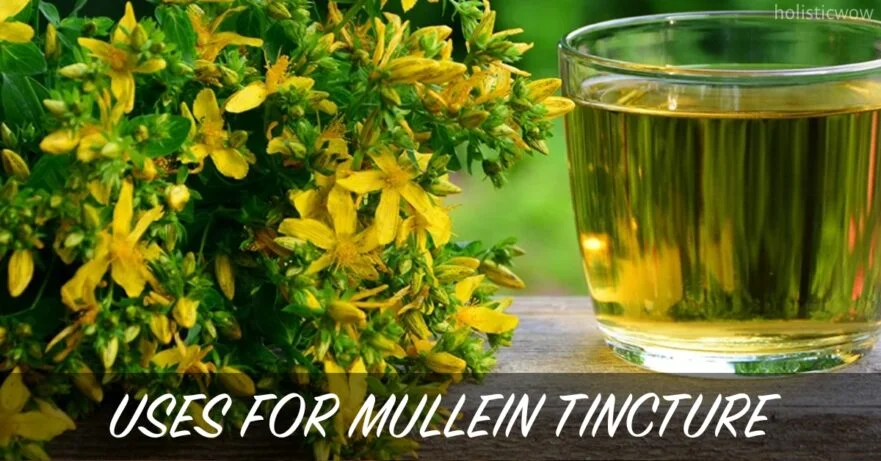
Mullein tincture is a traditional herbal remedy widely used for its benefits in supporting respiratory, skin, digestive, and emotional health, thanks to its soothing, anti-inflammatory, and expectorant properties—although scientific evidence is still limited. People commonly turn to mullein tincture for natural relief from coughs, congestion, mild skin issues, and occasional stress.
Key Takeaways
- 🌬️ Natural Respiratory Support: Mullein tincture is widely used to help with coughs, congestion, and mild respiratory problems by soothing airways and making mucus easier to clear, bringing comfort during coughs and colds.
- 🧴 Gentle Skin and Wound Care: Applied to the skin, mullein tincture may help soothe irritation, reduce inflammation, and support healing in minor wounds, burns, and common skin conditions like eczema or acne.
- 💧 Easy Preparation and Usage: You can make mullein tincture at home using mullein leaves and flowers soaked in alcohol, and take it by mouth or diluted in drinks—just start with a low dose and watch for your body’s reaction.
- ⚠️ Safety First for the Family: While usually safe, always check with your doctor before using mullein tincture—especially if pregnant, breastfeeding, have allergies, or take other medicines—to avoid unwanted reactions and stay healthy.
What Are the Uses of Mullein Tincture?
Mullein tincture is traditionally recognized for supporting respiratory health, particularly in easing conditions like coughs, colds, asthma, and bronchitis.
Its expectorant and antitussive properties may help clear mucus and soothe irritated airways, making it a popular herbal remedy for various respiratory problems.
While scientific evidence is still limited, some laboratory and early animal studies suggest mullein may have mild activity against certain bacteria and viruses, though more human research is needed to confirm these effects.
The topical use of mullein tincture is valued for its anti-inflammatory and soothing effects, which may support the healing of minor burns, wounds, and skin conditions such as eczema and acne.
These properties may also help reduce inflammation and discomfort in musculoskeletal injuries, offering some relief from pain by addressing localized swelling.
Mullein tincture is also used in traditional herbal medicine for emotional support.
Its mild calming effects may help ease symptoms of stress or anxiety, promoting a sense of relaxation and emotional balance, though these benefits are based more on historical use than strong clinical evidence.
In some cases, mullein tincture has also been used to support digestive health, assisting with gastrointestinal comfort and soothing digestive tract irritation, though more research is needed to confirm its effectiveness for digestive issues.
While many of these uses are rooted in traditional practices, mullein tincture continues to be explored for its potential benefits in managing inflammation, skin conditions, emotional well-being, and supporting overall respiratory function.
How Is Mullein Tincture Prepared?
Mullein tincture preparation begins with selecting either dried or fresh mullein leaves and flowers, which are then placed in a clean glass jar.
High proof alcohol, such as vodka, is poured over the plant material until fully submerged, allowing for effective extraction of active constituents.
The jar is sealed and left to infuse for at least 4 weeks, with gentle shaking every few days to enhance the process.
This process, called maceration, allows the alcohol to extract beneficial compounds from the common mullein (Verbascum thapsus), including flavonoids, mucilage, and saponins; iridoids are present in mullein, but not all tinctures may contain them depending on extraction methods.
After the infusion period, the liquid is strained to remove the solid plant material, resulting in a concentrated mullein extract.
This alcohol infusion preserves valuable plant compounds, maintaining potency for herbal preparations and supporting long-term storage.
This type of preparation is common in herbal practices and may help preserve the active components for use in natural wellness routines, maximizing the bioavailability of mullein’s key constituents.
What Are the Recommended Dosage and Administration Methods for Mullein Tincture?
The recommended dosage for mullein tincture depends on factors like age, overall health, and the specific product formulation.
Always follow the dosing directions on the supplement label and consult a qualified healthcare provider for personalized advice, especially when using it for respiratory issues, digestive discomfort, or skin conditions.
Mullein tincture is typically taken orally.
The liquid is measured in dropperfuls and taken directly, or it can be added to water, tea, or juice to make it easier to consume, offering flexible options for daily dosing.
As with any herbal dietary supplement, it’s best to start with a lower dose to assess your body’s response, as safety and optimal dosage have not been well-established in large clinical studies.
Increase only as recommended on the product label or by a healthcare professional to minimize risks and maximize benefits.
These overall dosage guidelines can help support safe and effective use, but individual needs may vary, helping users tailor their regimen for optimal wellness and respiratory support.
What Are the Safety Precautions and Potential Side Effects of Mullein Tincture?
Mullein tincture is generally considered safe for most adults when used as directed.
However, because the quality of herbal supplements can vary, and individual responses may differ, it’s important to take certain safety precautions.
Consult a healthcare professional before using mullein tincture, especially if you are pregnant, breastfeeding, managing a chronic medical condition, or have a known allergy to plants in the Scrophulariaceae family.
This helps reduce the risk of an allergic reaction or potential drug interactions, promoting safer integration with other medications or supplements.
The most commonly reported side effects of mullein tincture are mild and may include gastrointestinal discomfort or skin irritation if applied topically, ensuring that most people can use it without serious complications.
Severe adverse reactions are rare but possible—especially in individuals with specific sensitivities, allergies, or when combined with medications—so medical guidance is important before starting use.
As with any herbal supplement, using mullein tincture under the guidance of a healthcare provider may help ensure safe and effective use, while offering peace of mind to those seeking natural respiratory or skin support.
How Does Mullein Tincture Benefit Lung Health?
Mullein tincture may support lung health through its gentle effects on the respiratory system.
It contains mucilage, a plant compound known for its soothing action on the mucous membranes lining the airways, creating a calming effect for irritated tissue.
This demulcent property can help reduce irritation, making it more comfortable to breathe—especially during episodes of cough or congestion, acting as a gentle defense for the airways.
In addition, mullein tincture has natural expectorant properties, which may help loosen and clear mucus from the lungs, thereby enhancing oxygen exchange.
While these traditional uses are widely reported, there is limited direct clinical evidence in humans confirming mullein tincture’s benefit for lung health, so it should not replace medical treatment for respiratory illness.
This can promote better respiratory function and provide respiratory support, particularly for individuals managing conditions like asthma or bronchitis.
By soothing the airways and encouraging mucus clearance, mullein tincture continues to be valued in herbal medicine for its role in supporting bronchial wellness, clearing congestion, and overall lung health.
What Are the Respiratory Benefits of Mullein Tincture?
Mullein tincture is known for providing specific respiratory benefits, especially for people experiencing coughs, colds, or other mild respiratory conditions.
It may help soothe irritation in the throat and lungs, which can ease discomfort during illness and improve everyday breathing.
Thanks to its natural antitussive and expectorant properties, mullein tincture may help reduce coughing frequency and support mucus relief by promoting the clearance of mucus from the airways, aiding in faster recovery from minor ailments.
These effects are based mainly on traditional use and preliminary studies; robust clinical evaluation in humans is still lacking.
These effects can offer gentle, plant-based cough relief, help minimize the urge to cough, and support overall respiratory comfort.

How Can Mullein Tincture Help with Respiratory Conditions?
Mullein tincture may help with respiratory conditions by easing common symptoms like cough and congestion, allowing for more comfortable, unobstructed breathing.
Its natural expectorant properties are believed to help thin and loosen mucus—although strong clinical trials are lacking—making it easier to clear from the lungs and aiding in the removal of respiratory secretions.
In addition, the tincture’s mild anti-inflammatory effects are primarily based on laboratory research and traditional use, but may help reduce irritation and swelling in the airways, including the trachea, larynx, and bronchi.
It is important to note that evidence in people with asthma or bronchitis is limited, and mullein tincture should not be used as a substitute for prescribed therapies.
This can provide relief for conditions such as asthma and bronchitis and may contribute to improved air passage and reduced breathing difficulty for mild symptoms.
What Are the Anti-inflammatory Properties of Mullein Tincture?
Mullein tincture delivers anti-inflammatory benefits thanks to its active plant compounds.
It contains flavonoids, saponins, and other antioxidants that may help reduce inflammation by modulating the body’s response to injury or irritants in laboratory settings and traditional use, which may also offer protective effects against oxidative stress.
When applied topically, the tincture may help soothe irritated skin and support healing in minor wounds, burns, or inflammatory skin conditions like eczema; evidence in large clinical trials is not available.
Its use in herbal medicine also suggests potential pain relief for joint discomfort, such as in arthritis, providing natural support for those with chronic inflammation.
However, reliable clinical evidence for these anti-inflammatory and analgesic properties in humans is limited.
What Are the Antimicrobial Effects of Mullein Tincture?
Mullein tincture has antimicrobial properties that have been demonstrated in laboratory studies and may potentially support the body’s natural defenses against bacterial and viral infections.
Some research suggests that mullein extract can slow the growth of certain bacteria and viruses in vitro, but the effectiveness of mullein tincture in treating infections in humans is unproven.
These antibacterial and antiviral effects are why mullein is sometimes included in herbal remedies like ear oils, particularly for mild ear discomfort or minor ear pain, potentially contributing to faster recovery in minor cases.
Although small studies and traditional use support its inclusion, mullein should not be used as a substitute for standard medical treatments for infections, especially ear infections in children.
While more studies are needed to confirm its effectiveness, mullein remains a popular choice in traditional approaches to wellness and provides a natural adjunct to conventional infection management.
How Does Mullein Tincture Support Skin Health?
Mullein tincture may support skin health through its historically recognized anti-inflammatory and antimicrobial properties, which are believed to help soothe irritation and promote healing.
It is commonly used in topical applications for skin conditions such as eczema, acne, and rashes, providing gentle, plant-based symptom relief.
When applied to the skin, mullein tincture may help reduce redness and discomfort by delivering active plant compounds directly to affected areas, while also assisting the skin’s natural repair mechanisms.
It may also support the healing of minor wounds, burns, and other skin irritations by calming inflammation and possibly helping to prevent infection, thereby encouraging faster recovery.
However, large-scale studies in humans confirming these effects are not available, so it is best to use it as a complementary option for skin support.
How Can Mullein Tincture Be Used for Digestive Issues?
Mullein tincture may help with digestive issues such as diarrhea, by targeting discomfort and soothing irritated tissues.
People have traditionally used herbal remedies made from mullein leaves and flowers to ease gastrointestinal discomfort, noting benefits like reduced cramping and improved digestive balance.
This extract is thought to help reduce irritation and may offer mild antimicrobial effects, thanks to bioactive plant compounds like saponins and flavonoids found in mullein leaves, which may also help manage minor gut inflammation.
Robust scientific evidence to substantiate these potential digestive benefits is lacking, so mullein tincture should not be relied upon as a primary treatment for digestive disorders.
It is best used as a complementary approach in consultation with a healthcare provider, with a potential to support gastrointestinal wellness.
What Are the Emotional Support Benefits of Mullein Tincture?
Mullein tincture is recognized in herbal medicine for its mild calming properties.
It is often chosen to provide emotional support, especially for those looking for natural ways to manage anxiety and stress.
Traditional herbalists believe mullein tincture may help the body relax by drawing on the soothing compounds found in mullein leaf and flower, which may encourage emotional resilience and inner balance.
While scientific research is limited, its gentle, calming effect on the nervous system is supported by long-standing use in herbal practices and may minimize stress-related tension.
No well-controlled studies have validated its direct effects on mood, anxiety, or stress relief.
Mullein tincture could potentially offer stress relief and emotional balance as part of a holistic wellness routine, creating a sense of tranquility in daily life.
Herbal Preparations and Recipes for Respiratory Health
Herbal remedies can support respiratory health by utilizing the natural properties of various herbs. Mullein, known for its expectorant and soothing effects, is particularly effective for easing coughs, colds, and other respiratory issues. The following recipes incorporate mullein to help promote respiratory comfort and overall lung health.
Always consult a healthcare provider before starting any new herbal regimen, especially if you have existing health conditions or are taking medications.
Mullein Soothing Tincture
Ingredients:
- 1 cup dried mullein leaves and flowers
- 2 cups high-proof alcohol (such as vodka)
Preparation:
- Place the dried mullein leaves and flowers in a clean glass jar.
- Pour the high-proof alcohol over the plant material until fully submerged.
- Seal the jar tightly and store in a cool, dark place for at least 4 weeks.
- Shake the jar gently every few days to enhance extraction.
- After 4 weeks, strain the liquid through a fine mesh strainer or cheesecloth to remove solids.
- Store the tincture in a dark glass bottle.
Take 1–2 dropperfuls (about 30–60 drops), diluted in water or tea, 2–3 times daily as needed for respiratory support.
This tincture may help soothe irritated airways, promote easier breathing, and support overall lung health, especially during coughs and mild respiratory discomfort.
Warnings: Avoid use if pregnant or breastfeeding, or if you have a sensitivity to alcohol. Consult a healthcare provider before use if you have liver conditions, take medications that interact with alcohol, or have allergies to plants in the figwort family. Discontinue use if you experience allergic reactions such as rash, swelling, or difficulty breathing.
Respiratory Relief Herbal Blend
Ingredients:
- 1 teaspoon dried mullein leaves
- 1/2 teaspoon dried thyme
- 1/2 teaspoon dried marshmallow root
- 1/2 teaspoon dried peppermint
- 1 cup boiling water
Preparation:
- Combine the dried mullein, thyme, marshmallow root, and peppermint in a teapot or infuser.
- Add boiling water and cover to steep for 10–15 minutes.
- Strain the tea and enjoy warm. Sweeten with honey if desired.
Drink 1–2 cups daily as needed to support respiratory health and ease cough or congestion.
This gentle herbal blend may help ease mild coughs, relieve throat irritation, and support clear and comfortable breathing during seasonal challenges or times of mild respiratory discomfort.
Warnings: Pregnant or breastfeeding women should consult a healthcare provider before use. Avoid peppermint if you are allergic to plants in the mint family. Thyme may cause allergic reactions in sensitive individuals. Marshmallow root can interact with certain medications by affecting absorption. Discontinue use if you experience any allergic symptoms.
These herbal preparations are meant to complement, not replace, medical care for respiratory conditions. Consult your healthcare provider before use, especially if you have health concerns or take medications.
[no_toc]