
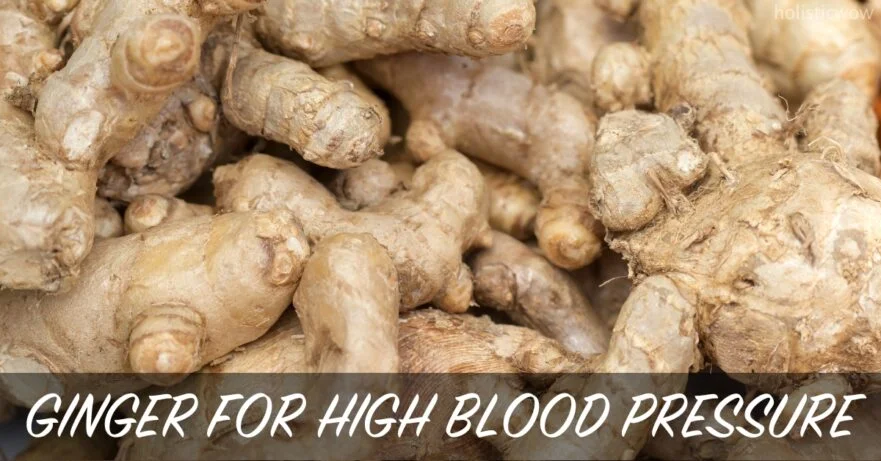
What Are the Benefits of Ginger for High Blood Pressure?
Ginger offers several potential benefits for managing high blood pressure.
Studies suggest that ginger supplementation may help lower both systolic and diastolic blood pressure, with average reductions of about 6.36 mmHg in systolic blood pressure and 2.12 mmHg in diastolic blood pressure, according to a systematic review and meta-analysis of clinical trials.
The health benefits of ginger are linked to its anti-inflammatory and antioxidant properties, which may support overall cardiovascular health and help reduce oxidative stress on blood vessels.
Regular consumption of ginger— particularly in doses of 3 grams or more per day —has been associated, in short-term studies, with reductions in blood pressure, which may make it a useful component of blood pressure management for some individuals.
Key Takeaways
- 🫚 Ginger Can Help Lower Blood Pressure: Daily ginger (3 grams or more) may gently lower both the top (systolic) and bottom (diastolic) numbers in your blood pressure, especially in people under 50 and during short-term use.
- 🩺 Heart and Vessel Health Support: Ginger’s natural anti-inflammatory and antioxidant powers help keep blood vessels healthy and support better circulation, making it a useful herbal ally for your heart.
- ⚠️ Safe Use and Medication Caution: While ginger is safe for most, it may cause mild tummy upset and can interact with blood pressure or blood-thinning medicines, so talk to your doctor before using if you’re on medication or have other health issues.
- 🍵 Easy Herbal Remedies: Making ginger teas or blends with other heart-friendly herbs like hawthorn can offer gentle support for blood pressure, but they should be seen as helpful additions, not replacements, for prescribed therapy.
How Does Ginger Work to Lower Blood Pressure?
Ginger may help lower blood pressure through its natural anti-inflammatory and antioxidant properties, which both protect and relax blood vessel walls.
These effects can support healthier blood vessels and improve circulation, potentially lowering vascular resistance and helping ease the workload on the heart.
By encouraging improved endothelial function, ginger supports overall heart health and can help maintain balanced blood pressure levels.
How Does Ginger Supplementation Affect Blood Pressure?
Ginger supplementation may help lower blood pressure, as suggested by findings from clinical trials and supported by research on hypertension management.
A systematic review of six randomized clinical trials involving 345 participants found that ginger supplementation was associated with significant reductions in both systolic blood pressure and diastolic blood pressure, demonstrating ginger’s potential as an effective adjunct therapy.
By promoting healthy blood pressure levels and supporting vascular health, ginger supplementation can contribute to an overall blood pressure management strategy.
What Is the Efficacy of Ginger in Lowering Systolic and Diastolic Blood Pressure?
Ginger may help lower both systolic and diastolic blood pressure, providing measurable support for individuals with hypertension.
A meta-analysis found an average reduction of 6.36 mmHg in systolic blood pressure and 2.12 mmHg in diastolic blood pressure, suggesting a significant benefit for blood pressure management.
This effect appears to be more noticeable in people who are 50 years old or younger, when the ginger dosage is 3 grams or more per day, and when the intervention lasts 8 weeks or less, highlighting the importance of the right dosage and intervention duration.
Should Ginger Be Considered a Natural Remedy for Hypertension?
Ginger may be considered a natural remedy for hypertension, as evidence from clinical trials suggests it can help with blood pressure management by providing modest but meaningful reductions.
Systematic reviews and meta-analyses indicate that ginger supplementation may lead to modest reductions in blood pressure, making it a potentially helpful option for individuals seeking natural alternatives that support cardiovascular health.
However, while the overall results are encouraging, the effects are generally modest, and more research is needed to determine the most effective dosages, formulations, and long-term safety, as well as to understand the role of ginger in combination with other therapies.
What Are the Recommended Dosages and Duration for Ginger Supplementation?
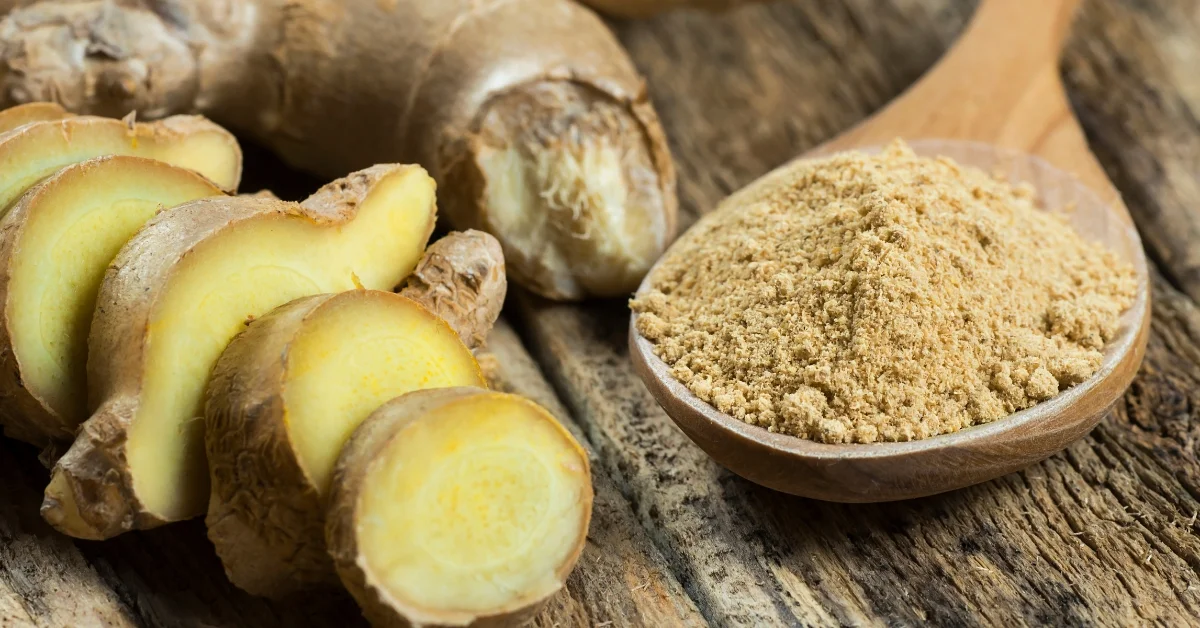
For effective ginger supplementation, a daily ginger dosage of 3 grams or more may help support blood pressure reduction, according to some research that highlights both efficacy and safety for short-term use.
Research suggests that the most noticeable benefits often occur with an intervention duration of up to 8 weeks, which may make shorter courses preferable when testing blood pressure response.
To potentially achieve the best results in managing blood pressure naturally, consider following these recommended guidelines for both dosage and duration, and always keep track of your blood pressure responses during supplementation.
Are There Any Risks or Side Effects of Using Ginger for Blood Pressure Management?
While ginger is generally safe for most people, using it for blood pressure management may cause some side effects, especially at higher dosages.
Some individuals could experience mild gastrointestinal discomfort, such as heartburn or stomach upset, especially when taken in large amounts, as ginger can sometimes irritate the digestive tract.
Consuming more than 4 grams of ginger per day may increase the risk of these side effects, although this amount is higher than what most people typically consume and may affect digestive comfort.
Rarely, allergic reactions can occur, and ginger may increase bleeding risk, especially in people taking anticoagulant medications.
Can Ginger Interact with Blood Pressure Medications?
Ginger may interact with blood pressure medications and affect how these drugs work to control hypertension.
It can potentially enhance the antihypertensive effects of these medications, which might lead to blood pressure dropping too low and could result in symptoms like dizziness or fainting.
Ginger can also interact with anticoagulants (blood thinners), so extra caution is required if you take these drugs, as it could increase bleeding risk and complicate medication management.
What Are the Additional Health Benefits of Ginger?
Ginger offers more than just blood pressure benefits, as it possesses broad anti-inflammatory and antioxidant properties that can support your general well-being.
It may help with nausea relief, support healthy digestion, and could potentially reduce muscle pain and soreness after exercise due to its effects on inflammatory pathways.
In addition, ginger is being studied for its possible role in supporting cardiovascular health and helping manage blood sugar levels, which may benefit people with or at risk for diabetes, while also supporting metabolic health.
Herbal Preparations and Recipes for High Blood Pressure
Herbal remedies can play a supportive role in managing high blood pressure, leveraging the natural properties of herbs such as ginger. Ginger is celebrated for its anti-inflammatory and antioxidant benefits, which can help improve circulation and promote cardiovascular health. The following recipes utilize ginger in combination with other supportive herbs to encourage healthy blood pressure. Always consult a healthcare provider before starting any new herbal regimen, especially if you have existing health conditions or are taking medications.
Ginger Infusion for Blood Pressure Support
Ingredients:
- 1 teaspoon dried ginger root
- 1 cup boiling water
Preparation:
- Place the dried ginger root in a teapot or heatproof container.
- Pour boiling water over the ginger.
- Cover and steep for 10 minutes.
- Strain and drink warm.
Drink 1–2 cups daily for gentle support of blood pressure.
This simple ginger infusion may help improve circulation, support natural blood pressure balance, and provide mild antioxidant benefits.
Warnings: Ginger is generally safe for most adults in moderate amounts but may cause mild digestive upset, heartburn, or interact with blood-thinning medications. Those with gallstones or on anticoagulant therapy should consult their doctor before use.
Ginger and Hawthorn Heart Health Blend
Ingredients:
- 1 teaspoon dried ginger root
- 1 teaspoon dried hawthorn berries
- ½ teaspoon dried dandelion leaf
- ½ teaspoon dried cinnamon
- 1 cup boiling water
Preparation:
- Combine all the dried herbs in a teapot or heatproof container.
- Pour boiling water over the herb blend.
- Cover and steep for 15 minutes.
- Strain and drink warm.
Drink 1 cup once or twice daily to support cardiovascular health and fluid balance.
This herbal blend combines ginger and hawthorn to promote heart health, while dandelion may gently aid fluid balance and cinnamon adds both flavor and potential circulatory support.
Warnings: Use caution if you are taking heart or blood pressure medications, as hawthorn may enhance their effects. Dandelion can increase urination and may alter fluid or electrolyte balance. High amounts of cinnamon, especially cassia cinnamon, can lead to liver concerns—limit intake to these recommended amounts. Ginger may cause mild digestive discomfort or interact with blood thinners. Individuals with underlying medical conditions or those on medication should consult their healthcare provider before use.
These herbal preparations are intended to support healthy blood pressure and should not replace medical therapy. Always seek care from your provider before incorporating new herbs, especially when taking medications or managing ongoing health concerns.